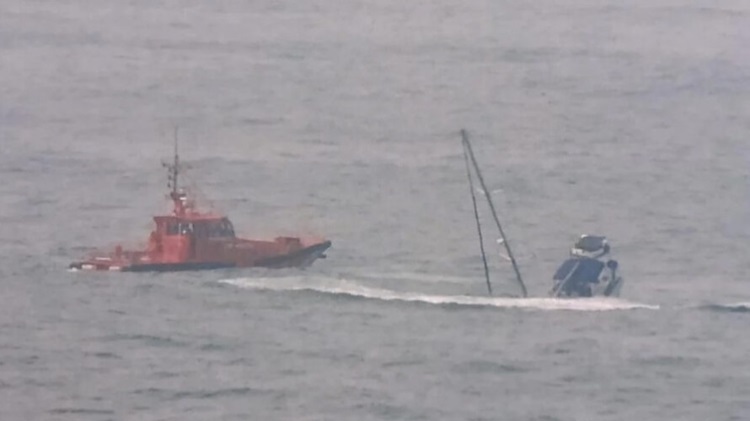
A pod of killer whales sank a yacht off the coast of northwest Spain on July 24, continuing a series of encounters lasting more than 6 years along the Iberian coast.
Theo Live ScienceOn July 24, killer whales (Orcinus orca) destroyed the rudder of a 14-meter-long yacht flying the Swedish flag off the coast of Galicia, Spain, forcing two people on board to send a distress signal. A Spanish coast guard ship brought them to safety. The accident follows several other clashes in the same waters last week, including an incident that caused the Idem recreational ship to sink near the northernmost point of the Iberian peninsula, Estaca de Bares.
Theo Inertia, Idem is the eighth ship to be sunk since organizations monitor accidents caused by killer whales. Atlantic Orca Working Group, a research organization from Spain and Portugal specializing in collecting data on this phenomenon, said scientists have recorded more than 700 interactions between killer whales and ships since 2020, from light pushes to rudder-bashing behavior for hours.
Researchers have determined that in a population of nearly 50 killer whales in Iberia, about 15 are responsible for accidents. This herd is so small that the International Union for Conservation of Nature has listed it as critically endangered due to its reliance on Atlantic bluefin tuna as its food source. The leader of the herd is a killer whale named White Gladis. Initially, researchers hypothesized that White Gladis had had a traumatic accident with a ship, causing it to change its behavior. It was the first member of the herd to start crashing into the rudder.
The Idem yacht sank after a killer whale attack. Photo: Salvamento Maritimo
Alfredo López Fernandez, a biologist with the Atlantic Orca Working Group, said the precautionary behavior resulting from such damage attracted a lot of attention at the time. However, he emphasized that it was not a way of revenge.
Scientists do not know the exact cause of killer whales’ behavior in attacking boats in Iberia. The leading theory is that killer whales belong to a group of highly social animals and learn their habits from each other. Researchers call this social learning behavior, with younger members watching adults destroy the rudder and trying to do the same, then the habit spreads throughout the herd.
A 2022 study in the journal Marine Mammal Science found that killer whales often target sailboats and lose interest after rudder damage stops the vehicle from running. The Maritime Safety and Rescue Association and the Atlantic Orca Working organization recommend that sailors turn off their engines, lower their sails if possible, and disengage their autopilot if they encounter a killer whale approaching.