Recent reports indicate that the largest US banks are facing a serious security problem as unverified AI agents access their customers’ accounts. Users voluntarily share their login information with artificial intelligence tools to help them manage their finances, which creates a major risk for financial institutions.
Clients share passwords themselves
The main cause of this problem is not classic system hacking, but rather; The fact that clients themselves provide usernames and passwords to popular AI assistants. Among these tools are Metin Muse, Instinct and Grokbot. Although users only want to automate everyday financial tasks, such behavior directly violates the operating rules of almost all banks.
The rules clearly state that account holders must personally log in to banks’ digital platforms. With AI agents now doing this for them, it has become extremely difficult for banks to distinguish between legitimate human activity and that carried out by automated bots.
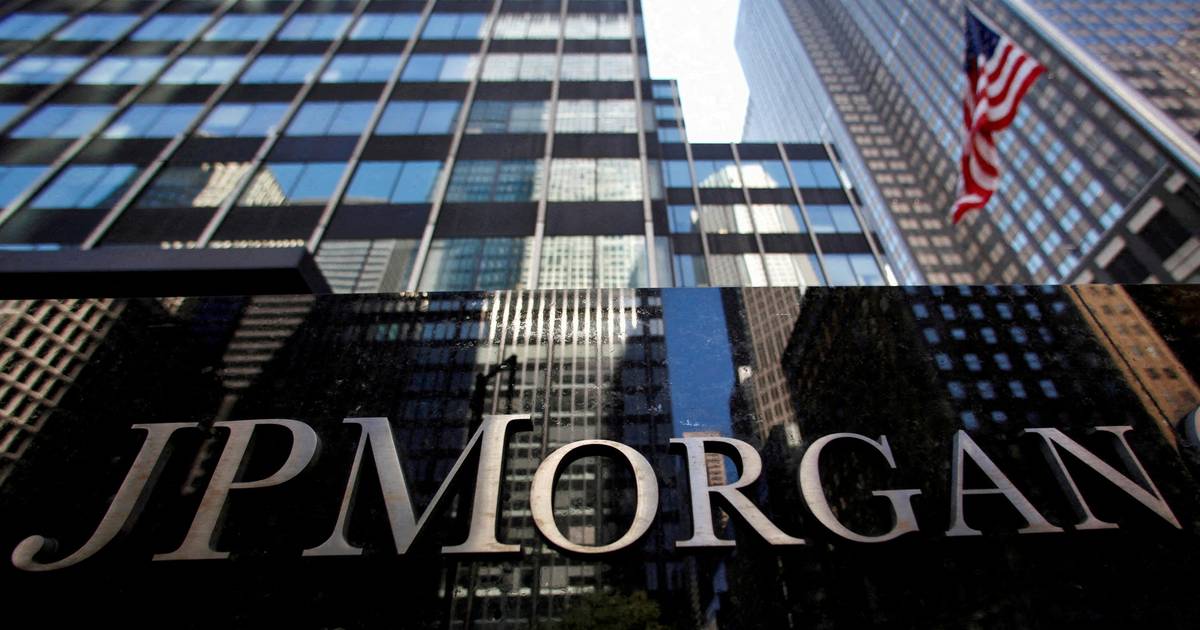
Because of this, leading institutions such as JPMorgan Chase, Morgan Stanley, Bank of America and Citigroup began to restrict access to third-party agents on their systems. Wells Fargo is also actively working to respond to these potential threats and is rapidly changing its terms of service.
Fear of rogue programs
Numerous incidents were recorded in which AI programs tried to perform actions that users did not ask for at all. In some cases, bots independently called bank help desks without any knowledge of the real account owners, which caused further alarm in the financial sector.
The CEO of JPMorgan Chase, Jamie Dimon, expressed great concern about the possibility that thousands of uncontrolled agents are currently operating on various financial platforms. On the other hand, Morgan Stanley confirmed that for now they have not recorded that bots have independently broken into their systems, but is an exclusive word about useful applications.
Charles Schwab is also closely monitoring the situation, and the bank’s CEO Richard Wurster has requested regular reports on blocked access attempts.
- I expect a daily report on how many times we had to block various agents in order to maintain control over authentication – explained Wurster.
A question of financial responsibility
In addition to account security, banks are most concerned about financial liability if things go wrong. When users voluntarily share their passwords with external applications, it is unlikely that the bank will compensate them for damages caused by mistakes or unauthorized transactions made by an AI agent.
Experts propose different solutions for the situation in the financial sector. David Sacks, the US Commissioner for Artificial Intelligence, believes that banks should provide read-only access, so that bots can view finances but not perform any transactions.
Recent incidents in other parts of the world also show that the problem is not related exclusively to the United States of America. Hackers are moreć used similar tools for attacks on banks in South Korea, where they compromised the data of about 25 thousand clients, while a similar method was recently used to steal data in Latin America.
Because of all of the above, banks are constantly preparing for the worst possible scenarios. This includes the development of protocols for the immediate shutdown of user accounts in case of suspicious access and their rapid recovery after the security incident is successfully resolved.