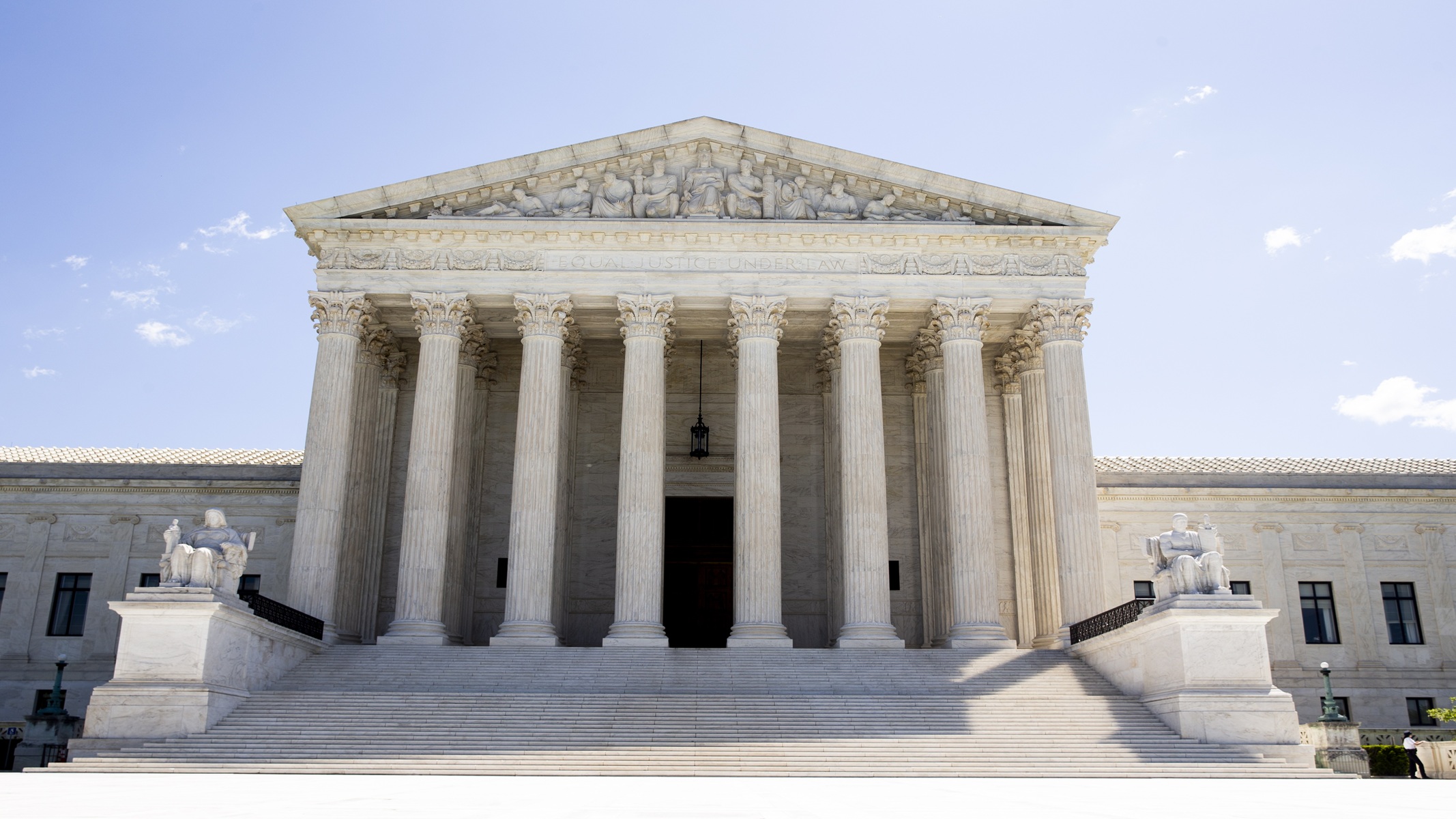
The United States Supreme Court authorized this Friday (25) President Donald Trump’s government to resume the expanded use of federal bases to verify the citizenship of voters registered to vote. The decision suspended an order from a lower court that had restricted data crossing and comes just months before the November mid-term legislative elections.
The measure involves the so-called Systematic Alien Verification for Entitlements (SAVE), a system administered by the Department of Homeland Security (DHS). The program has existed since 1986, but was expanded by the Trump administration to allow state and local officials to conduct mass inquiries to check the status of people registered or trying to register to vote.
This expanded version of SAVE now also cross-references information maintained by the Social Security Administration (SSA), including complete or partial numbers of the Social Securityidentification used in the United States for labor, tax and social security purposes. States and local authorities can send name, date of birth and other data to the system, which compares the information with federal records. When SAVE is unable to confirm a person’s citizenship, the responsible authority may contact the voter and request additional documentation so that they can register or remain registered.
The Supreme Court stated that the arguments presented against sharing the data do not prevail because federal law expressly authorizes DHS to request and receive from other agencies information related to citizenship and immigration status.
The decision was challenged by the three members of the Court’s progressive bloc: Sonia Sotomayor, Elena Kagan and Ketanji Brown Jackson. Jackson argued, in a dissenting opinion joined by the other two judges, that the possible harm to qualified voters outweighs the harm alleged by the government if the system remains blocked. Organizations questioning the policy say federal records may be out of date and, for example, identify as foreigners people who later obtained U.S. citizenship. The system’s overall error rate was not disclosed by the government.
The Trump administration maintains that the mechanism helps states prevent non-citizens from illegally participating in US elections. Voting by foreigners in federal elections is already prohibited by American law. The Trump administration has been expanding investigations and other election oversight initiatives ahead of the November elections.
SAVE had been blocked in June by federal judge Sparkle Sooknanan of Washington. She considered that the reformulation of the database had legal problems and questioned the reliability of the citizenship information used by the government. Earlier this month, a federal appeals court refused, by a vote of two to one, to stay the ruling, prompting the Justice Department to appeal to the Supreme Court.
This Friday’s determination does not yet end the process. The Supreme Court merely suspended the effects of the lower decision while the legal dispute continues, allowing the government to return to using the expanded system during this period.
The expansion of SAVE occurred after a decree signed by Trump in March. The decree ordered the Department of Homeland Security, in coordination with Social Security, to expand the use of federal databases to verify the citizenship of voters and provide this information to state election authorities.
To comply with the decree, the government began incorporating new Social Security data into SAVE and expanded the system’s capacity to carry out mass consultations.