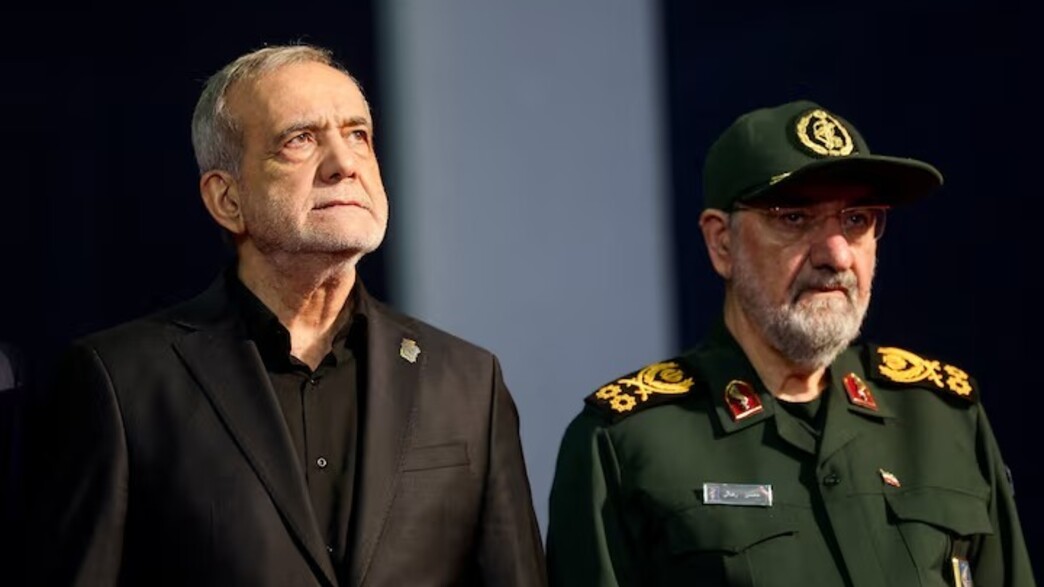
Mohsen Razai, the secretary of the Supreme Council for National Security, revealed the depth of the crisis • In a dramatic statement, which is not typical of a security official, the difficult situation in Iran became clear again • The pressure is increasing among the population: public sector workers announced mass resignations
An unusual statement by one of the most senior security officials in Iran provides a glimpse into the depth of the economic crisis in the country. Mohsen Rezaei, Iran’s national security adviser and the country’s top security official, who often serves as one of Tehran’s strongest and most violent voices, warned that the rapid deterioration of the economic situation has brought Iran into one of the most difficult periods in its history.
Razai said these things during a meeting of senior government officials on Saturday, which dealt with ways to stabilize the economy, after more than seven months of war. The very public admission of the difficult situation is considered abnormal, especially when it comes from such a senior security official, who are usually not overly concerned with the economic situation and the situation of the citizens.
According to the state-run Iranian news agency IRNA, Razai described the current circumstances as “one of the most difficult times the country has faced.” Iran’s state media did not publish additional direct quotes from his words, but it was reported that he said at the meeting that Iran’s National Security Council “will provide all the assistance it can.”
The economic crisis in Iran has sharply worsened since the beginning of the war at the end of February. Since then the value of the Iranian real has deteriorated greatly, and in recent weeks the rate of decline has accelerated due to the worsening of the sanctions on the part of the United States and the enforcement of a naval blockade. The Iranian currency has already reached a level of more than 2.5 million Rials to one US dollar.
The weakening of the currency made imports more expensive and deepened the cost of living crisis, which had been going on for a long time. The US naval blockade prevents Iran from exporting oil dramatically. This harmed the country’s main source of income, and at the same time a fuel crisis developed.
The difficulties are already felt among employees in the public and private sectors. In recent days, employees, including nurses and teachers, published messages on social networks in which they announced that they were leaving their jobs because their salary was no longer enough to support them. Local media in Iran also reported that public sector pensioners have held protests in recent weeks after they claimed they did not receive their full pension payments.
The government meeting in which Razai participated was also attended by President Massoud Pazkhian, along with other senior Iranian ministers. Pazkhian also admitted on Saturday that the economic situation has worsened. In a message he published on social media, he said that the government had “adopted a new approach to the management of the special conditions”, but did not specify how this would manifest itself in practice.
Added to the crisis was a shock at the top of the energy sector. Oil Minister Mohsen Pakhanjad, who said in July that Iran would continue to export oil despite the American sanctions, resigned yesterday. President Pazkhian’s spokesman, Seyed Mehdi Tabatbai, announced that Hamid Bovard, CEO of the National Oil Company of Iran, will serve as his temporary replacement. Iran insists that the oil minister’s resignation is solely related to “personal reasons”, and makes it clear that it has nothing to do with the difficult situation of the energy economy.
However, the price of oil is still higher than it was before the outbreak of the conflict, and experts warn that the crisis for the global economy is still far from being resolved. Navigation in the strait remains dangerous, and the damage caused to energy infrastructure has affected refining capacity and the export of natural gas.
The leadership of Iran continues to hope that the economic pressure and the increase in energy prices will hurt President Donald Trump ahead of the mid-term elections in the United States.