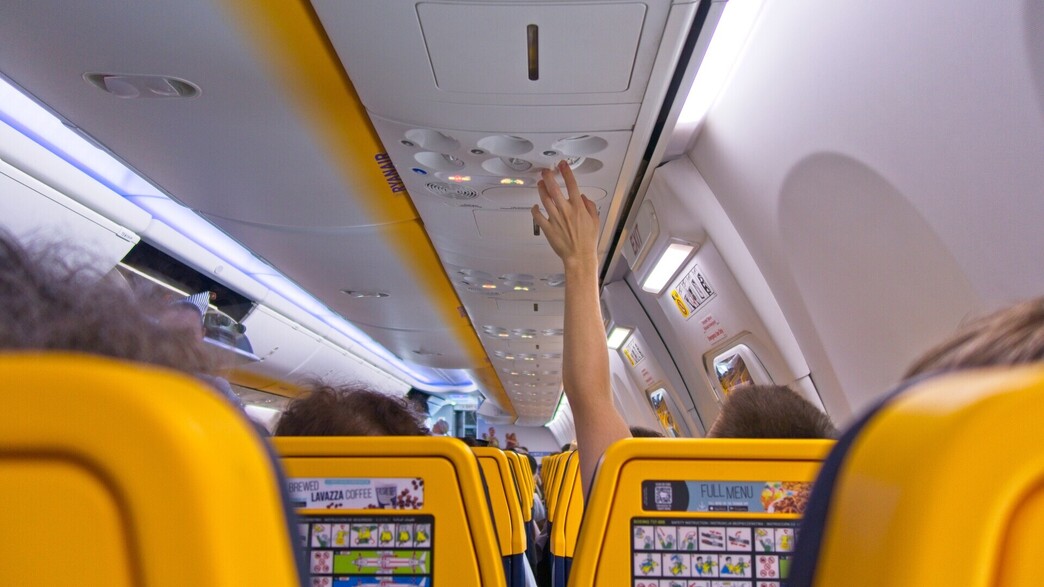
For most passengers, the small button above the seat, the one with a picture of a flight attendant or a lighted bell next to it, feels like a completely simple matter: an easy way to order another glass of water, ask for headphones or call the flight attendant to take the trash from the tray. But those who meet these pressures from the other side, the aircrews in the aisles, often experience these alerts with quite a bit of frustration and unnecessary stress.
The flight culture of recent years has indeed accustomed us to treat flight attendants as service providers in the style of “waiters in the air”, but the original purpose of the call button, together with the strict safety procedures in the sky, tells a completely different story.
Emergency button, not a bell to call for service
Originally, the call button was designed and built first and foremost as a safety warning tool. Officials in the aviation industry, flight attendants and heads of professional unions agree on one key point: this system is designed to provide an initial response to medical conditions, safety hazards or incidents that require urgent help.
When the call bell rings repeatedly, the first thought in the airplane galley is not that someone is thirsty, but that an emergency is currently occurring in the cabin. Sarah Nelson, president of the International Flight Attendants Association, previously emphasized that the button is intended primarily for emergency situations. Whether a passenger experiences a sudden heart attack, a passenger is about to give birth mid-flight, or someone detects an unusual technical malfunction, the button is a direct communication channel in moments when every second counts.
Beyond emergency situations, the system also has simple communication functions. The flight attendants sometimes ask the passengers to turn on the reading light to identify the location of a certain person in the crowded cabin, such as children flying unaccompanied, passengers who need special assistance getting off the plane, or passengers who respond to a specific message on the announcement.
The code of those sitting by the window
Although emergencies are the main reason for the button’s existence, the flight attendants admit that there are situations that are not life-threatening and still warrant pressing. The most accepted exception among teams around the world is related to your seating position on the plane. Passengers who sit in a window seat and find themselves blocked by passengers sleeping next to them are fully understood by the crew. For a passenger who is stuck in his seat, trying to get up and out over sleeping people can create discomfort, and for that reason, turning on the reading light to ask for water or assistance in this case is considered acceptable and perfectly reasonable behavior. Likewise, passengers flying alone with infants or passengers with mobility difficulties are encouraged to use the system when exiting the aisle independently is simply not practical or safe.
The safety procedures and the sensitive phases of the flight
Where the incorrect use of the button turns from a matter of courtesy into a real safety hazard is during the critical phases of flight. The international aviation regulations and the rules of the Federal Aviation Authority (FAA) state unequivocally: the flight attendants must be belted in their seats while traveling on the runway, takeoff, landing and during air turbulence. These rules are enforced to protect crew members from sudden movements and injuries.
Pressing the call bell without an emergency during these sensitive times puts the staff in a difficult dilemma. A ringing during take-off or in heavy air turbulence forces the flight attendants to guess if a passenger is in medical distress or if it is merely a routine service request. Flight attendants note that hearing the bell at these stages almost always indicates a lack of understanding of the safety procedures, often requiring them to use the public address system to remind everyone that service is currently suspended.
Cultural differences: from “self-service” to sales commissions
The attitude towards the button also varies greatly depending on the culture of the airline, the region of the world and its business model. In traditional European and North American airlines, the crews often work in a “self-service” approach during hours when there is no regular service. The flight attendants in these companies prefer that passengers who can stand up simply walk towards the kitchen to freshen up, get a glass of water or throw out the trash themselves. On the other hand, in some airlines in the Far East and the Middle East, a continuous response to the call bells is part of the concept of the premium service, and the crew is prepared to receive many calls during the flight. At the same time, in low-cost companies, pressing the button outside the distribution times is a sales opportunity, where the stewards earn commissions for selling food and products, and therefore will be very happy to receive your request.
The elbow that drives the kitchen crazy
A large part of the nerves around the button generally comes from a problematic physical location on the plane. In many Boeing models, the readout button is located right on the armrest or built into the remote control or media screen. Passengers bump into it again and again accidentally with their elbow or hip, which sends the flight attendants pacing the entire length of the plane. Besides, even small children see the overhead lights as a kind of toy that they just have to click on.
To avoid unpleasantness, aviation behavior experts suggest performing a short and simple self-check just before raising your hand: Is this an urgent request that I really can’t handle on my own? When the seat belt switch is off, a short walk to the galley to ask for water or throw out the trash will not only be appreciated by the crew, but also good for your circulation on long flights. Except in cases of sitting in a window seat, assisting small children, or a true medical event, the off button ensures that when that bell does ring, the crew will immediately know it’s something that really needs their full attention.