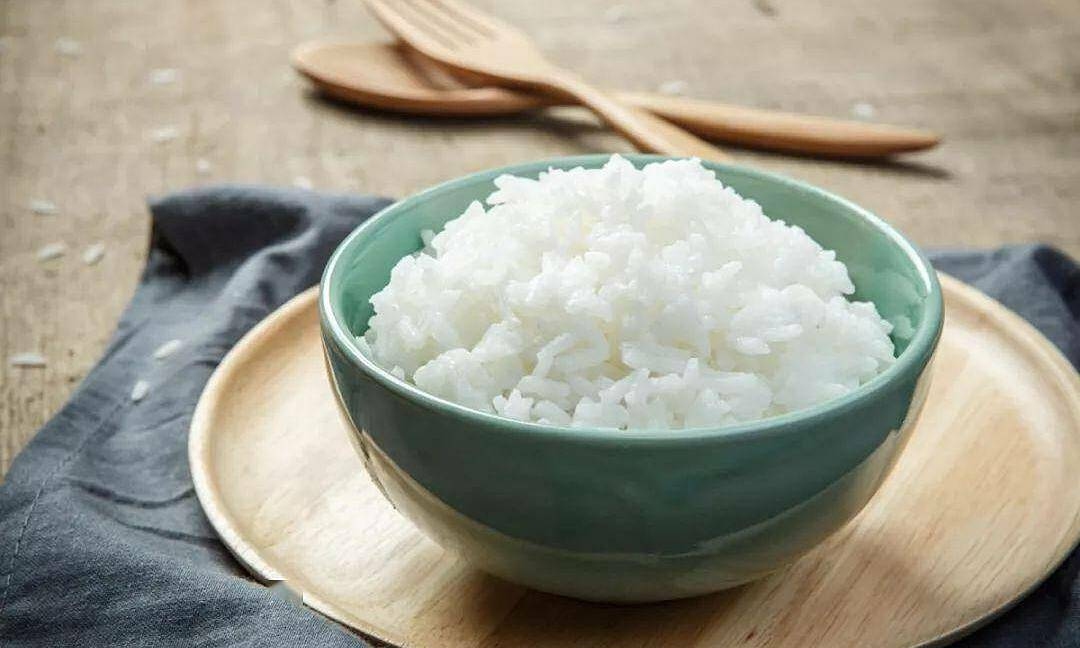
Thanks to its resistant starch content, cold rice not only helps stabilize blood sugar and blood fat but also supports weight loss and effectively protects the intestines according to the advice of a nutritionist.
Eating cold rice brings positive health effects thanks to the presence of resistant starch, according to the above post Guangming Daily Expertly evaluated by Dr. Wang Lei, Department of Nutrition, First Hospital of Zhejiang University of Medicine. Compared to hot rice, cooled rice better supports weight loss, improves sugar and lipid metabolism, controls blood sugar after meals, and also supports the treatment of fatty liver and protects intestinal health.
This is because when the rice cools, some of the cooked starch will be converted back into a raw starch state, called “starch degradation” to create resistant starch. This type of starch digests extremely slowly and is almost not absorbed when passing through the stomach or small intestine but acts similar to a natural fiber. When they reach the colon, they become a valuable source of nutrients for beneficial microorganisms here. Therefore, regularly supplementing foods rich in resistant starch will bring great health benefits.
Studies show that even when reheated, the amount of resistant starch in cold rice is still higher than in rice that has just been cooked for the first time thanks to its sustainable structure. However, groups of people with poor digestive systems, stomach diseases or too thin bodies should limit the application of this method. When using cold rice, be sure to store it in a sealed container in the refrigerator and do not leave it for too long to avoid infection with Listeria or Bacillus cereus.
Illustration photo: Swamp
Besides cold rice, many other starchy foods such as dumplings, bread, potatoes, sweet potatoes, corn and beans after processing and cooling also produce resistant starch. Additionally, ripe bananas and konjac seeds are perfect alternatives. Bananas contain naturally high levels of resistant starch, while amorphophallus seeds are rich in soluble fiber that helps increase feelings of fullness and is good for diabetics or people with constipation.
Besides choosing foods, eating order also plays a key role in controlling blood sugar. The ideal routine for most people, especially those who are overweight or have diabetes, should start with a bowl of clear or warm water, then green vegetables, followed by protein-rich foods like meat, fish, tofu, and finally starches. Combining whole grains when cooking rice also brings outstanding results. Rice cooked with millet helps stabilize blood sugar and balance nutrition; Brown rice helps prevent constipation and colorectal cancer, while oat rice contains beta-glucan that helps reduce bad cholesterol and slows the rise in blood sugar after meals.
To effectively control blood sugar, people should flexibly combine the addition of resistant starch, change the order of main meals and prioritize raw grains instead of just using refined white rice. This is a scientific nutritional roadmap that not only helps stabilize blood sugar levels but also comprehensively improves metabolic health.
https://www.callupcontact.com/b/businessprofile/wishwin/10067843
https://www.flowgrow.de/members/wishwin.26356/
https://iszene.com/user-349161.html
https://forum-raspberrypi.de/user/72649-wishwin/
https://www.play3.de/forum/index.php?/profile/76114-wishwin/&tab=field_core_pfield_1
https://www.hausaufgaben-forum.net/user/17256-wishwin/
https://forum.norbrygg.no/members/wishwin.151018/
https://www.prad.de/board/core/user/80692-wishwinn/
https://www.heimkinoverein.de/user/9221-wishwinn/
http://www.bau-treff.de/forum/profile.php?mode=viewprofile&u=2276
https://letsplayforum.de/user/58656-wishwinn/
https://www.niu-frankfurt.de/profile/olexandr01086757/profile
https://forum.tomedo.de/index.php/user/wishwinbonus
https://www.overclockers.at/user/wishwinn
https://www.schwalbennest.de/user/47293-wishwinn/
https://www.szene1.at/user/wishwin
https://www.lehrerforen.de/wcf/user/34092-wishwinn/
https://sportforen.de/members/wishwin.20243/
https://www.roboterforum.de/user/46762-wishwin/
https://www.emultipoetry.eu/en/user/wishwin
https://www.pagodentreff.de/diskussionsforum/members/wishwinn.14846/
https://www.moderne-wellness.de/forum/user/6030-wishwin/
https://www.lotus-simulator.de/index.php?user/6142-wishwin/
https://buddhaland.de/user/14330-wishwin/
https://vrforum.de/members/wishwin.21153/