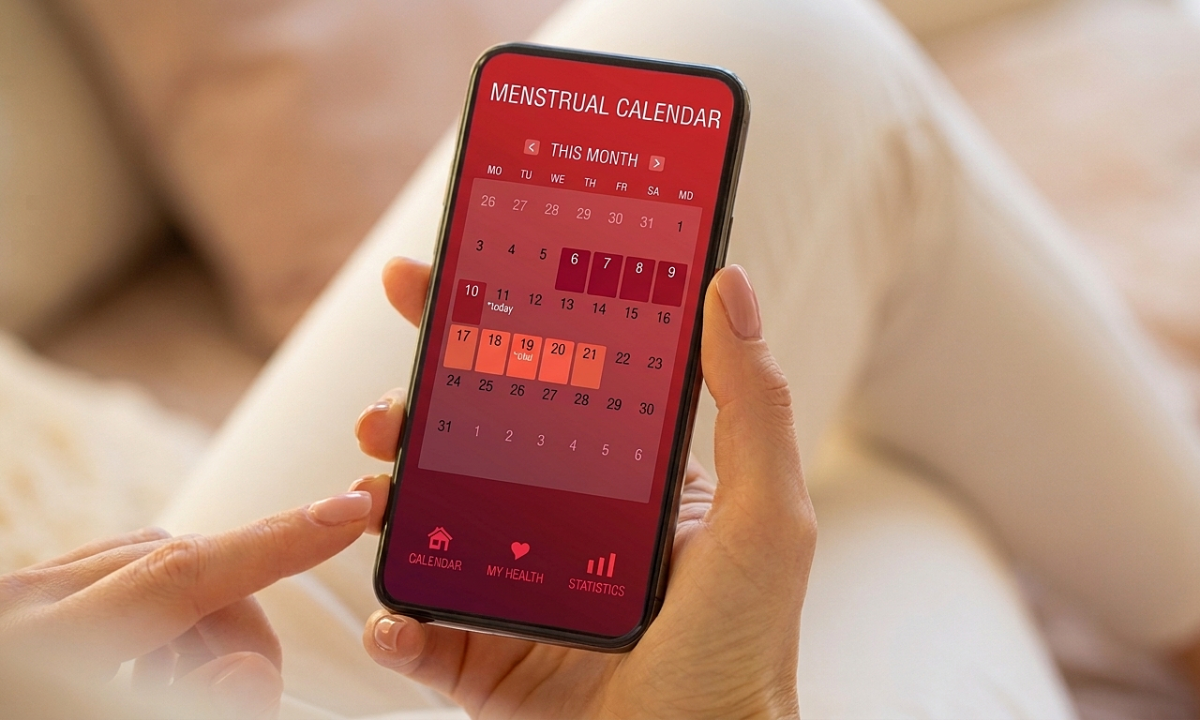
Regular menstrual cycles indicate stable hormones, while menorrhagia or amenorrhea can be related to polycystic ovary syndrome or thyroid disease.
The menstrual cycle is a rhythmic coordination between many organs, tissues, cells and hormones in the body. In healthy women, the menstrual cycle repeats every 21-35 days, and the menstrual period lasts 3-7 days. Menstruation begins at puberty, usually between 9-15 years old, and lasts until menopause, commonly at age 50-55.
Pharmacist Do Xuan Hoa, Medical Information Center, Tam Anh General Hospital, Ho Chi Minh City, recommends that women should not ignore unusual changes in the cycle, menstrual blood flow or symptoms during menstruation.
Symptoms of severe menstrual cramps, heavy bleeding requiring constant changing of sanitary napkins within 2-3 hours, large blood clots, menstrual periods lasting more than 7 days… may be related to endometriosis, thyroid disorders… On the contrary, oligomenorrhea (very little menstrual blood flow or menstrual period less than 2 days) is often related to uterine adhesions, polycystic ovary syndrome, premature ovarian function decline.
The brain-pituitary-ovarian axis is the place that regulates endocrine activities and the menstrual cycle. Image: Eco Pharmaceutical Joint Stock Company
The absence of menstruation (amenorrhea) for a long time is often related to eating disorders, rapid weight loss, malnutrition, prolonged stress… These factors change the function of the brain area that controls hormones that regulate the menstrual cycle.
The menstrual cycle also reflects women’s fertility. Oligomenorrhea and amenorrhea are often related to endocrine disorders, ovulation disorders and ovarian failure. These are all causes that can affect women’s ability to conceive naturally, accounting for about 25% of infertility cases, according to pharmacist Hoa.
Tracking your monthly menstrual cycle helps identify health abnormalities early. Photos are generated by AI
Menstrual disorders are a common condition in the premenopausal – menopausal period, when the function of the brain – pituitary – ovarian system begins to decline. If menstrual disorders are monitored and intervened promptly, it is possible to prevent this condition from occurring early and alleviate unpleasant symptoms. Women should not arbitrarily supplement estrogen alone or hormone replacement therapy without a doctor’s prescription to avoid increasing the risk of cancer, cardiovascular disease…
Women need to establish a healthy lifestyle, exercise appropriate to their physical condition, get enough sleep, and control stress. Each person maintains scientific nutrition with lots of green vegetables and fruits, limiting bad fats, sugar, protein, salt, stimulants…
Women can take care of the activity of the brain-pituitary-ovary axis with some herbs such as lepidium meyenii to support hormonal balance, slow down and improve menstrual disorders. Observing changes in the menstrual cycle helps women detect unusual problems early, if any.
https://merkurbets.de.com/
https://merkurbets.eu.com/
https://merkurbet.bet/
https://nordicbet.eu.com/
https://nordicbet1.com/
https://nordicbet7.com/
https://nordicbets.org/
https://yukongold-casino.sk/
https://zodiaccasinos.si/
https://yukongoldcasino-si.net/
https://yukongoldcasino-si.org/
https://yukon-gold-casino.si/
https://yukon-gold.si/
https://yukongoldcasino-si.com/
https://unibebe.eu.com/
https://bet777.org.es/
https://bet777-es.com.es/
https://bet777es.es/
https://bet777es.eu.com/
https://bet777s.eu.com/
https://qbets.uk.com/
https://swisscasino-ch.ch/
https://swisscasinos.eu.com/
https://swisscasinoch.ch/
https://swisscasino-ch.com/