Deceptive packages are a major nuisance for many consumers. The government has declared war on them by law. Still, the problem doesn’t seem to have gone away. Many producers continue to use tactics that consumer potentially deceiving.
A test of the Chamber of Labor (AK) Upper Austria recently revealed that some detergent manufacturers rely heavily on deceptive packaging. This was the case with products from well-known brands Parsley and Omo Up to 43 percent of the packaging box is filled with air. The high proportion of air cannot be seen from the outside. A practice that, although permitted, is misleading for many consumers, according to consumer advocates AK.
German court sees deception caused by shrunken Milka bars
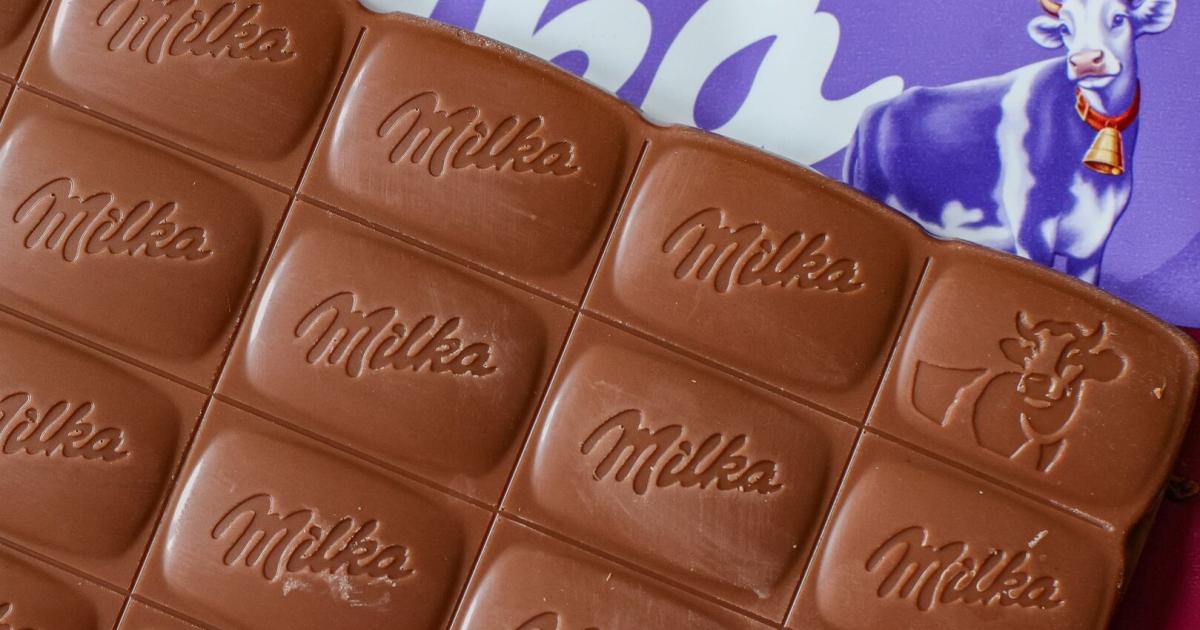
This also recently decided on another case of deceptive packaging Bremen Regional Court in neighboring Germany. Milka-Manufacturer Mondelezwhich has been repeated in the past because of the so-called Shrinkflation was criticized for having reduced the weight of many of its chocolate bars from 100 to 90 grams. The packaging was hardly changed.
The court saw this as a violation of the Competition law. Mondelez is not allowed to market the 90 gram pack if the 100 gram pack was on sale in the previous four months. The verdict is not final, but Mondelez can still appeal against it.
According to the court, the verdict has no concrete consequences, as the four months have passed since the changeover Pack size are already over. However, the judgment has significance for future cases because there is a risk of repetition.
Increased controls in local supermarkets and drugstores
In Austria, retailers have been legally required to label products affected by shrinkflation since the beginning of April. They are controlled by the local authorities. That is in the federal capital Vienna market office responsible. This has been the case since the entry into force of the “Anti-Deceptive Packaging Act” increases inspections.
There have been around 600 checks since then. Not a single violation of the new law was uncovered, according to market office spokespersons Alexander Hengl the KURIER reports.
That was no surprise: “It was very clear that in April no major manufacturer would reduce the size of their packs so that nothing had to be labeled,” says Hengl. We also want to take a close look at the market office in the future. The controls will be randomly carried out, we look particularly closely at products that are often affected by shrinkflation – for example Potato chips, sweets or Perfumes.
However, compliance with the law should not only work through the threat of punishment. The market office also relies on information, for example Information events in advance of the law coming into force.
https://www.planetarioviaggi.it/firenze-autentica-tra-vino-tradizione-e-atmosfere-toscane/
https://kazakh.pinup-casino.co.com/oficialniy-sayt/
https://kazakh.pinup-casino.co.com/
https://halalguide.kz/
https://batchgeo.com/map/1c52b1aaaffc3b5fb35c9be6f59ad316
https://pinupresmi.org/
https://maddenscasualgourmet.com/
https://pinup-az.it.com/
https://az.pinup-az.it.com/
https://pin-up-online-casino-az.org/
https://wildcrabus.com/
https://baku.pinup-az.it.com/
https://baku.pinup-az.it.com/pinup-azerbaijan/
https://doredo.pl
https://www.halalcertified.fr
https://nolimitsnutrition.ca
https://www.tiktok.com/@gry_geograficzne_pl
https://matchfactoryfreecoins.weebly.com
https://aetherhub.com/Tourney/ViewLeague/23858
https://bio.site/matchfactoryfreecoins
https://devpost.com/freematchfactorycoins
https://tawk.to/matchfactoryfreecoins
https://issuu.com/freematchfactorycoins
https://www.facebook.com/events/1419220226335691
https://flipbooklets.com/pdfflipbooklets/matchfactoryfreecoins