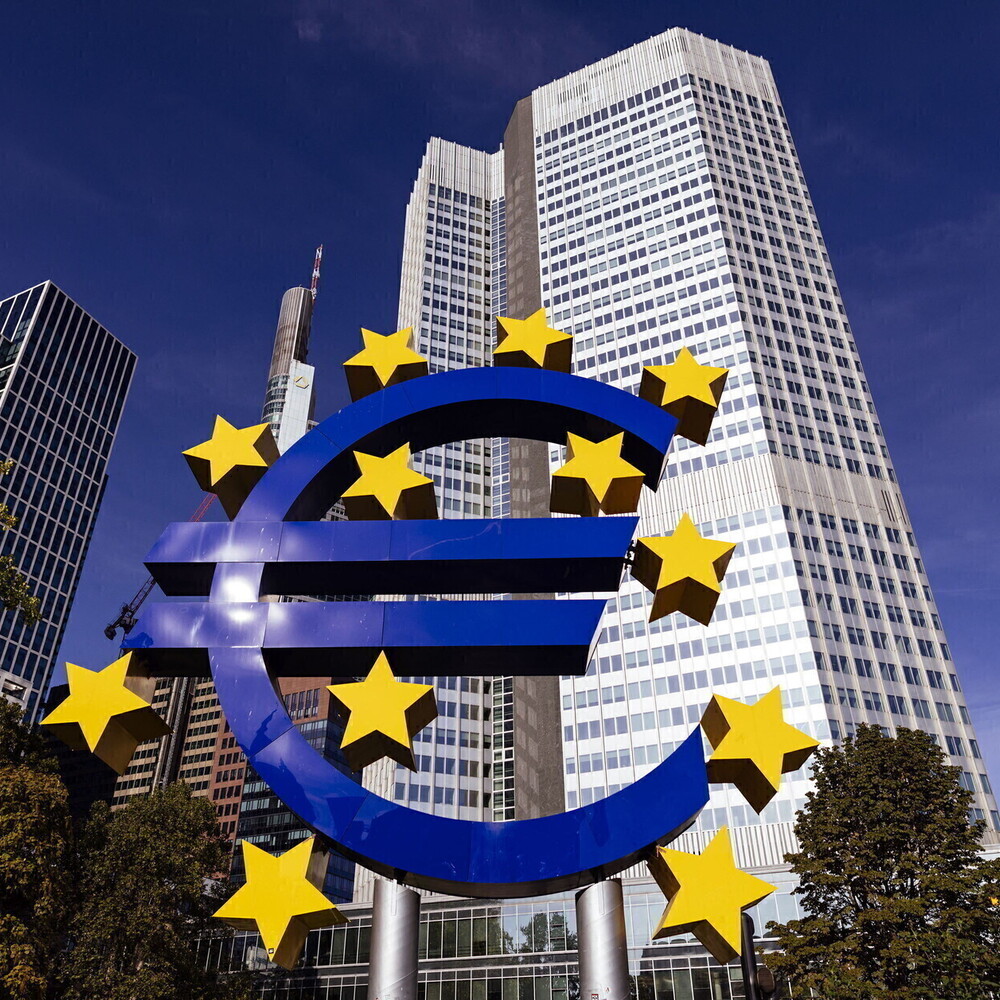
It now seems certain that the Bce next week, precisely onJune 11thwill decide to increase i rates of interest dello 0,25% bringing them to 2,25%,it would be the first time in almost three years. The price pressures unleashed by war in Iranbecause of oil pricesthey made theinflation in the Eurozone al 3,2% in May, at the top since September 2023 and the ECB wants to take action. Furthermore, it is the third consecutive month in which price growth exceeded the medium-term objective of 2%. Only theenergy it cost the 10,9% more than a year ago, up slightly from 10.8% in April.
Analysts’ thoughts on the ECB’s moves
Second Claus Visteseneconomist at the consultancy firm Pantheon Macroeconomicsasked by FTthe inflation data “will be more than enough to justify a rate increase by the ECB next week”. Even thecore inflationwhich excludes volatile food and energy prices, increased by 0.3 percentage points al 2,5%slightly higher than the 2.4% expected by analysts and the highest level in more than a year. This acceleration in core inflation is even “more worrying” than the increase in overall inflation, he stressed to FT Francesco PesoleFX Strategist at ING. This “reinforces the need to maintain a restrictive stance”, he added.
The “hawks” of the ECB
I ‘hawks’ inside the steering Committeeincluding the chief economist of the BCE Philip Lane and the member of the executive committee Isabel Schnabelhave prepared the ground for a probable one in recent weeks increase in interest rates warning that the others oil prices they were fueling inflation. After the publication of the data that proved them right, according to operators, the percentage possibility that the ECB will raise rates to 2,25% is al 95%.
Not an easy decision
However, it would not be a decision taken lightly because according to analysts the ECB is facing one stagflationary shock. That is to say, that particular situation in which while inflation is running, at the same time (in this case due to the war) theeconomic activity undergoes a slowdown. And typically, when the recovery weakens, the central banks they are reluctant to raise rates because doing so could depress the economy even more.
According to analysts, however, this is not the case as the Manufacturing PMI has held up so far, despite the deceleration in May. Even if the consumptionthe prospects for families are not encouraging and the job market is just a breath away from its historic low, in short, these indicators have not weakened enough for the ECB to postpone a rate increase in the face of greater inflationary pressure.
Comparison with other central banks
But observers also point out that the increase in rates of a quarter of a point it does not necessarily mean that a phase has been started monetary tightening. The potential costs of a quarter point increase from the current level of 2% are minimal: unlike the Federal Reserve or of Bank of Englandthe ECB is in one neutral position and a small increase would still keep it within its range neutral range. The increase would instead only be aimed at dampening the inflation expectationswaiting to understand how it will evolve geopolitical situation. In short, the mood of the meeting on 11 June will be that of prudenceas Bulgarian central bank governor Dimitar Radev summed it up: “The cost of acting too late may exceed the cost of acting a little early.”