The United Arab Emirates is not the largest country in the Persian Gulf, but in several areas it is a distinct regional leader. One of the most prominent of these is civil nuclear power: the Emirates is the only country among the GCC (Gulf Cooperation Council) that produces electricity from nuclear energy.
The power plant in Rakha, established by the Koreans for the United Arab Emirates in Abu Dhabi, produces about 5.6 gigawatts from four units.
The project is based on Agreement 123 signed between the Emirates and the US in 2009, and is defined as the “gold standard” under which Abu Dhabi undertook not to enrich uranium or process plutonium on its territory, as well as to accept strict inspection requirements from the International Atomic Energy Agency (IAEA).
Over the years, the emirates kept the agreement strictly, and at the same time closely monitored the rapprochement between US President Donald Trump and Saudi Arabia – until he agreed to give Riyadh a civilian nuclear program.
The silence from Abu Dhabi was no accident: the 2009 agreement contained a clause that allows the Emirates to demand renewed negotiations if another country in the region accepts more favorable terms. According to the AGBI website, the United Arab Emirates is already considering the expansion of its nuclear capabilities, relying on the existing relationship with South Korea in general and with the Hyundai Corporation in particular.
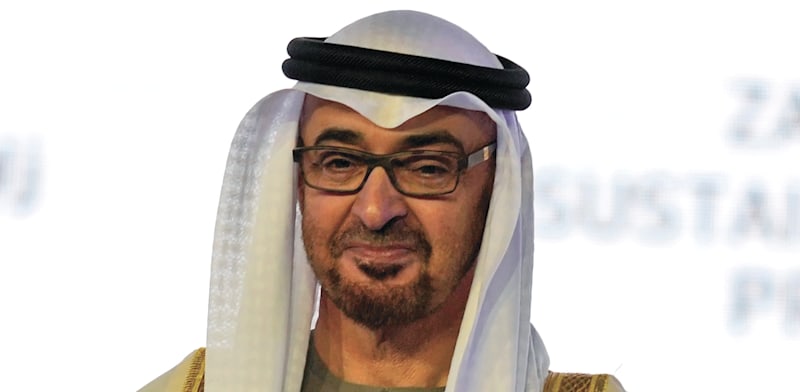
If the Saudi nuclear breakthrough goes ahead, the Emirati-Korean nuclear relationship could accelerate a regional nuclear race—one that will also be fueled by the ongoing competition between UAE President Mohammed bin Zayed and Saudi Crown Prince Mohammed bin Salman.
But it should be remembered that the civil nuclear agreement between Saudi Arabia and the US is dependent and conditional on Saudi joining the Abraham Accords, as President Trump announced last week. If this is not approved, Saudi Arabia may turn to Pakistan or China in order to build a nuclear power plant.
For your attention: The Globes system strives for a diverse, relevant and respectful discourse in accordance with the code of ethics that appears in the trust report according to which we operate. Expressions of violence, racism, incitement or any other inappropriate discourse are filtered out automatically and will not be published on the site.