Vibrant consumption and investment in AI helped US GDP in the third quarter increase stronger than economists’ expectations.
On October 29, the US Department of Commerce announced that the country’s GDP increased by 3.4% in the third quarter. This speed is higher than economists’ forecasts in our survey Reuters is 3.2%. Consumption remains vibrant and corporate AI-related investments have offset the impact of rising oil prices due to conflict in the Middle East.
However, the strong growth rate contrasts with households’ pessimism about the economy. This is reflected in President Donald Trump’s record low approval rating and plummeting consumer confidence. The GDP report was released less than a week before the midterm elections in the US, which will determine which party has control of Congress.
The economy is growing at a rate much higher than the 2% rate that some Federal Reserve officials consider non-inflationary. On Wednesday, the Fed kept the reference interest rate unchanged in the range of 3.75-4%, while admitting that inflation “remains high”.
Economists predict the Fed will raise interest rates in December. Fed Chairman Kevin Warsh told reporters that “economic activity is growing strongly.” He emphasized that “although instability remains, partly due to geopolitical fluctuations, domestic spending is still vibrant”.
Still, as AI-related spending increasingly dominates, some economists say the strong growth may not reflect the true economic picture. Investors are increasingly paying attention to the high costs of long-term AI projects while investment effectiveness is still uncertain. Technology companies have borrowed huge amounts of money over the past year to spend on AI, potentially causing a decline in device spending.
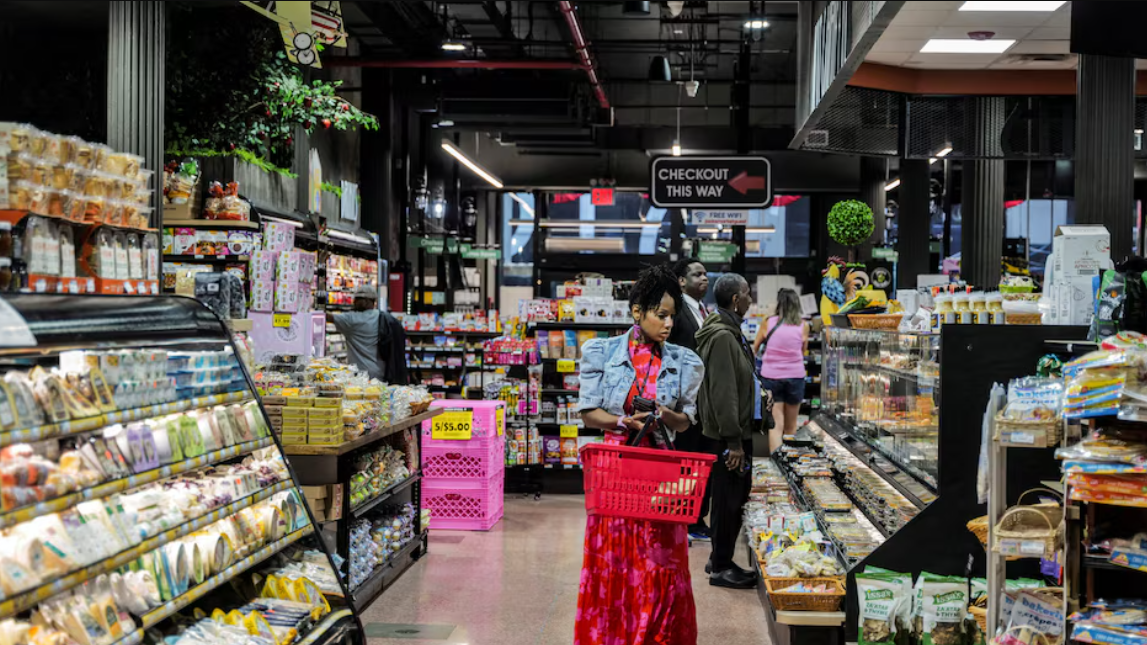
Consumption, which contributes more than two-thirds of GDP, increased by 3.8% in the third quarter, equivalent to the previous quarter. Record low layoffs and moderate hiring are helping to support spending, although wage growth has at times failed to keep up with inflation.
However, households are also saving less and using accumulated money to cover expenses. As average gasoline prices remain above $4 a gallon ($1.06 a liter) amid the lingering Middle East conflict, economists predict consumption will slow.