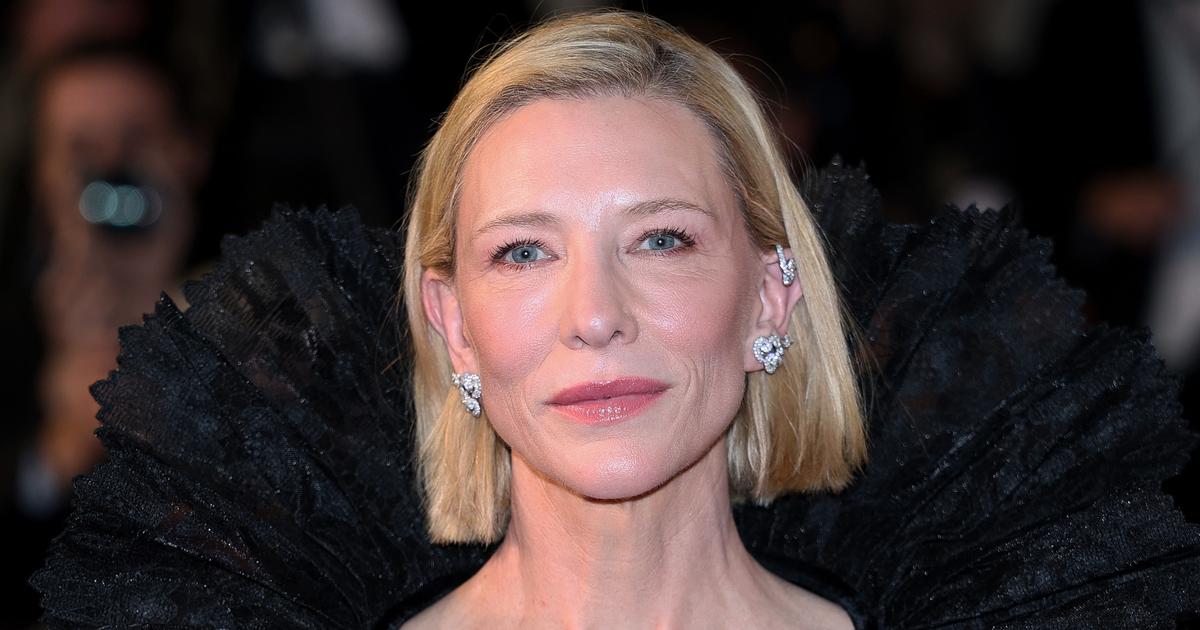
During a round table at the 2026 Cannes Film Festival, the Australian actress denounced the persistent inequalities between genders in cinema and noted the decline in feminist demands.
On the Croisette, Cate Blanchett once again defended the words of women and regretted the decline of the #MeToo movement. During a round table moderated by Didier Allouch, the actress of Carol (2015) deplored the rapid suffocation, according to her, of the #MeToo movement.
The 57-year-old actress highlighted the persistent imbalance between men and women in cinema. “I count up every morning on my shoots: ten women for seventy-five men. I like men, but the jokes stay the same, and end up getting boring”she confided. According to her, #MeToo has freed up speech.
Skip the ad
“Many influential people can now safely speak out and share their experiences, while anonymous women continue to use the hashtag #MeToo. Why is this speech censored? » she asked. Before adding: “This movement has exposed a system of abuse, not only in this sector, but in all sectors. If we suppress this problem, we cannot move forward”.
Double Oscar winner and winner of three Golden Globes, Cate Blanchett had already made her mark at the Cannes Film Festival in 2018 when she chaired the jury. She participated in a march for parity on the steps of the Palace, alongside Kristen Stewart, Léa Seydoux, Ava DuVernay and Agnès Varda.
Other voices testify
Other actresses also spoke on the Croisette. Julianne Moore denounced the persistence of gender inequalities: “I remember a recent shoot where the only women there were me and the third camera assistant. »
Scarlett Johansson, the most profitable actress in Hollywood, for her part, was the guest of the show CBS News Sunday Morning, last April and recalled a time when “the physical appearance of women largely took precedence”. She spoke of much rarer roles and opportunities for younger actresses, which she described as years “really difficult”.
https://gizbocasinos.lv/
https://golden-star-no.com/
https://goldenstar-no.com/
https://golden-star.eu.com/
https://golden-tiger-casino.eu.com/
https://goldentiger-casino.eu.com/
https://goldentigercasino.eu.com/
https://goldentiger-sk.com/
https://goldentigercasino.sk/
https://goldspin-casino.eu.com/
https://goldspincasino-no.com/
https://goldspincasino.eu.com/
https://happy-casino-no.com/
https://happycasino-no.com/
https://happycasino-no.org/
https://happycasino.eu.com/
https://happy-spins.org/
https://happyspins-no.org/
https://happyspins.eu.com/
https://highroller-casino.eu.com/
https://highrollercasino-no.eu.com/
https://highrollercasino-no.org/
https://22bet-pl.pl/bonusy/
https://22bet-pl.pl/bonusy/bonus-powitalny/
https://22bet-pl.pl/bonusy/bez-depozytu/