In Sweden we are planning to introduce our own museum card. Help for the project has been received from Finland.
In addition to Finland, the museum card, which is valid as an admission ticket to numerous different museums, is used in four European countries. The Netherlands was the first to use it already in 1981.
Switzerland, Belgium and Estonia also have a largely similar card system.
Behind the Swedish museum card project is the changing line of the government. First, in 2015, the country’s government, led by the Social Democrats, made all state museums free to the public thanks to state funding, but the next government, led by a moderate coalition, returned the entrance fees from the beginning of 2023.
The political change in direction made it difficult to plan the operations of museums, and they wanted to find a solution to the situation that could increase the number of museum visits. An example was found in Finland, where the model of the museum card had been obtained from Holland.
“The museum card raised doubts in the early stages.”
Finland served as the developer of the museum card Perttu Rytsölä contacted Sweden at the end of last year, and recently he was presenting the Finnish card model in Visby at the cultural forum of Almedalen’s political week.
There is interest, but planning has only reached the first stage, and the museum industry in Sweden is different from Finland.
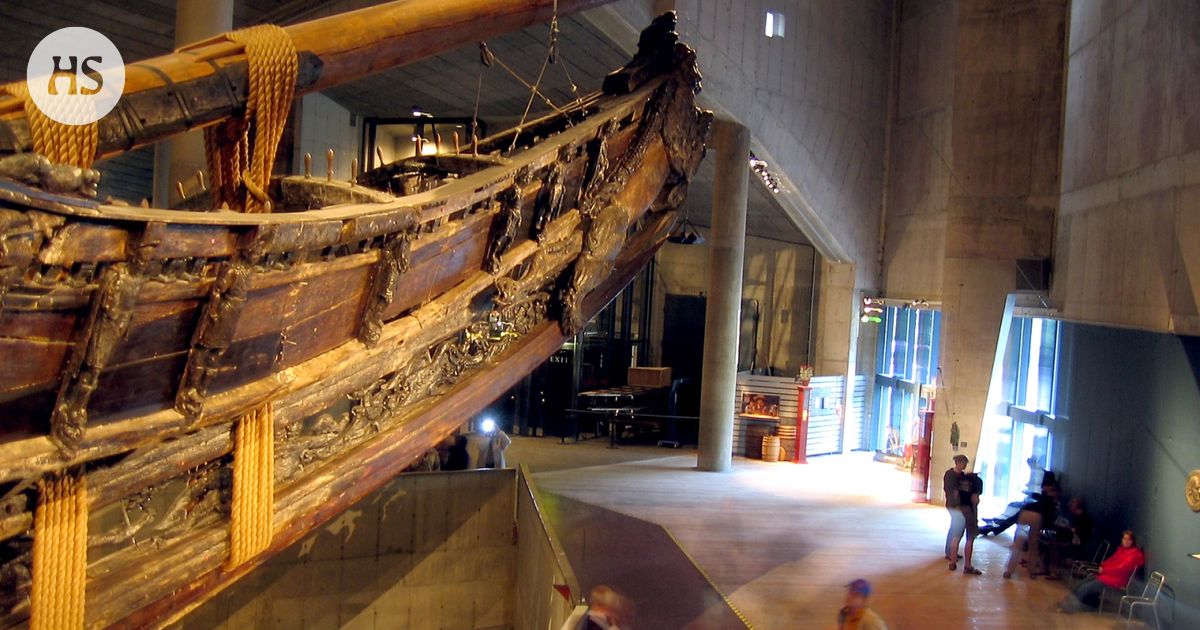
“There are big brands there, such as the Vasa ship, Skansen, Abba museum, Moderna museet and Fotografiska. They may feel that going to the card model takes away value from their brand when they are no longer in direct contact with their own customers,” says Rytsölä.
He reminds that the museum card raised doubts in the initial stages in Finland as well. When the card was launched, 154 museums were involved, and now the number is almost 360. Almost all of the professionally managed museums are included in the card model.
“When an option is offered where some people can get in half-free, everyone in charge of the business considers it carefully,” says Rytsölä.
In Rytsölä’s opinion, the implementation of the museum card project in Sweden depends on the participation of the largest and most famous museums.
The museum card has been in use in Finland for 11 years.
In the year The Finnish museum card introduced in 2015 is a privately managed service. Museums participating in the card model receive 50–60 percent of the price of the entrance fee for every visitor who enters with the card, and also a commission for every museum card sold in the museum.
The card has increased museum visitors and box office revenue. It has 360,000 active users.
In Sweden, a survey was conducted in 2024, according to which 45 percent of the respondents found the museum card attractive. The card was most interested in city dwellers, the more highly educated and those who already actively visit museums.
Very Swedes would not be willing to pay a high price for the card. The majority of the respondents were of the opinion that the appropriate price for the card would be 250 kroner, or just under 23 euros. In Finland, the museum card costs 86 euros and in the Netherlands and Estonia 75 euros.
Rytsölä doesn’t see this as a big problem. The public initially doubted the benefits of the card in Finland as well.
“People don’t understand the museum card until it’s there. They also compare it to how often they go to museums now and not to how often they would go if there was such a card.”
in Sweden The welfare benefit received in connection with the employment relationship cannot be used for cultural services as in Finland. Here, the museum card has long been among the most popular services purchased with the cultural benefit.
However, the good experiences gained from Finland and other countries that use the museum card are of interest to Swedish museums. Rytsölä says that Finland’s improved country brand also increases interest.
“The Swedes are interested in our foreign and security policy, and Sanna Marin was terribly popular there. Maybe that’s why we also look here when we’re looking for innovations.”