Imagine the moment when you experience the familiar internal war – to eat another chocolate cube? It’s not worth it. You feel an inexplicable, almost uncontrollable longing for this cube. It’s not just a matter of willpower. Behind the drive for the chocolate cube is a struggle between different systems in the brain: the reward system that is activated by dopamine and encourages us to eat, against the cognitive control system that tries to dissuade us from doing so. Dopamine is a neurotransmitter that neurons in the brain release when we expect something rewarding. This signal increases the motivation to obtain the reward and reinforces behaviors that led to it.
dictation Originally published on the Davidson Institute for Science Education website
If we go back to the example of chocolate, just thinking about the sweet taste can cause the release of dopamine in the brain. Dopamine increases the urge to put the cube in the mouth, even if another part of the brain is trying to convince us to give up. Chocolate is an everyday and innocent example, but the same brain mechanisms are also involved in addictions Much harder, for alcohol, nicotine, opioids and other drugs. For decades, researchers have tried to find ways to influence the reward system to reduce the use of addictive substances.
Surprisingly, one of the most promising directions came from drugs designed to treat diabetes. New research published in the journal BMJ examined medical data of more than 600,000 military veterans in the United States, all with type 2 diabetes, over a follow-up period of up to three years. The researchers found a connection between the use of drugs from the family GLP-1 and between a decrease in substance use disorders and the complications arising from them.
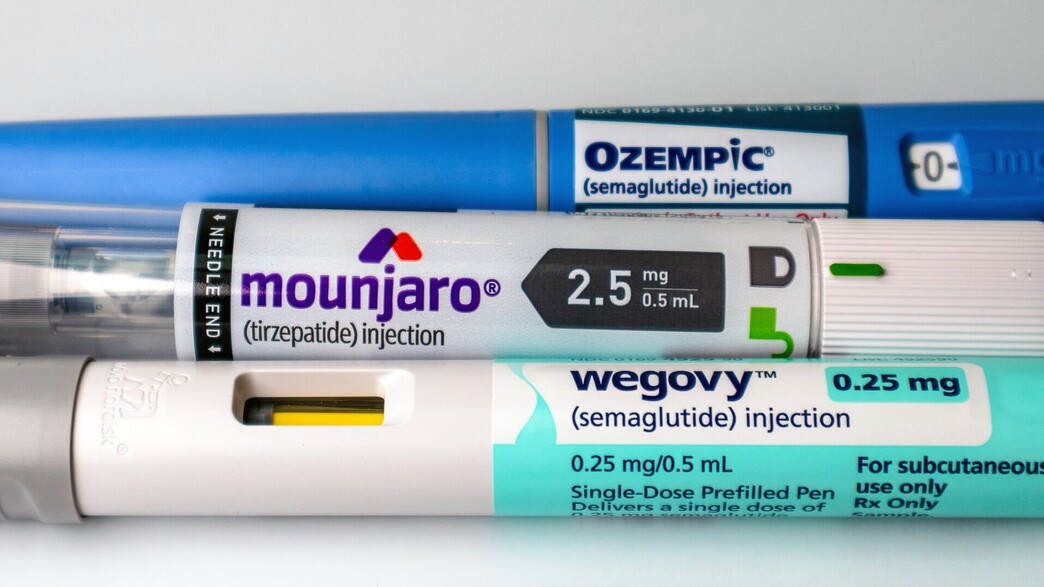
In recent years, the drug semaglutide, the active ingredient in Vigovi and Ozampic, which was initially developed for the treatment of type 2 diabetes and later became one of the prominent drugs in the field of weight loss, has made headlines. Semaglutide belongs to a family of drugs that mimic the activity of a natural hormone called GLP-1. This hormone is secreted in the intestine after eating, increasing secretion the insulin From the pancreas, slows down the rate of stomach emptying and sends signals to the brain that increase the feeling of satiety. And so it helps regulate blood sugar levels and also contributes to reducing appetite.
The military veterans database
The interest in the subject arose following reports from the field: patients who received injections from the GLP-1 family to treat diabetes or obesity reported that in addition to the decrease in appetite, they also experience a decrease in the urge to smoke or drink the daily glass of wine. These evidences aroused great interest among the researchers of the present study and led them to check a possible connection between receiving the drugs and different addictions.
To this end, the researchers analyzed medical data from a large database of military veterans in the United States, and thus they were given access to extensive and detailed medical records. The pool population includes people whose average age is 65 years, and about 90 percent of them are men. Here a question arose that did not go unnoticed by the researchers: this is an older and very specific group – is it correct to extrapolate from the findings to other populations? The researchers noted that one of the advantages of the study is the size of the sample, more than 600 thousand participants. This large sample also included about 35,000 women and about 120,000 African-Americans, so it did include a variety of population groups.
The researchers divided the study into two arms: the first examined people without a history of addiction and tested whether treatment with drugs from the GLP-1 family was associated with a lower risk of developing substance use disorders, that is, were new diagnoses of addiction observed? The second arm focused on people who already had substance use disorders, and examined whether the treatment was associated with a decrease in adverse medical events related to addiction.
Within each of the two arms, a comparison was made between two groups of patients who received treatment for type 2 diabetes: one group received drugs from the GLP-1 family, and the control group received other diabetes drugs that, as far as is known, do not affect the reward pathways in the brain.
The researchers found that in patients without a background of addiction there was a decrease in the risk of developing substance use disorders after treatment with drugs from the GLP-1 family. Compared to the control group, the risk of developing an alcohol use disorder was about 18 percent lower, for cannabis about 14 percent, and for cocaine and nicotine about 20 percent. The most notable decrease was seen in opioid use disorder, where the risk was about 25 percent lower.
An interesting picture was also revealed in the second arm of the study, which focused on people who already suffered from substance use disorders. There, a decrease of approximately 31 percent was observed in emergency department visits related to the use of substances and a decrease of approximately 28 percent in related hospitalizations. In addition, there was a 50 percent decrease in mortality related to substance use disorders, as well as a 39 percent decrease in overdose cases.
Crossing the blood-brain barrier?
Although it is not completely clear whether and how the drugs from the GLP-1 family cross the the blood-brain barrierit is known that there are receptors for the GLP-1 hormone in areas of the brain involved in the reward system. It is possible that the effect on these areas occurs through indirect pathways, or through parts of the brain where the blood-brain barrier is more accessible. Animal studies It is suggested that activation of GLP-1 receptors in these areas may regulate the release of dopamine in the reward pathways and thus reduce the physiological craving for the addictive substance.
Thus, drugs from the GLP-1 family have been linked in a study to a decrease in the risk of developing new addictions, along with a decrease in mortality, hospitalizations and overdose cases among people who are already dealing with substance use disorders. However, it is important to remember that despite the impressive size of the sample, this is only an observational study that indicates a connection but cannot teach about causation. Therefore, the findings require confirmation in controlled clinical trials that directly examined the effect of the drugs on addiction. If such studies do confirm the findings, it is possible that substances that began their journey as drugs for diabetes and obesity will in the future become a new therapeutic tool in the field of addictions.
https://www.businessage.com/post/why-your-business-needs-to-understand-seo
https://www.grandmagazine.com/2017/12/know-becoming-landlord-right/
https://www.grandmagazine.com/2018/09/the-power-of-technology-to-connect/
https://www.grandmagazine.com/2026/02/5-ways-to-see-the-world-without-the-hassle/
https://www.grandmagazine.com/2025/09/common-hvac-myths-homeowners-should-stop-believing/
https://www.grandmagazine.com/2024/12/the-benefits-of-early-physical-therapy-intervention-in-sports-injuries/
https://www.grandmagazine.com/2021/07/how-grandparents-can-practice-water-safety/
https://www.grandmagazine.com/2025/08/the-hidden-costs-of-delaying-home-repairs/
https://www.grandmagazine.com/2025/08/relocating-with-grace-choosing-the-best-moving-services-for-seniors/
https://www.grandmagazine.com/2025/03/organizing-your-finances-how-to-plan-for-a-comfortable-future/
https://www.grandmagazine.com/2025/04/how-smart-clinics-are-using-healthcare-seo-to-book-more-patients-online/
https://www.hatchtribe.com/blog/6-industries-where-mobile-operations-are-beating-traditional-storefronts
https://www.hatchtribe.com/blog/design-memorable-event-spaces-dont-forget-these-things
https://www.hatchtribe.com/blog/innovative-branding-solutions-for-your-business-needs
https://www.hatchtribe.com/blog/tools-every-remote-entrepreneur-needs-for-better-focus-and-productivity
https://www.hatchtribe.com/blog/the-connection-between-work-demands-and-mental-health-strain
https://www.hatchtribe.com/blog/what-dressing-for-success-really-means
https://www.hatchtribe.com/blog/why-so-many-women-are-choosing-real-estate-as-a-second-career
https://www.hatchtribe.com/blog/how-small-businesses-can-attract-top-talent
https://www.hatchtribe.com/blog/from-coping-to-thriving-how-to-overcome-mental-health-challenges
https://www.hatchtribe.com/blog/from-functional-to-chic-office-finishes-that-impress-clients-and-staff
https://www.hatchtribe.com/blog/best-practices-for-women-friendly-workplaces
https://www.hatchtribe.com/blog/tips-for-making-your-office-space-more-attractive-and-functional
https://www.hatchtribe.com/blog/telling-a-brand-story-in-bite-sized-videos-how-to-connect-with-audiences-through-short-videos
https://www.hatchtribe.com/blog/best-strategies-for-managing-long-distance-moves