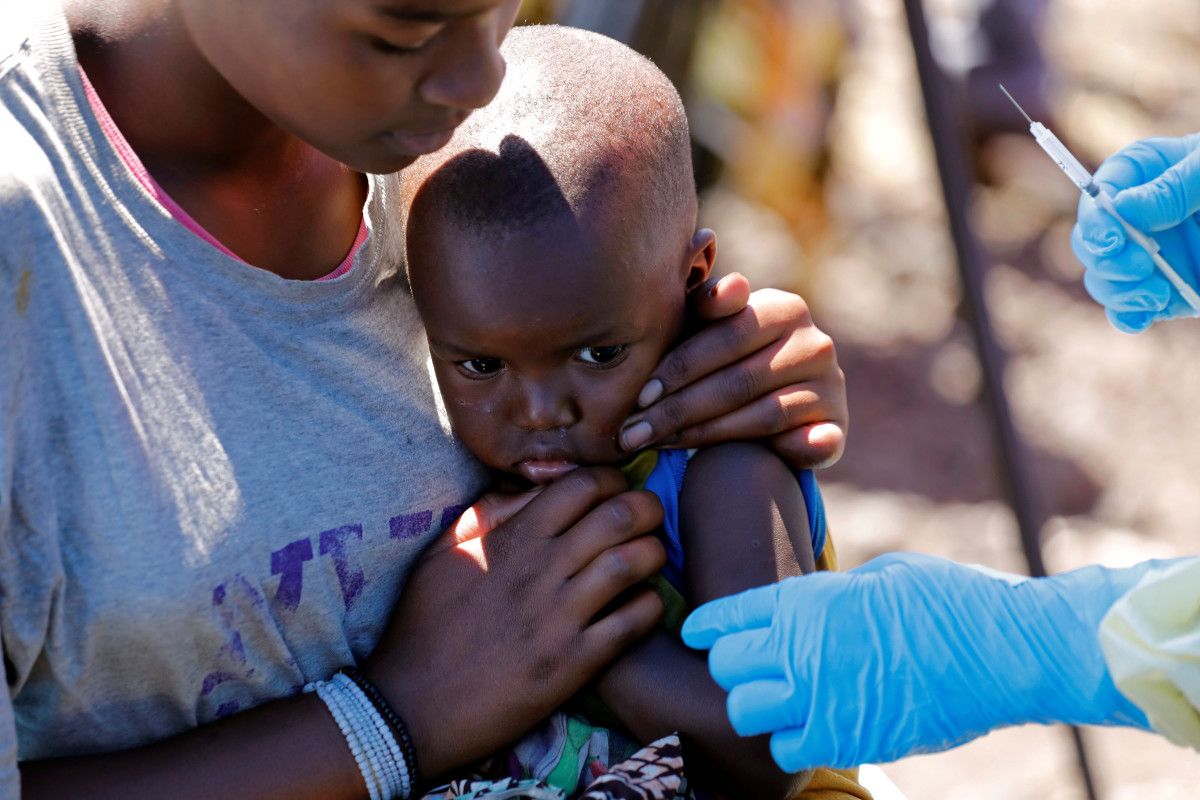
According to the World Health Organization, about 600 suspected cases of Ebola and 139 suspected deaths have been reported so far. Out of all the cases, 51 have already been confirmed in laboratory tests in Congo and two more have been confirmed in neighboring Uganda. One of the patients in Uganda died. The World Health Organization estimates that the number of cases is expected to continue to rise, partly due to the difficulty of quickly locating patients in areas plagued by conflicts and violence.
The epicenter of the outbreak is in the Ituri district of eastern Congo, mainly in the gold mining towns of Mungwalo and Rwampara, next to the town of Bunya, where the first case was apparently detected. According to the epidemiological investigation, a nurse who developed symptoms and died on April 24 is considered the first known case of the current outbreak. After her death, her body was moved to the town where she lived, which could have contributed to the continuation of the infection.
In Uganda, two patients were diagnosed in the capital Kampala, both after traveling from Congo. One of them died of the disease. The authorities in the region fear further spread to neighboring countries, mainly due to cross-border population movement.
Despite the alarming expansion, the World Health Organization clarified that the outbreak is not yet defined as a global epidemic. However, the organization declared it a “health emergency of international concern”, the highest level before declaring a pandemic.
The strain involved in the current outbreak is Bundibugyo, a relatively rare strain of Ebola that has not been seen in the world for more than a decade. This is a strain that previously only caused two known outbreaks, in which about a third of those infected died. The main problem is that there is currently no approved vaccine against this strain, nor are there any specific drugs aimed at it.
According to the World Health Organization, experimental vaccines are under development, and there is a possibility that vaccines against another strain of Ebola, the Zaire strain, may provide only partial protection. However, currently, treatment is mainly based on isolation, intensive supportive care and fluid administration.
In recent days, criticism has been heard from officials in the United States who claimed that the World Health Organization was late in identifying the outbreak. The organization rejected the criticism and claimed that this was a very complex event to detect, partly because the first symptoms of Ebola are very similar to other common diseases in the region, such as malaria and typhoid.
The difficulty in quickly identifying the disease is also due to the fact that in the first stages it looks like a normal fever. Many patients come to clinics with fever, weakness, muscle pain and vomiting, symptoms that also appear in other tropical infections. Sometimes days pass before Ebola is suspected, and during this time the virus continues to pass from person to person.
Ebola is a deadly viral disease caused by a virus from the Filoviridae family. The origin of the virus is apparently attributed to fruit bats, which transmit it to animals and humans. The infection occurs through direct contact with the blood, saliva, sweat, vomit, diarrhea or other bodily fluids of a sick person. Even contact with the bodies of dead people from the disease can cause infection, so traditional burial rituals are considered one of the main engines of spread.
The incubation period of Ebola lasts between two and 21 days. The first symptoms usually include high fever, headache, severe weakness, muscle pain and sore throat. Vomiting, diarrhea, abdominal pain and sometimes also a rash and internal and external bleeding appear later. In severe cases, a multi-system collapse develops which may end in death.
Mortality rates vary between the different strains of Ebola. The deadliest strains have previously been reported to have a mortality of up to 90%, while the Bundibugyo strain usually causes a lower mortality, around 30% to 50%.
There is currently no complete cure for Ebola. Treatment is based on intensive medical support, administration of fluids and electrolytes, treatment of shock, respiratory support and treatment of secondary infections. Experts emphasize that the most important way to stop the disease is rapid isolation of the patients, contact tracing and strict observance of protective and hygiene measures.
https://badwolfbakeryandbistro.com
https://movingtoportland.net
https://1kingcasino-tr.online
https://reymonocamisetas.com
https://simplyarganoilshop.com
https://1king.uk.com
https://1king.uk.com/tr-tr/
https://1king.cn.com
https://1king.reymonocamisetas.com
https://1king.reymonocamisetas.com/tr-tr/
https://reloadingsupplies.store/bdmbet-steht-fur-fairness-und-verantwortungsvolles-spielen/
https://glowscentedcandles.com/live-casino-spannung-entfaltet-sich-online-mit-stil/
https://urogenedburlington.com/felixspin-verbindet-digitale-trends-mit-leidenschaft/
https://datelikeabrand.com/2026/04/16/felixspin-instant-games-direkt-loslegen-ohne-lange-wartezeit/
https://versetto.es/jackpot-fieber-und-slots-spannung-pur-in-jedem-dreh
https://annzachariah.com/coolzino-bonuswelt-erleben-willkommen-mit-spielenergie/
https://www.wolsttoncoffee.com/blogdelcafe/vip-programme-machen-online-spieler-zu-echten-stammgasten/
https://www.womengrowth.net/uncategorized-fr/coolzino-steht-fur-verantwortung-und-spielbewusstsein/
https://grupovaras.com.ar/online-slots-und-progressive-jackpots-bringen-adrenalin/
https://www.seidigitale.com/news/coolzino-leitfaden-fur-einsteiger-zeigt-sichere-wege/
https://digitech.ae/2026/03/26/taktiken-entdecken-fur-nachhaltige-casino-erfolge/
https://uptyshoeenhancer.com/coolzino-roulette-prazision-trifft-pure-spannung/
https://www.casilli.fr/2026/04/20/casino-zahlungsoptionen-fur-sofortiges-und-sicheres-spielen/
https://www.upatdowncountry.com/psychologie-und-verantwortung-starken-das-spielerlebnis/
https://www.therealestateinvestingclub.com/goldzino-turniere-entfachen-wettbewerb-mit-stil/