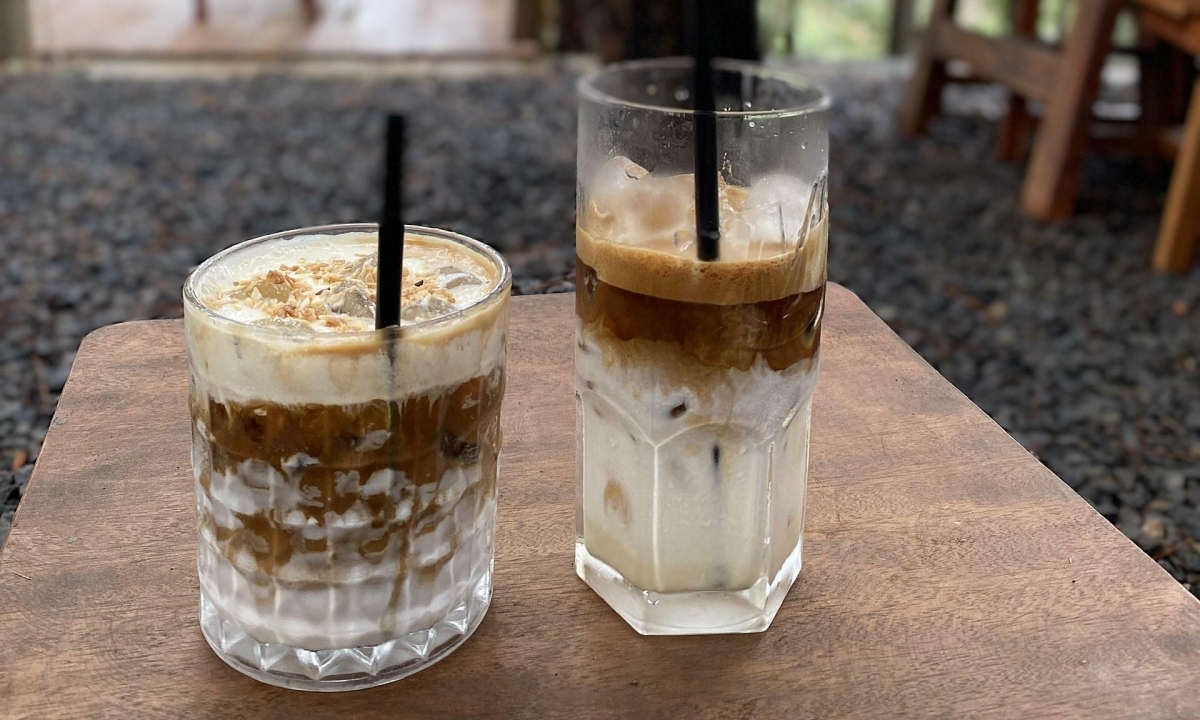
Coffee, soft drinks, and ice water can cause candidates to lose memory, reduce endurance, and affect their learning efficiency during exam season.
Exam season often takes place during hot weather, making the body susceptible to dehydration and circadian rhythm disorders. According to expert Do Thi Lan, Nutrition Unit, Tam Anh Cau Giay General Clinic, many students seek convenient drinks such as coffee, energy drinks, and soft drinks, but they can be counterproductive, affecting memory and ability to concentrate.
Drinks containing caffeine
When consumed in excess, caffeine can cause heart palpitations, restlessness, anxiety, tremors, and reduced ability to control emotions. This substance also has a mild diuretic effect, increasing water excretion if used in large quantities, easily leading to mild dehydration. Using coffee or energy drinks in the evening can easily disrupt sleep. Deep sleep plays a key role in consolidating memory, helping the brain store and organize learned knowledge.
Drinks contain a lot of sugar
Milk tea, bottled fruit juice or many industrial drinks often contain large amounts of refined sugar. When taken, sugar is quickly absorbed into the blood, causing blood sugar to increase quickly, creating a feeling of alertness and energy in a short time.
However, the body will then secrete insulin to bring blood sugar back to normal levels, leading to a sudden drop in energy. This can cause students to fall into a state of fatigue, drowsiness, and reduced ability to concentrate.
Coffee and milk tea contain a lot of sugar and caffeine, which are not good for students if consumed in excess. Illustration photo: Tra My
Carbonated drinks
Many carbonated drinks contain significant amounts of sugar, and some products also add caffeine, increasing the risk of insomnia. Consuming this type of drink regularly affects the digestive system, reducing the steady alertness needed for studying.
In addition, ingredients such as phosphoric acid in carbonated soft drinks can affect the body’s ability to absorb some important micronutrients. Using too much for a long time can affect the mineral balance in the body, especially when the diet lacks calcium and necessary micronutrients. The amount of CO₂ gas in carbonated drinks also causes bloating, belching, and discomfort when sitting for long periods of time.
Ice cold water
Drinking ice cold water in hot weather brings an instant feeling of refreshment. However, drinking too much cold water when the body is hot or has just exercised vigorously can cause sudden irritation of the throat and stomach, causing discomfort, sore throat, cough or fever.
Alcoholic beverages
Alcohol is a central nervous system depressant, impairing memory, reducing concentration and reflexes. In addition, alcoholic beverages also increase the risk of dehydration, affecting sleep quality and liver function if used regularly or excessively. Even when used in small amounts, alcohol can cause poor brain function.
To maintain good study performance, expert Lan advises students to supplement their bodies with enough water. The average water requirement is about 40 ml/kg/day, provided through drinking water, milk, and water in food.
Students can supplement water from natural sources such as fresh fruit juice with little sugar, coconut water or herbal tea such as chrysanthemum tea, roasted black bean water. These drinks provide vitamins and minerals, help relax the nervous system, and help improve sleep quality.
https://www.carismaspa.com/profile/olexandr01033445/profile
https://www.elephantjournal.com/profile/olexandr010/
https://www.fizziq.org/profile/olexandr01089350/profile
https://www.gpters.org/member/j4IeaVqfxz
https://www.healthierhomes.com/profile/olexandr01074166/profile
https://www.hoamanagement.com/forums/users/danielpolizo/
https://able2know.org/user/maksimillian/
https://writeupcafe.com/the-8-000-game-frontier-curation-and-technical-mastery-at-pokie7-games-1
https://backloggery.com/DenBond
https://www.edna.cz/uzivatele/maksimillianpro/
https://publishwall.si/Viktor.Gerasimchuk46/qpost/451024
https://www.xosothantai.com/members/pokie7pokie7.615001/
https://varazslatosmagyarorszag.hu/user/5757
https://www.studioveena.com/members/pokie7/activity/
https://sites.google.com/view/homezzq/%D0%B3%D0%BB%D0%B0%D0%B2%D0%BD%D0%B0%D1%8F-%D1%81%D1%82%D1%80%D0%B0%D0%BD%D0%B8%D1%86%D0%B0
https://velog.io/@daniel77/Pokie7Online.com
https://slides.com/d/FUmiQjM/speaker/stCzds0
https://www.pearltrees.com/dartvaider/item796404515
https://imageevent.com/danielpolizo/pokie7-casinocom
https://www.vrcworld.com/clubs/news.aspx?club=3210#detail
https://www.zeemaps.com/map/oljul?group=7072869
https://letterboxd.com/horikz/list/pokie7casinonet-vs-traditional-aussie-casinos/
https://plexuss.com/p/ml8rVoJX7axkqALEeyv4Ek36W
https://syg.ma/@alex-ostin/pokie-7-onlinecom-review-game-selection-bonuses-mobile-play
https://it-rating.com/profile/013828