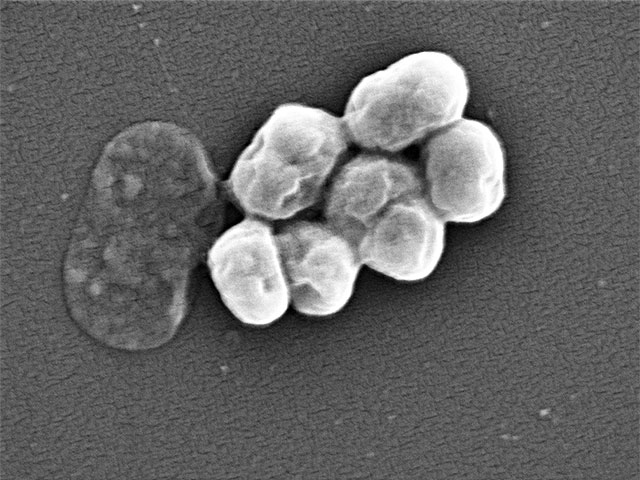
Bacterial resistance to antibiotics is increasingly making common infections in children difficult to treat. This conclusion was reached by the authors of a large-scale study that covered more than 106 thousand samples of infections in patients under 18 years of age from 82 countries. The analysis showed that from 2004 to 2022, antibiotic resistance increased in all regions of the world.
The most vulnerable were infants, children in intensive care units and residents of countries with limited health care resources. Resistance is growing particularly rapidly in the bacteria Acinetobacter baumannii and Klebsiella, which often cause severe infections, including pneumonia, sepsis and urinary tract infections. Researchers predict that by 2035, the effectiveness of even “last reserve” drugs may be significantly reduced.
The article describes the story of a 13-year-old boy from Australia who underwent a kidney transplant. Due to drugs that suppress the immune system, he regularly faces infections, but many of them can no longer be treated with common antibiotics. Doctors have to use rarer and more expensive drugs that are administered intravenously and require long-term treatment in the hospital.
According to the authors of the work, antibiotic resistance is no longer a problem only of severe diseases – it is increasingly found in common childhood infections. However, children remain underrepresented in research on antibiotic resistance and face a shortage of age-specific drugs and treatment regimens.