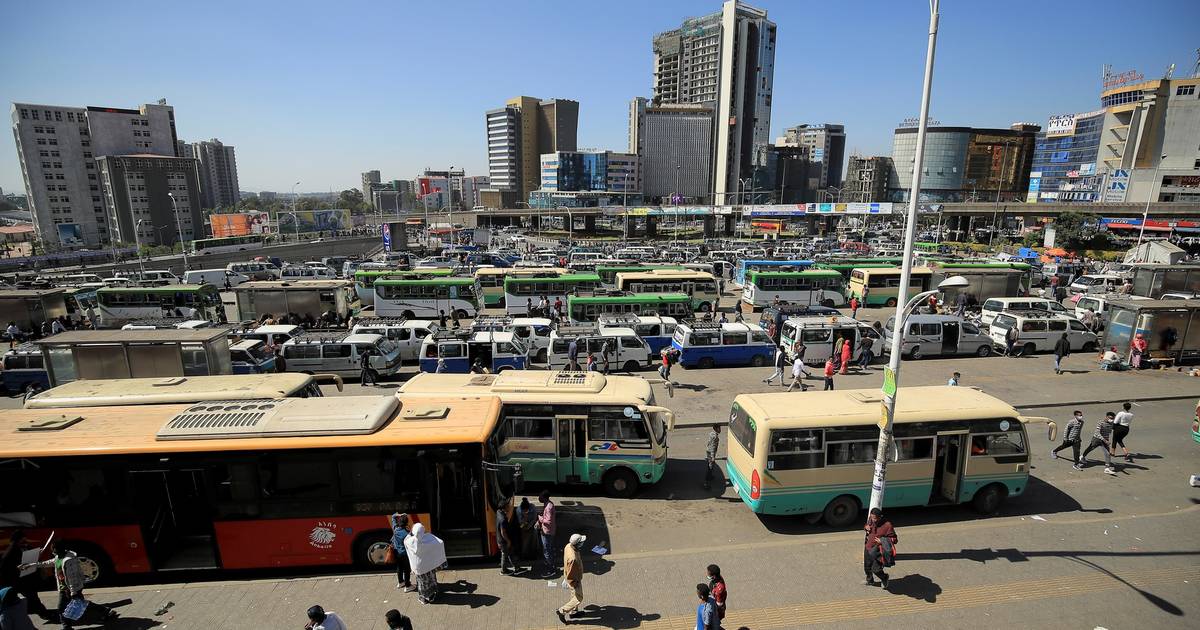
In 2024, Ethiopia introduced a ban on new vehicles on fossil fuels and thus in practice forced the market to switch to electric cars. In the background of the decision was not only ecology, but a very specific economy: the country spent huge sums on fuel imports for years, which put pressure on the budget and foreign exchange reserves.
How does it look on the road? According to data reported by the media, by the end of 2025 there were about 115,000 electric vehicles on Ethiopian roads, which is about 8.3% of the total fleet. At the same time, the difference in the monthly cost is highlighted: EV owners spend an average of about $4 a month on charging, while an average of about $27 is reported for gasoline.
A big part of the story is electricity, Ethiopia relies heavily on hydropower, and the key project is the Grand Ethiopian Renaissance Dam. The dam was officially inaugurated on September 9, 2025, and its goal is to increase the production of electricity and open up space for the export of electricity to neighboring countries. The media state that the price of electricity delivery is around $0.10 per kWh, which further explains why switching to charging at home or at public charging stations has become financially attractive.
Of course, not everything is smooth sailing. Ethiopia entered this move without a large network of filling stations, so the transition was initially improvisation and coping, and some people still have problems with access to infrastructure and reliability of supply. In addition, the dam continues to cause political tensions in the region, especially due to fears about the flow of the Nile downstream.
For us in Europe, this is an indication that it can be done. One country that imports the majority of cars concluded that it is more profitable in the long term to import vehicles and reduce fuel imports. Ethiopia is an extreme example, but the point is also recognizable in our country, because when fuel prices are high and electricity is relatively cheaper, the calculation of daily driving often turns the debate faster than any campaign.