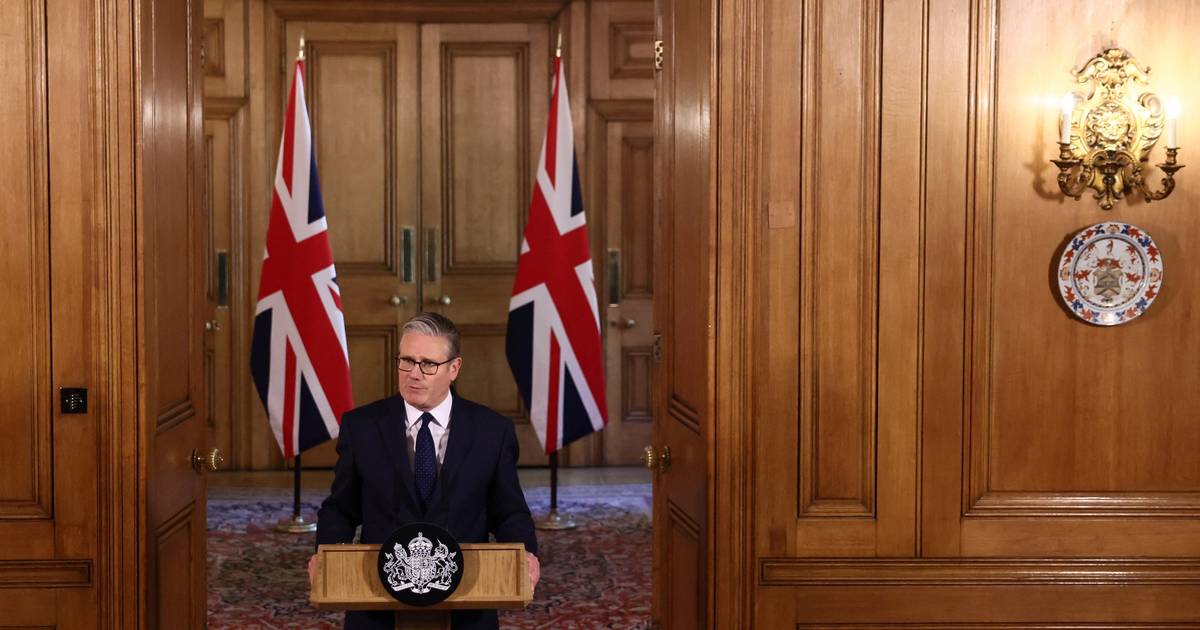
The UK government, after announcing plans to completely ban social media for under-16s, is now announcing additional, even stricter measures. Among them, the introduction of a nighttime curfew and interruptions in “infinite scrolling” for everyone under 18 years of age stand out. The ban on the use of platforms such as Snapchat, TikTok, YouTube, Instagram, Facebook and X should come into force in the spring of 2027, and the move is part of a wider global trend in which countries are trying to more tightly regulate the influence of technology on children.
“We will give children back their childhood”
The initiative, announced by Prime Minister Keir Starmer, aims to protect children from harmful content and addictive design of platforms that, according to many experts, have become “unsafe by design”. The decision followed a national consultation in which 116,000 people participated and which showed strong public support, with as many as nine out of ten parents supporting the ban.
- We are going further than any country in the world by banning social networks for under-16s and introducing broader protection measures to give children back their childhood – said Prime Minister Keir Starmer in an official announcement.
As key additional measures, the government is announcing the introduction of a nighttime curfew and an end to “infinite scrolling” for all under-18s, with more details to be announced in July. In addition, Starmer’s government announced “world-leading blocking of harmful functions”, such as live streaming and communication with unknown persons for under-16s. These restrictions, as explained, also apply to online games. In order to prevent a sudden transition from the age of 16, the same restrictions will be included by default for 16-year-olds and 17-year-olds. It is important to note that the ban will not apply to messaging services such as WhatsApp and Signal.
Machine rules for artificial intelligence
The planned changes also include so-called AI chatbots for “romantic companionship”, which are designed to simulate sexual relations. Their use will require an age of at least 18 years. Similar restrictions on intimate functionality on AI chatbots will also apply in general to anyone under the age of 18.
Law enforcement and response
Platforms will, according to the new law, have to check the age of their users. Communications regulator Ofcom will be responsible for determining the types of age verification systems that will be acceptable. The government document states that Ofcom will “over the coming months introduce various options for effective forms of age verification that are accurate, robust, reliable and fair”, and mentions the possibility of using facial recognition technology.
This announcement caused numerous reactions. Technology companies, which are moreć faced with similar rules in Australia, expressed concern. In a statement to the media, as Ars Technica writes, YouTube stated that “general bans drive children away from supervised platforms and towards anonymous and less secure services.” Similarly, Meta, the owner of Facebook and Instagram, warned that “bans risk isolating teenagers from online communities and information and force them to unregulated alternatives without built-in protections and parental controls”.
Critical policies and structures
Although the intention of the law is to protect children, there are those who believe that the problem is approached in the wrong way. Liberal Democrat MP Victoria Collins called the proposal “woefully inadequate” and believes the UK should instead focus on forcing tech companies to tackle addictive algorithms and harmful content.
Nigel Farage, leader of the right-wing Reform UK party, said the ban was “well-intentioned” but “probably not going to work given the massive use of VPNs”. He added that this would also mean “the introduction of digital identity through the back door”, suggesting as an alternative mobile phones with limited functions for children.
On the other hand, the leader of the Conservative Party, Kemi Badenoch, welcomed the decision, crediting her party for the pressure that led to, as she said, “the latest upheaval of the Labor Party.
https://nvcasinoo.eu.com/lu/
https://nvcasinoo.eu.com/it/
https://nvcasinoo.eu.com/ba/
https://nvcasinoo.eu.com/es/
https://nvcasinoo.eu.com/si/
https://nvcasinoo.eu.com/al/
https://nvcasinoo.eu.com/pt/
https://nvcasinoo.eu.com/fi/
https://nvcasinoo.eu.com/is/
https://nvcasino9.com/
https://nvcasino9.com/hu/
https://nvcasino9.com/pl/
https://nvcasino9.com/en/
https://nvcasino9.com/ro/
https://nvcasino9.com/nl/
https://nvcasino9.com/gr/
https://nvcasino9.com/fr/
https://nvcasino9.com/cz/
https://nvcasino9.com/bg/
https://nvcasino9.com/sk/
https://nvcasino9.com/at/
https://nvcasino9.com/be/
https://nvcasino9.com/ch/
https://nvcasino9.com/se/
https://nvcasino9.com/lv/