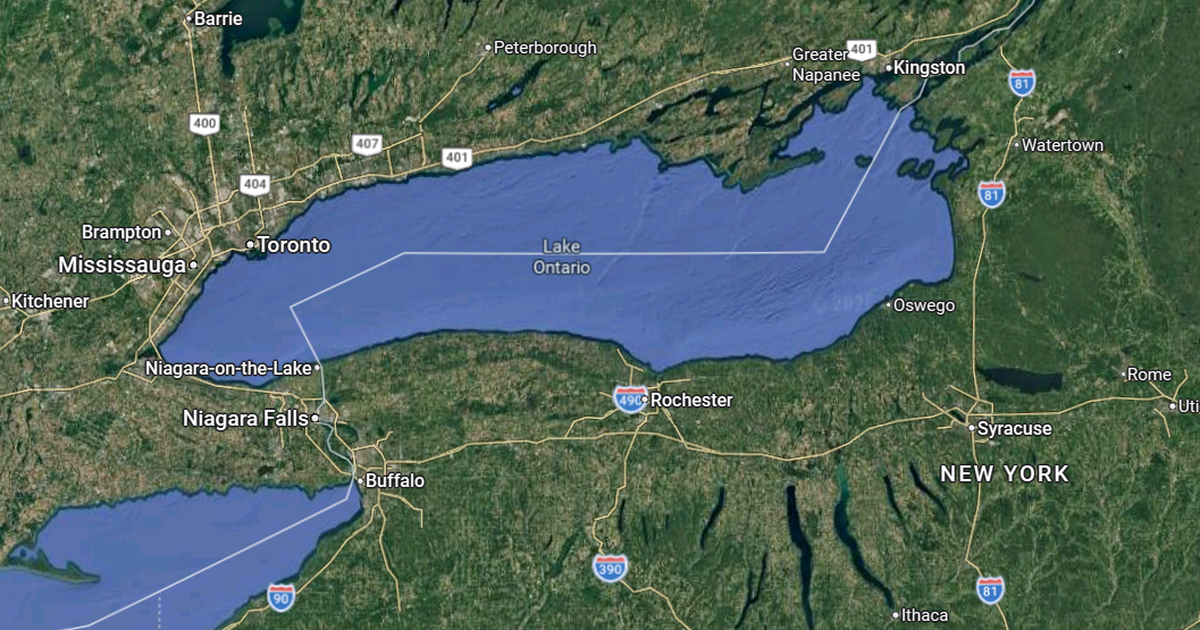
Google Maps faced a wave of negative reviews and comments after changing the name of Lake Ontario to “Lake America” for users in the United States. The decision follows an executive order by President Donald Trump, which has sparked strong public reactions and fueled debate about the role of technology companies in geopolitical issues.
Users leave the app and switch to competitors
The decision to change the name caused a quick and overwhelmingly negative reaction from users. On platforms such as Trustpilot and Google’s help pages, many users criticized the decision, accusing the tech giant of spreading misinformation and bowing to political pressure. Many reported deleting the app and switching to alternative navigation services.
One US user, Dennis Joslyn, wrote on Trustpilot: “Lake America does not exist. The correct name of the lake is Ontario.”
Another user, Susan Buchan, on the help pageć Google Maps expressed its disappointment: “I have been using Google for a very long time and I am extremely disappointed that you followed the ridiculous name change of Lake Ontario. Shame on you for giving in to politics and not standing up for what is right. I will be looking for ways to stop using your products.”
This attitude has led to a significant increase in the popularity of competing applications. US navigation service MapQuest experienced a surge in downloads after publicly refusing to adopt a name change. The app climbed to the fourth place of free apps in the US App Store and reached the top position in Canada, while its usage increased fiftyfold, Business Insider reported.
Political pressure and different reactions of cartographic companies
On August 27, Trump signed an executive order ordering the Department of the Interior and the US Board on Geographic Names to rename Lake Ontario to “Lake America” in federal records. The order gave officials 30 days to update the information system, and ordered federal agencies to use the new name on maps and in official communications. The White House presented the move as a recognition of the lake’s importance to US trade, defense and energy production, amid a broader trade dispute with neighboring Canada.
Google explained that the update is in line with their long-standing practice of using names from official government sources. They had a similar approach in 2025 when, following Trump’s order, they changed the name of the Gulf of Mexico to the American Gulf. On the other hand, MapQuest took the opposite stance, posting a picture of the lake on social media with the message: “We won’t change it.” Apple Maps had not yet implemented the change at the time, despiteč Trump’s calls to do so.
Canada and indigenous communities reject the change
Canadian leaders strongly rejected Trump’s attempt to rename the lake, arguing that the US executive order cannot determine the name of a body of water shared by two sovereign states. Prime Minister Mark Carney emphasized the historical significance of the name, which originates from the indigenous population and is older than the states themselves.
- The name Lake Ontario is more than 400 years old and predates both Canadian Confederation and the American Declaration of Independence. Canada will continue to use it then, now and forever – said Carney.
Ontario Premier Doug Ford responded by erecting a large sign on Canada’s shores reading “Lake Ontario – Now and Forever.” Resistance spread across the entire Canadian political spectrum, with opposition leader Pierre Poilievre saying the lake does not belong to Trump so he can rename it “at his whim.”
Resistance of indigenous communities
The dispute also caused opposition from indigenous leaders. The president of the Seneca Nation, J. Conrad Seneca, called for the order to be withdrawn, describing it as an attempt to erase the history and culture of the people who lived around the lake long before the United States or Canada existed.
- The president cannot lay claim to our culture or erase it with an irresponsible political action – he said.
The name Ontario is of indigenous origin, derived from a Huron word that translates as “lake of shining waters”, while Prime Minister Carney linked it to the Wendat expression “Ontari’io”, which means “the lake is beautiful, the lake is big”. The Canadian province of Ontario was later named after the lake.