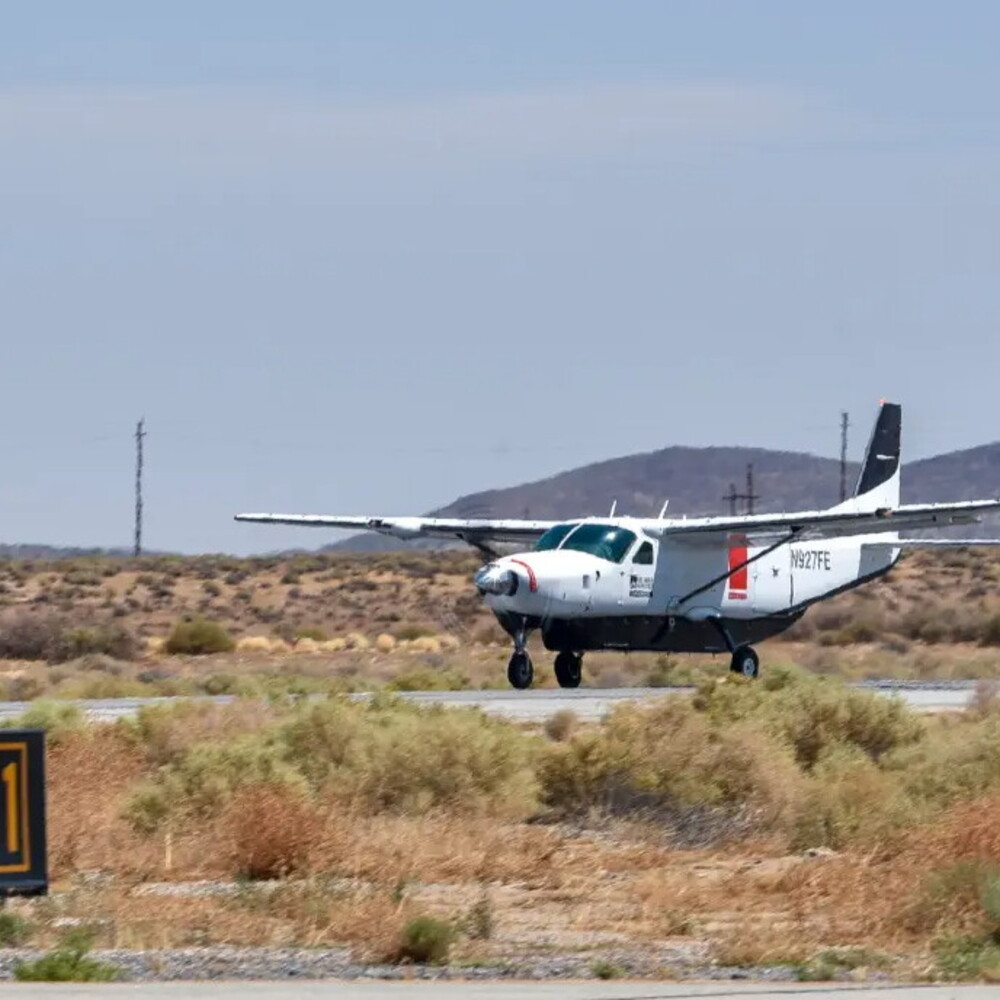
Flying an aircraft without a pilot on board, automatically managing all phases of the journey, from taxiing to take-off and landing. It’s the goal of Reliable Robotics, startup californiana founded by two former SpaceX engineers, which has just raised $115 million in new funding, reaching a valuation of more than $1 billion. The company, based in Mountain View, has been working for almost ten years on the development of an autonomous flight system that can also be installed on existing aircraft, without the need to build new aircraft models.
As TechCrunch reports, the new financing includes $90 million in equity investments, led by Nimble Partners, and a $25 million loan from Silicon Valley Bank. The operation brings the total value of the Series D round to 275 million. According to what was communicated by the company, Reliable Robotics has raised more than $380 million in capital to date.
Leading the company is Robert Rose, co-founder and CEO, who in the past directed the development of SpaceX’s flight software and has also worked for Tesla and Google. The other founder, Juerg Frefel, now the chief technology officer, spent almost ten years as an engineer in Elon Musk’s aerospace company.
How unmanned aircraft work
The project is based on a named system Reliable Autonomy System (RAS)designed to automate all major flight operations. In the first commercialization phase, the pilot will continue to be present in the cockpit, but will be able to entrust engine starting, taxiing, take-off and landing to the technology, supervising operations via a touchscreen.
The next step will be to eliminate the need for the physical presence of the pilot on board, transferring his supervisory functions to a ground control station. The company is also developing a solid state anti-collision radarwithout moving mechanical parts, designed to detect other aircraft and obstacles both during flight and during airport operations.
The technology has already been tested. In November 2023, Reliable Robotics completed a test flight with a modified Cessna 208B Caravan, with no people on board. The aircraft performed a flight of approximately twelve minutes near Hollister Airport, California, under the supervision of a pilot who was in a control center approximately 80 kilometers away.
FAA certifications and expected times
The main obstacle to commercialization remains the certification of Federal Aviation Administration (FAA)the US authority that regulates civil aviation. According to Rose, interviewed by TechCrunch, the approval of the first automatic piloting system could arrive within 18-24 months. To authorize unmanned operations on board, however, at least three years will be needed, while the certification of the anti-collision radar is expected, in the company’s estimates, by the end of 2027. These are objectives indicated by the company and not deadlines already confirmed by the FAA.
Freight transport and commercial projects
Reliable Robotics initially aims to air transport of goodsa sector in which automation could make it possible to connect regional airports and hard-to-reach locations via major trade routes. The company controls Reliable Airlines, an Albuquerque, New Mexico-based carrier that uses a fleet of six Cessna Caravans to transport cargo six days a week. The objective is to obtain the necessary authorizations to also use the autonomous flight systems developed by the startup on these aircraft.
Last March Reliable Robotics was selected, together with the city of Albuquerque, to participate in an FAA experimental program dedicated to advanced air mobility. The project plans to test the use of autonomous, remotely controlled cargo planes to transport goods to small communities in New Mexico and Colorado.
The new financing will be used to expand the fleet, increase production capacity and hire specialized personnel. The company also announced the opening of two new offices in Seattle and San Diego, adding to its existing locations in California and New Mexico. For Reliable Robotics, however, the decisive step remains the approval of the aviation authorities. Experimental flights have demonstrated the technical feasibility of the system, but its regular use for commercial operations without a pilot on board still requires further verification and certification.