People speak an average of 338 fewer words each year during the day. Annually, that means 120,000 words less than the previous year.
That’s what researchers who had recorded people’s speech in everyday life in the United States, Australia and Europe calculated. The recordings were transcribed, and the speeches in other languages were translated into English.
The material collected by the researchers spans from 2005 to 2019. During that time, the number of words spoken daily decreased by 28 percent.
“The words kato reflects the actual verbal conversations, big and small, that we’ve stopped having with others,” psychology researchers Valeria Pfeifer and Matthias Mehl are writing Perspectives on Psychological Science – in the scientific journal.
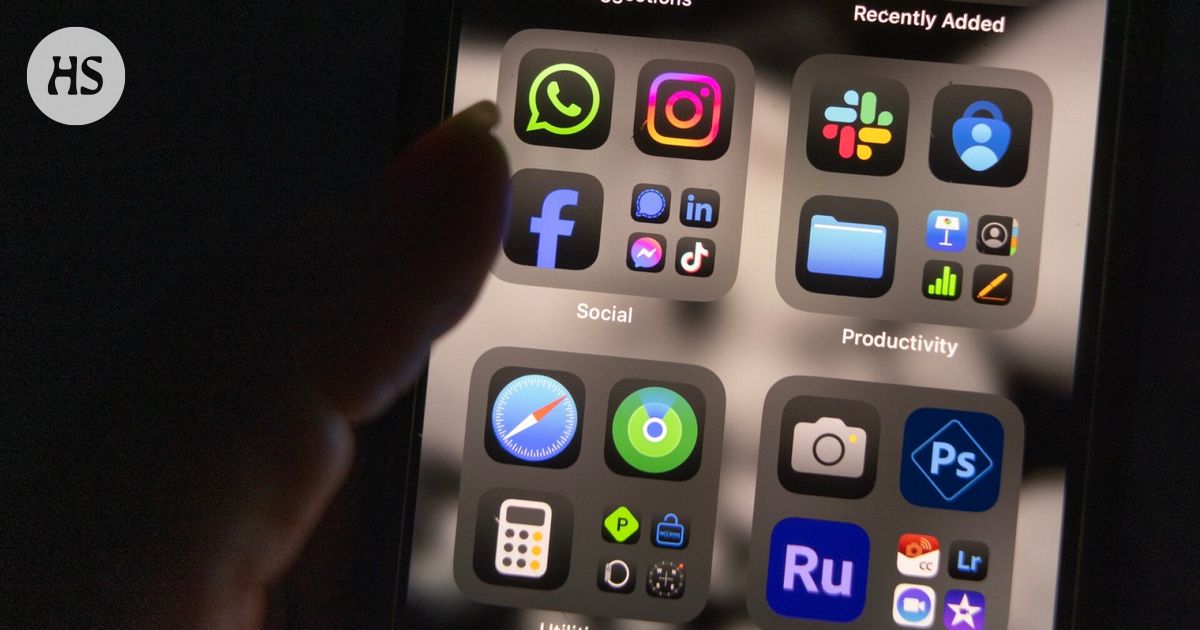
Social media, text messages and e-mails have probably replaced speech in human interaction.
This is indicated by the fact that the loss of speech has been somewhat greater in the generations that grew up using digital devices, i.e. people under 25 years old, than in older people. However, even those over 25 years of age constantly reduced their speech.
Researchers argue that digital communication can hardly replace the psychological benefits that people derive from live, face-to-face conversations.
In the Finnish language, the loss of the spoken word may appear smaller when counted as words.
In English, a separate word expresses, for example, inflectional endings, which in Finland are tied to the main word. It therefore takes fewer words to express the same thing in Finnish.