Iranian Foreign Minister Abbas Araghchi defined last weekend’s visit to Islamabad as “very positive”, stating that the “specific conditions” under which negotiations between Iran and the United States could continue were examined and established. As reported by the IRNA agency, Araghchi – now in St. Petersburg – underlined that the conditions posed by Tehran are “very important”after leaving Pakistan without showing any real openness to talks with Washington. The United States had in turn canceled the sending of emissaries to Islamabad Steve Witkoff e Jared Kushner.
“As you can see, we have always had close consultations with Russia on a wide range of issues, especially regional ones, and there have been continuous bilateral negotiations,” the Iranian diplomatic chief said.
From Russia, Foreign Minister Seyyed Abbas Araghchi commented on his visit to Oman yesterday. “Oman is a friendly and close countrywhich played a very positive role in this conflict. A meeting was needed to consolidate relations with our neighbors, especially in the Persian Gulf region, in order to address existing issues together,” Araghchi told Iran’s semi-official Tasnim news agency.
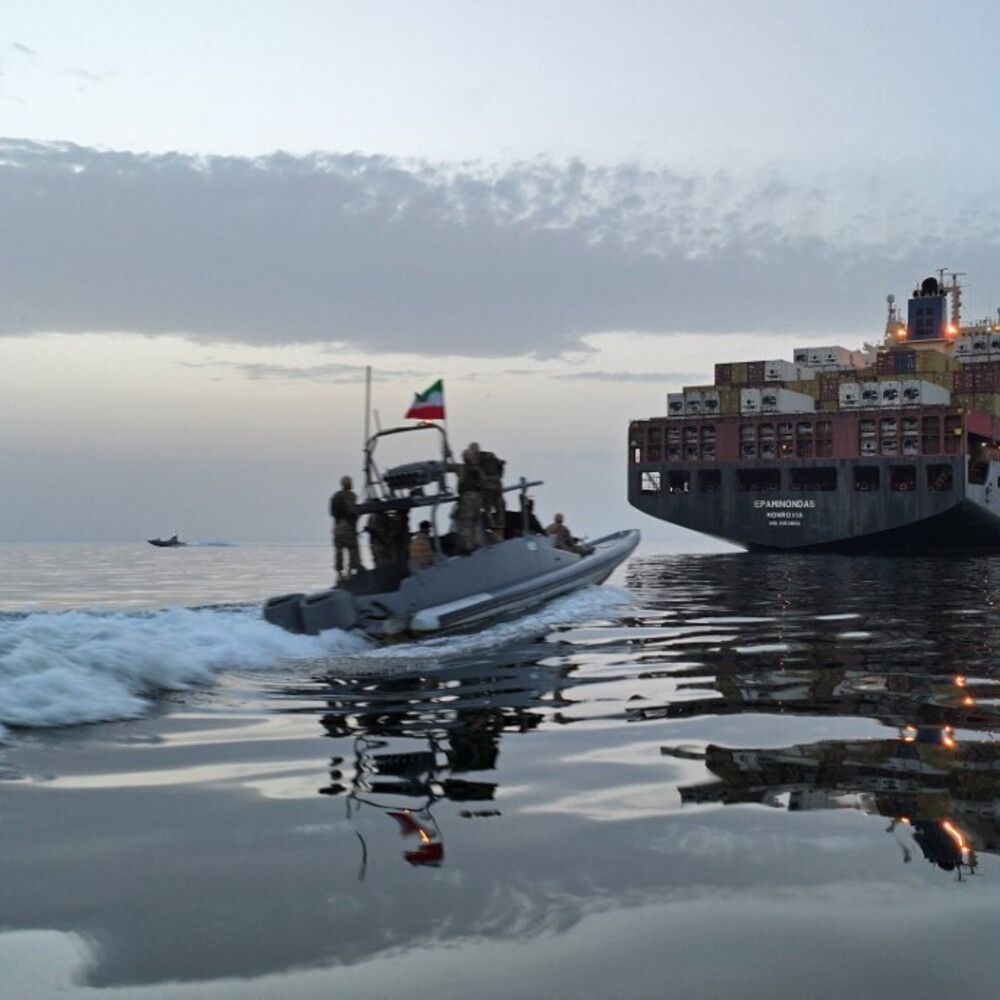
The reopening of Hormuz
In particular, according to Axios which cites a US official and two sources familiar with the facts, Iran has presented the United States with a new proposal to reopen the Strait of Hormuz e put an end to the war, postponing nuclear negotiations to a later stage. According to the site, the initiative aims to overcome the diplomatic stalemate, in a context in which the Iranian leadership remains divided on the concessions to offer on the nuclear program. The proposal would allow for a quicker agreement, separating the military dossier from the nuclear one.
However, an eventual end to the blockade and conflict would risk reduce President Donald Trump’s negotiating margin in future talksin particular on two key objectives: the reduction of enriched uranium stockpiles and the suspension of enrichment by Tehran.
Live:
15.20 Putin, we intend to continue our strategic relations
Russia intends to continue strategic relations with Iran, reiterated President Valdimir Putin, meeting Iranian Foreign Minister Abbas Araghchi in St. Petersburg. For his part, the head of Tehran’s diplomacy underlined that there is a “strategic partnership of the highest level” between the two countries. “We will continue on this path,” he added.
15.00 The meeting between Putin and Araghci begins in St. Petersburg
Russian President Vladimir Putin welcomed Foreign Minister Abbas Araghchi to St. Petersburg, asking him to convey his greetings to the Supreme Leader, Mojtaba Khamenei.
12.42 Axios, Trump gathers his people for the next steps
US President Donald Trump will hold a crisis meeting today to decide his next moves with Iran. The website Axios reported it,
Trump summoned his national security and foreign policy advisors to the Situation Room. “The meeting is expected to focus on the current stalemate in negotiations with Iran and possible options for the next stages of the war,” Axios explained.
Iran has sent a new proposal to Washington in which it would agree to negotiate on its nuclear program as long as the US lifts the siege of the Strait of Hormuz.
In talks with Pakistani, Egyptian, Turkish and Qatari mediators over the weekend, Foreign Minister Abbas Araghchi reportedly made it clear that there is no consensus in the Iranian leadership on how to address US demands. The US demands that Iran suspend uranium enrichment for at least a decade and remove radioactive material from the country.
11.00 Pasdaran, at the right time alongside Lebanon and Palestine
The Revolutionary Guards are preparing to support Hezollah in Lebanon and the Palestinians. This was announced by the commander of the Pasdaran Quds Force, Esmail Qaani.
“The heroic resistance of the Lebanese Hezbollah has demonstrated that the Zionist regime’s (Israel) deceptive narratives to resist and destroy Hezbollah are nothing but lies,” he said, according to Iranian media.
“The Zionist regime, despite having incurred exorbitant costs, employed enormous human and military resources and squandered American taxpayers’ money, is more desperate and helpless than ever in the face of the initiative and steadfastness of the courageous Lebanese youth,” he assured.
10.00: Pasdaran, disinnescate bombe anti-bunker Usa. Now the studio
The bomb disposal squad of the Revolutionary Guards announced that they had defused 15 bombs including anti-bunker bombs and US drones launched during the 40-day war and which remained unexploded. The Pasdaran, we read in a statement reported by the IRNA agency, have “identified and successfully neutralized more than 15 heavy missiles belonging to the enemy” and in particular bunker-busters of the Gbu and Blu type “whose explosive mechanisms had not worked”. Advanced drones such as the Harop, the Lucas, the Mq-9 and the Hermes were also found.
Now Tehran will try to appropriate the bomb technology, the statement said. The devices “were transferred to the technical and research units to understand how they function”.
9.40: BBC, 2,400 seafarers on 105 ships blocked in Hormuz
For weeks, 2,400 seafarers have been stranded on more than 105 oil tankers prevented from crossing the Strait of Hormuz. The CEO of the Intertanko trade association, Tim Wilkins, reported this to the BBC.
On board the grounded ships there is “great worry, stress and tiredness”, he reported. Crews must carefully manage basic necessities, including food and water, and take care of keeping the boats in full working order and getting rid of waste. Many of these sailors “are stranded with no certainty about when they will be able to return home,” he stressed.
8.44 Araghchi, negotiated progress but mistakes and excesses from the USA
Upon his arrival in St. Petersburg, Foreign Minister Seyyed Abbas Araghchi signaled progress in the negotiation process undermined by what he calls “wrong approaches” and “excessive demands” from the United States. This was reported by the semi-official Iranian news agency Tasnim, reporting Araghchi’s statements upon his arrival at St. Petersburg airport.
“In any case, there have been developments in the negotiation process but the wrong approaches and excesses of the United States meant that the previous round of negotiations did not achieve its goals despite the progress,” Tehran’s diplomatic chief said.
Regarding his bilateral visit to Pakistan yesterday, Araghchi said that “regarding Pakistan, this friendly country played an important role in mediating negotiations between Iran and the United States recently, and it was necessary to discuss the latest developments.” In Islamabad, he added, “we examined what happened in the past and discussed how and under what conditions the negotiations could continue.”