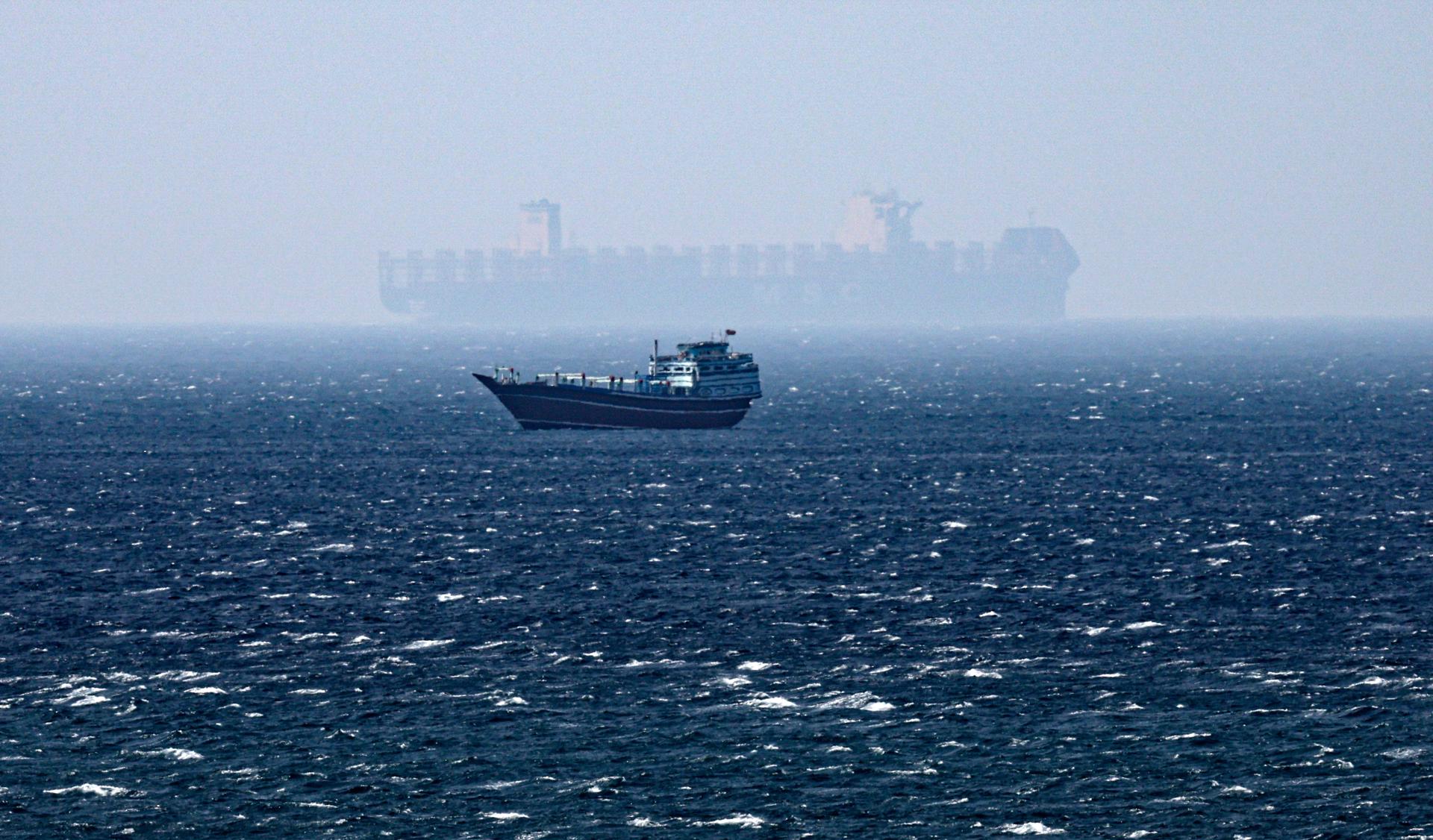
Iran uses the blockade of trade routes, such as the Straits of Hormuz and Bab El-Mandeb, as a weapon of economic terrorism. These actions, intensified in the war with Israel and the USA, violate international laws and threaten the global supply of oil and consumer goods in 2026.
What are the main trade routes threatened by the Tehran government?
The critical routes are the Strait of Hormuz, through which a fifth of the world’s oil passes, and the Bab El-Mandeb Strait in the Red Sea. Bab El-Mandeb is the gateway to the Suez Canal, serving as the route for 30% of global container trade. Iran has already blockaded Hormuz and is now threatening to completely close the Red Sea route using drones and missiles launched by rebel allies.
How do drone and missile attacks affect the price of products around the world?
When Iran or its allies attack ships, shipping companies have to change route to bypass the African continent. This increases travel time by up to three weeks and increases fuel and insurance costs. The result is an increase in the price of goods around the world and a spike in the price of oil, which reached US$117 per barrel during the height of the current crisis.
What do Iran’s actions mean for international law?
These actions defy the fundamental principle of free navigation, guaranteed by the United Nations Convention on the Law of the Sea. Analysts warn that Iran is setting a dangerous precedent: if each country decides to charge ‘tolls’ or close straits of its own accord, international maritime trade will collapse. It is a subversion of global rules similar to what Russia did when invading Ukraine.
Who are the Houthis and what is their role in this blockade strategy?
The Houthis are a Yemeni rebel group supported by Iran and are part of the so-called ‘Axis of Resistance’. They use low-cost technology, such as maritime drones and anti-ship missiles, to attack civilian vessels. These attacks allow smaller groups to challenge the powerful navies of Western powers, paralyzing commercial traffic in strategic points that are difficult to defend.
What is the impact of this on the economy of countries like Brazil?
Instability in maritime routes directly affects Brazil, which depends on these logistics chains to purchase fuel and export agribusiness products. The International Monetary Fund (IMF) already predicts a drop in global GDP due to these blockades. In a pessimistic scenario for 2026, global growth could fall drastically, pushing economically more fragile nations into a desperate situation.