The government of the Netherlands announced the first case of euthanasia carried out on a child between 1 and 12 years old since the entry into force of a law, in 2024, which allows the assisted death of people in this age group who have an incurable disease and who suffer unbearably and with no prospect of improvement, according to the text of the document itself.
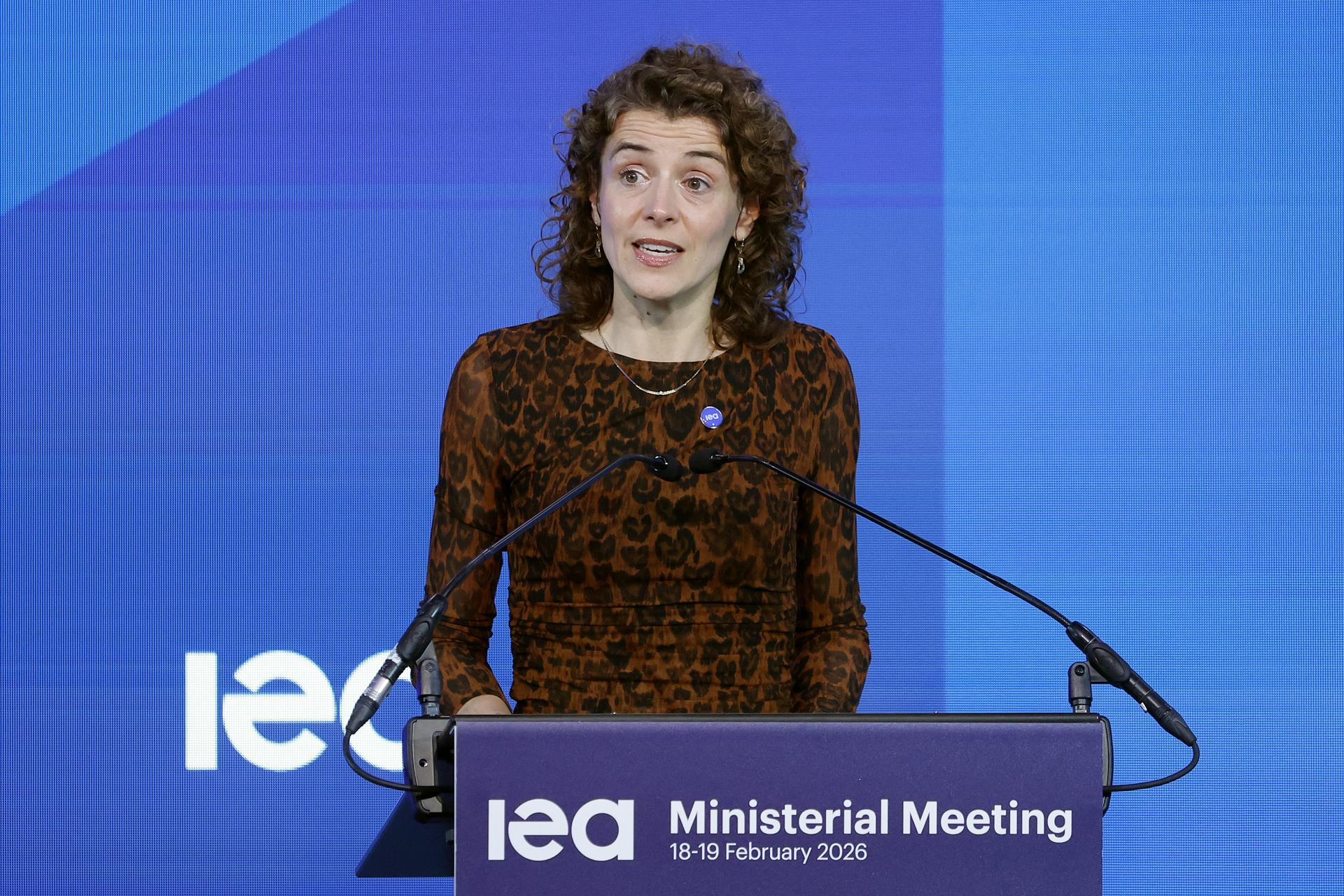
Dutch Health Minister Sophie Hermans informed Parliament that the commission responsible for evaluating cases of late-term abortion and termination of the lives of newborns and children received the notification at the end of the year and has just completed its analysis of the case.
She explained that the commission studied the process, heard the responsible doctor and forwarded its opinion to the Public Prosecutor’s Office, which will determine whether the doctor acted in accordance with current legislation. The minister did not reveal the child’s age or the illness she had.
Dutch legislation, in force since February 2024, allows the euthanasia of children between 1 and 12 years of age who are in the terminal phase of an illness and suffering unbearably, with no hope of recovery. The decision must have parental consent and be evaluated by at least one independent doctor.
The commission’s report indicates that this was the first case received in this category since the expansion of legislation on euthanasia, which until then already covered newborns and children over 12 years of age.
When the legislation was passed, it was estimated that around five children per year could meet the requirements for euthanasia and, in many cases, these are children with congenital anomalies or metabolic diseases.
The introduction of assisted death in children in this age group generated a strong political and ethical debate in the Netherlands. Conservative and religious parties took the lead in challenging the regulation, while medical associations defended the need for a legal framework for “exceptional situations of extreme suffering”.
The commission received three reports in 2025 of late-stage abortions, all related to fetuses with severe brain damage resulting from congenital cytomegalovirus infections.
In all three cases, doctors acted after determining that there were no treatments that could improve the prognosis and that, if the children had been born, they would have suffered severe neurological damage, difficult-to-treat epilepsy and total dependence on care.
In these episodes, the commission concluded that the doctors acted in accordance with legal due diligence requirements.
The report highlights that late termination of pregnancy and the termination of the lives of newborns or children under 12 years of age remain, in principle, crimes under the Dutch Criminal Code.
However, doctors can be exempt from criminal liability if they strictly comply with established due diligence criteria and the commission finds that they acted with “due care”. To date, the Public Ministry has not prosecuted any doctor in the cases analyzed.
Вендинговые аппараты – особенности выбора – Репортер
Ivan120
577C19C0 2B25 4145 832D D71Feb686Ec3
สมาชิกหมายเลข 9125965 – Pantip
IntenseDebate – AnnaMorozovaa
Member.Php
Project 1999 – View Profile: Marina Kuzina
Ekaterina Belova
Ivan Lebidevの自己紹介 | OPENREC.tv (オープンレック)
Irina Volkova
Tatianaegorova
Konstantin Ivanov | Rock from Rostov, RU
vendland.ru | Bark Profile
Disqus Profile – disqus_8zOth5esjt
Twitch
Dariakolesnikova12313
@Natalia Romanova123
KristinaLebedeva's Pastebin – Pastebin.com
Sergey Petrov Author Profile | FlipHTML5 Publisher
Trek62845462834
viktorbelkin – Pinshape
Alina Petrova Official Homepage | PubHTML5
Presentations by Polina Ivanova
AndreyNikitin's Profile – MyAnimeList.net
Member Profile: Elena Fedorova | Blurb Books