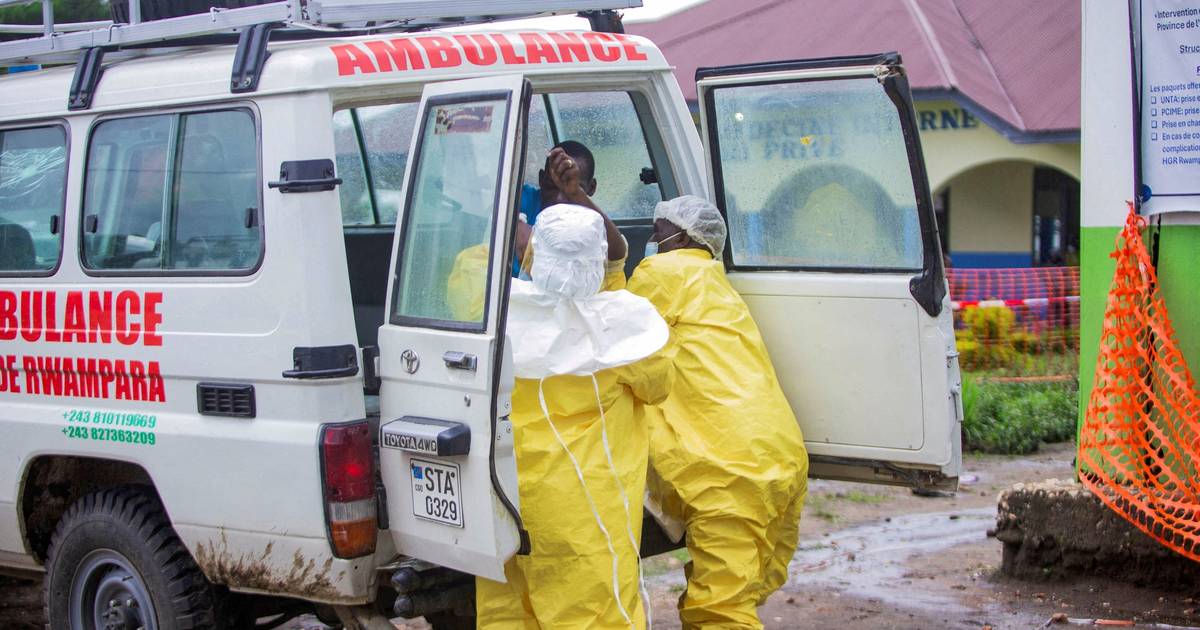
An outbreak of Ebola caused by the Bundibugyo strain, for which there is no proven effective vaccine or treatment, has infected 1,307 people and killed 377 in the Democratic Republic of Congo since the outbreak was declared on May 15, the government said. A smaller number of cases were also recorded in Uganda, and experts warn of the possibility of the disease spreading to neighboring countries such as South Sudan.
“If we secure the necessary funds and strengthen our efforts, we can contain this epidemic and prevent further losses,” said United Nations Development Program (UNDP) Resident Representative in Congo Damien Mama.
“If we don’t do that, this health crisis could grow into a much deeper and longer-lasting development crisis in the region, and possibly on the entire continent,” he added.
UNDP presented three possible scenarios for the development of the epidemic. In the most favorable scenario, according to which the epidemic persists in the two affected countries, the loss to the GDP of the Democratic Republic of Congo would amount to one billion US dollars.
In a worst-case scenario, the disease would spread to countries like Rwanda and Angola and coincide with the rise in fuel prices linked to the crisis in Iran. In that case, the African GDP would be lower by 3.6 billion US dollars, and about 328,000 jobs would be lost, according to the report.