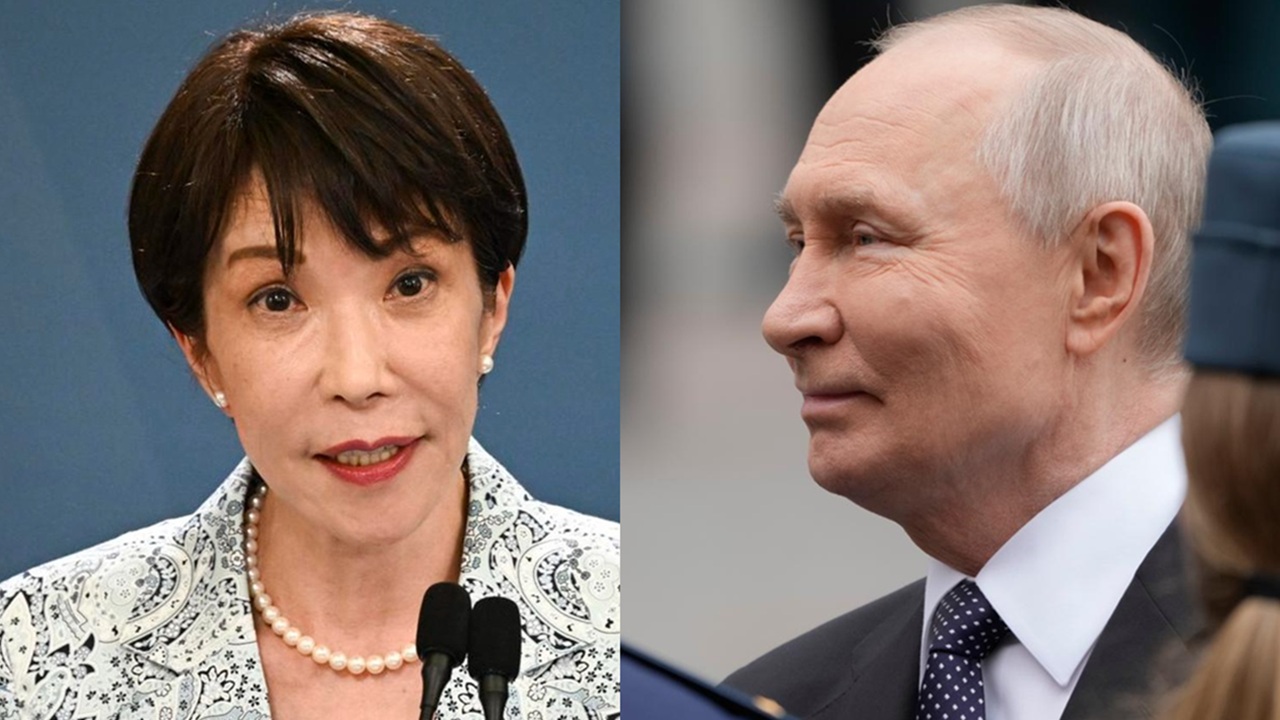
Japan faces a serious diplomatic and security impasse. Old laws and lax supervision have turned the country into a stronghold for Russian spies, who operate on Japanese territory to obtain essential technology and components to fuel Moscow’s war machine against Ukraine.
What is the main evidence of Russian espionage on Japanese soil?
Agents from Russia’s military intelligence, the GRU, are said to be operating in Tokyo under false identities. A striking example is that of a veteran officer working undercover as an employee of the state airline Aeroflot. The central objective of these agents is not ordinary political espionage, but rather to ensure the supply of advanced Japanese technology to the combat fronts in Ukraine.
How are Japanese products ending up in weapons used by Russia?
Estimates from the Ukrainian government indicate that 90% of Russian missiles and drones contain components manufactured in Japan. This is because the country has cutting-edge industries in semiconductors, sensors and robotics. Russia is able to circumvent international sanctions by using third-country companies and taking advantage of Japan’s loose control over ‘dual-use’ items, which serve both civilian and military purposes.
Why are Japanese laws considered weak against spies?
The origin of the problem is historical and constitutional. Due to the trauma of state repression during World War II, the Japanese Constitution severely restricted state surveillance over individuals. As a result, the country was left without strict legal mechanisms to punish foreign espionage, which today generates embarrassment and demands from Western allies such as the United States and Australia.
Does the Japanese government intend to change this situation?
Yes. Japanese government spokesman Minoru Kihara recently admitted that Tokyo needs to treat national security more rigorously in the face of a changing global scenario. The Japanese Parliament has already approved a law to create a new national body that will coordinate intelligence activities, currently fragmented into different agencies, aiming to combat the clandestine obtaining of critical information.
Is there any risk of diplomatic rapprochement between the two countries?
Although Japan maintains strict sanctions, there are signs of timid steps towards dialogue. Recently, Japanese parliamentarians visited Moscow and there were Russian cultural events in Tokyo attended by figures linked to the government. However, Prime Minister Sanae Takaichi maintains a firm stance of distancing, reinforcing that Japanese territory should not be used to support the Russian offensive.