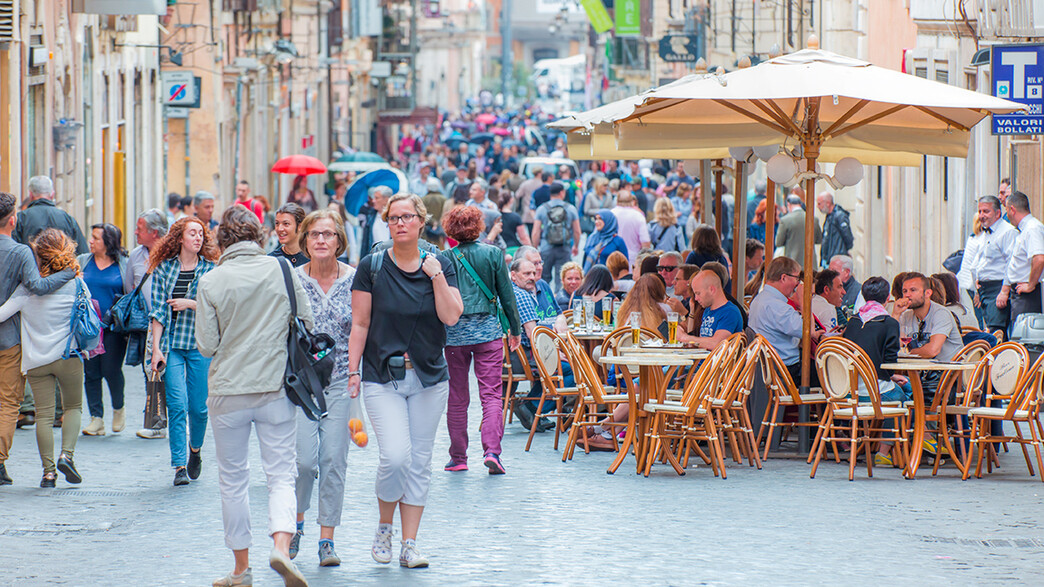
For decades, young travelers measured a successful vacation by the number of famous tourist sites they managed to tick off, or by the late hours they spent in the night areas of central cities. Today, a completely different perception is taking place. A new movement known on social media as NonnaMaxxing is inspiring younger generations to proactively adopt the calm and balanced habits of Italian grandmothers. Beyond making ragu in the middle of the week or going for quiet evening walks, this cultural shift has fundamentally changed the tourism industry and led to the growth of what experts call “grandmother tourism”.
Instead of booking crowded tours or chasing viral photo spots, Generation Z and Millennials are increasingly paying to travel as, and especially with, women adults around the world. These trips center warmth, tradition and human connection over fast tours and the supply, and emphasize for many travelers that the real luxury is simply to slow down.
Digital erosion ignited the slow travel movement
The origin of grandmother tourism It lies in the increasing fatigue from the excessive connection to the network. After years in which we styled and maximized every aspect of our daily lives, many young people feel worn out by the incessant digital noise, the fatigue from the screens and the stressful frameworks of social networks. On platforms like Tiktok and Instagram, trends praising domestic relaxation, handicrafts and analog living began to garner hundreds of millions of views, eventually spilling over into how people choose to spend their vacation time.
At the same time, changing economic pressures and rising stress levels pushed travelers toward experiences that feel restorative rather than loads By seeking the soothing and containing presence of older generations, young tourists find an immediate solution to anxiety reduction. Choosing an “old” itinerary focused on tradition provides a rare opportunity to break away from technology and step into a world built on patience, a seasonal lifestyle and face-to-face interaction.
What does a grandma-scented vacation look like?
In practice, the NonnaMaxxing, in the world Tourism, first, replaces passive tours between sites with practical and involved activities, guided by local elderly women. In Europe, home cooking workshops have seen a sharp jump in popularity, with travelers congregating in private, quiet kitchens to learn centuries-old culinary traditions. In Italy, for example, the meeting often does not feel like a face-to-face lesson but rather like warm hospitality in a private home: it starts with sharing an aperitif and bruschetta, continues with fresh pasta from scratch alongside a sauce that has been bubbling for hours, and ends with a meal together around a spacious table. In Ireland, the travelers learn to prepare traditional dishes and soda bread in warm home kitchens, and in Paris, workshops are held to make macarons and delicate pastries in a relaxed and non-intimidating atmosphere, which replaces the pressure of the professional kitchen with personal tips passed down in the family.
However, the phenomenon Goes far beyond the limits of the kitchen. Across Asia, tourists enroll in traditional massage and wellness courses taught by elderly instructors, such as in massage schools in Thailand, wanting to learn ancient treatment techniques that have been passed down from generation to generation. The study is characterized by great patience, a supportive hug in moments of stress, and calm breaks of drinking herbal tea while the noise of the city is left outside.
In Japan, the trend is reflected both in unique services where tourists can join a local grandmother for a whole day, which includes a tour of the markets, eating sushi, arcade games and joint photos, and in spontaneous meetings in the spaces Communal ones such as hot springs (onsen), where older women welcome the tourists warmly, dispel embarrassment from the very act of bathing together and develop lively and liberating conversations. In Spain, the experience of eating from the field to the plate includes a tour among fruit trees, olive oil productionFresh, and simple cooking from basic products of the region.
In all these destinations the connecting thread is the choice to stop the race. The travelers give up tight schedules in favor of slow conversations, leisurely evening walks (passijata), listening to personal life stories, and enjoying quiet coffee breaks without glancing at the cell phone. It is an entry into an authentic home environment where hospitality is expressed through actions, motherly concern and patience, rather than through commercial presentation.
Intergenerational connection that works both ways
While young travelers gain emotional comfort, practical life skills and a sense of solid grounding, the benefits of this trend flow both ways the directions. Psychologists point out that active involvement with the younger generation meets an essential psychological need of adults to transfer knowledge and give to their community. Teaching traditional crafts or sharing stories keeps the elderly hostesses socially active, which studies link to improved mood, cognitive health and long-term vitality.
In an era when many societies face social isolation and demographic changes, these intergenerational encounters bridge cultural and age gaps. Language barriers are often dissolved through shared meals, working together and simple gestures. Paying tribute to the wisdom of previous generations, young travelers find a meaningful escape from modern chaos, and return from their vacation not only with souvenirs, but with skills that last a lifetime and a renewed appreciation for the simpler pace of life.