High temperatures due to hot weather threaten the operation of many nuclear, hydroelectric and thermal power plants in European countries while the power grid is overloaded due to cooling needs.
Theo MIT Technology ReviewEurope is experiencing a record heat wave, people are using fans and air conditioners so much that the power grid is overloaded. However, some power plants cannot operate to reduce load.
On June 23, France recorded its hottest day since 1947 with temperatures exceeding 44 degrees Celsius and unusually high overnight temperatures. This prolonged period of hot weather has warmed river water across the country, causing problems for many nuclear power plants that use this water for cooling.
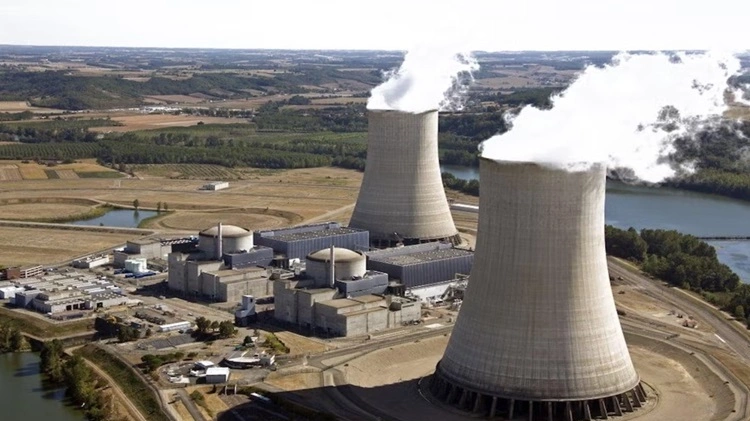
Unit 2 at the Golfech nuclear power plant in southern France stopped operating on the evening of June 22 when the river water used to cool the reactor became too hot. According to Brid Nelligan, a spokeswoman for EDF, owner and operator of Golfech, the power plant draws water from the Garonne River and releases most of it back into the river at slightly higher temperatures after cooling the equipment. Due to regulations limiting the temperature of water discharged back into the river, warm water (28 degrees Celsius) forced the operator to shut down the plant. EDF is also limiting output at other reactors nationwide.
Extreme heat has affected France’s nuclear industry before. The total capacity of the plants that had to be shut down due to the heat wave in July 2025 amounted to 7 gigawatts, larger than the entire Irish power grid. According to RTE, the national power grid operator, stopping or limiting the operation of nuclear power plants has not affected the ability to meet electricity demand in France this year.
Other sources of electricity generation face similar challenges. Hydroelectric plants often encounter difficulties when dry conditions reduce the amount of water available for energy production. In the first five months of 2025, high temperatures and low water levels caused hydropower supply in Europe to decrease by 13% compared to last year.
Golfech nuclear power plant. Image: French Nuclear Safety Authority
Even thermal power and natural gas plants are affected by high temperatures. Hot weather can put pressure on equipment and limit the effectiveness of cooling towers, leading to a total of 2.5 gigawatts of electricity production from five gas stations in the UK.
Jean-Paul Harreman, director of energy information company Montel, said rising cooling demand is the main factor putting pressure on the European power grid. The number of households using air conditioners in the UK will double from 2022.
Worldwide, the challenges posed by high temperatures to power grids will become increasingly severe as climate change brings more frequent and intense heat waves. According to the International Energy Agency, global electricity consumption for cooling is expected to double by 2050 compared to 2023.
Theo CNNEurope is the fastest warming continent on the planet, about 2-3 times hotter than the global average. But the continent’s infrastructure is not built to cope with the heat. This is the second record heat wave in two consecutive months. It is likely that national temperature records will be broken before Europe enters July, which is the hottest month here.
Temperatures are rising due to the heat dome, an area of high pressure that does not move and covers parts of Europe like a giant lid that traps heat. A strengthening El Nino in the tropical Pacific will increase the frequency and severity of heat waves worldwide. According to many scientists, even without El Nino, climate change is the main driver of extreme temperatures.
MG Institute of Beauty – Aesthetics Clinic | Beauty Salon | Cheltenham
Cheltenham Skin Clinic Care For Natural Looking Re
Cheltenham Laser Care for Skin and Beauty Needs
Professional Beauty Treatments For Cheltenham Self Care Moments
Natural Cheltenham Aesthetic Results Without Overdone Beauty Changes
User chainhook7 – Kitchenanswershub Q&A
bikeheat9
Profilo pubblico – spainmen4 – apunto.it
mallethook8 | Literary Forge
方法の極み
peanutcow7
Public profile – dinnerdinghy8 – eGamersBox Ads
JoinUs4Health
badgerturkey7, Author at Nerve Blocks
Egeberg Lee – Profile
Peanutshrimp2
Public profile – hawkgrouse4 – Socialisted
chainslice5 » DataLife Engine 9.3 By A2raya Team
User chainsinger9 – piglix.com
Busch's Profile Page
Deleuran's Profile page
shapegrouse8's profile – Read the Docs Community
hustedmcgarry617846 – PukiWiki
Kullanıcı: girdlesinger7 – Matematik Kafası
chainfan3 » Производственная компания Ok Print