Thanks to the acidic properties and CO2 bubbles of cola soft drinks, Taiwanese doctors have dissolved food residue stones that cause ulcers in elderly patients without having to undergo surgery.
An 86-year-old man in Chiayi, Taiwan, continuously suffered from bloating, nausea, and loss of appetite for 3 months and lost 3 kg. Through X-ray, CT and endoscopy examination, doctors at Dai Lam Tzu Chi Hospital discovered a 4×5 cm mass of food residue (fecal stone) in the stomach, which even caused ulcers and mucosal bleeding.
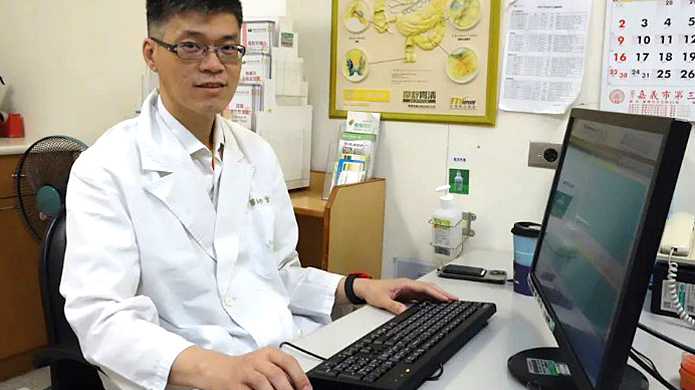
Dr. Tseng Chih-wei, a specialist in gastroenterology, explained that the old man suffered from chronic obstructive pulmonary disease, dementia and had a stroke that led to hemiplegia, impairing mobility and gastrointestinal motility. Through examining his medical history, Dr. Tseng discovered that he loved eating persimmons and citrus fruits, popular agricultural products in the Van Lam and Gia Nghia regions. These foods rich in plant fiber, when entering the stomach of older people with poor intestinal motility, easily clump and gradually form undigestible residue.
Faced with the high risk of traditional open surgery for an 86-year-old patient, he came up with an innovative, less invasive and low-cost treatment solution: using cola soft drinks. Mr. Tseng analyzed that cola has a pH of about 2.6, contains carbonic acid and phosphoric acid to help enhance the ability of stomach acid to digest fibers. CO₂ bubbles released from cola can penetrate the gaps between the residue fibers, creating physical pressure from the inside, causing the gravel structure to break. Besides, the sodium bicarbonate ingredient in this drink also helps dissolve mucus and soften fiber clusters.
The medical team used an endoscope to inject a 250 ml can of cola directly into the food residue. Immediately, CO₂ bubbles appeared to cover the surface and the gravel began to disintegrate. Endoscopic follow-up results a few days later showed that the sebaceous mass had completely disappeared, the patient recovered well and regained his appetite.
Dr. Tseng shares that the highest goal of medicine is to help patients regain their health with minimal pain. He also warned that if food residue is not handled promptly, it can cause ulcers, stomach perforation or small intestine obstruction. Therefore, family members when taking care of the elderly, especially those who are bedridden, have had a stroke or have dementia, need to limit indigestible foods and proactively take the patient to the doctor as soon as there are signs of digestive abnormalities.
Free-to-Play Multiplayer Card Game Launches Amid Growing Monetization Trend
Financial News | myMotherLode.com – Stock Market
Financial News | myMotherLode.com – Stock Market
Financial News | myMotherLode.com – Stock Market
Financial News | myMotherLode.com – Stock Market
Financial News | myMotherLode.com – Stock Market
Financial News | myMotherLode.com – Stock Market
Financial News | myMotherLode.com – Stock Market
Financial News | myMotherLode.com – Stock Market
Financial News | myMotherLode.com – Stock Market
Financial News | myMotherLode.com – Stock Market
Financial News | myMotherLode.com – Stock Market
Financial News | myMotherLode.com – Stock Market
Financial News | myMotherLode.com – Stock Market
Financial News | myMotherLode.com – Stock Market
Financial News | myMotherLode.com – Stock Market
Financial News | myMotherLode.com – Stock Market
Financial News | myMotherLode.com – Stock Market
Financial News | myMotherLode.com – Stock Market
Financial News | myMotherLode.com – Stock Market
Financial News | myMotherLode.com – Stock Market
Financial News | myMotherLode.com – Stock Market
Financial News | myMotherLode.com – Stock Market
Financial News | myMotherLode.com – Stock Market
Financial News | myMotherLode.com – Stock Market