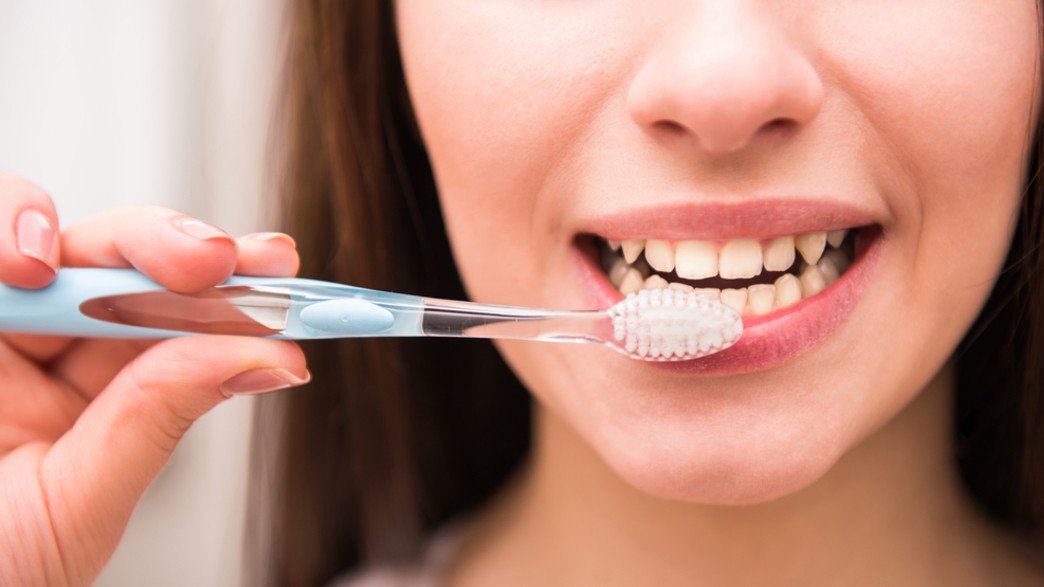
For years we were taught that brushing teeth is a simple action: two minutes in the morning and two minutes in the evening. But studies show that even people who brush regularly make daily mistakes that can cause enamel erosion, sensitivity, receding gums and tooth decay. Here are the five most common mistakes and what is recommended to be done instead.
Brush your teeth immediately after a meal
Many of us rush to brush our teeth immediately after breakfast or after drinking coffee, orange juice or a soft drink. In fact, this is one of the most damaging mistakes. When acidic foods or drinks are consumed (such as fruit, juices, wine or soft drinks), the acidity in the mouth increases and temporarily softens the enamel layer of the teeth. Brushing teeth at this stage causes the rubbing of the softened enamel, and the erosion of the tooth.
What do we do instead? Wait at least 30-60 minutes before brushing. In the meantime, you can rinse your mouth with water. In addition, if you know in advance that you will eat something acidic, it is better to brush before the meal.
Rinse your mouth with water immediately after brushing
This is one of the automatic mistakes: brush your teeth – then rinse your mouth with water. It is important to know that rinsing after brushing reduces the effectiveness of the fluoride in the toothpaste. The fluoride needs contact time with the teeth to strengthen the enamel and protect against tooth decay. Rinsing immediately after brushing removes some of the fluoride before it has even had time to work.
What do we do instead? After brushing, spit out the excess paste, but do not rinse your mouth with water. If the feeling is unpleasant for you, you can wash with a minimal amount of water, but it is better to avoid it. This way the fluoride will continue to act on the teeth.
Neglect cleaning the tongue before going to bed
Many of us make sure to clean our tongue in the morning, mainly to get rid of bad breath, but few know that cleaning our tongue before bed is just as important. The tongue is actually a “carpet” of bacteria. During sleep, saliva production in the mouth decreases. And when there is no saliva to wash away the bacteria left on the tongue, they multiply freely and secrete acids that damage the teeth and gums. Brushing the teeth without cleaning the tongue leaves the main source of infection inside the mouth.
What do we do instead?? Be sure to clean your tongue twice a day in the morning and in the evening before going to bed. Use a toothbrush or a dedicated tongue scraper. This will prevent the accumulation of bacteria, improve the smell of the mouth and reduce the risk of tooth decay and gum disease..
Use a lot of force while brushing
Did you think that strong brushing would contribute to strong and white teeth? Well, this is a common misconception. In fact, aggressive brushing causes double damage: enamel erosion and receding gums.
When you apply strong pressure on the brush, the fibers do not clean better, but damage the tissues of the mouth. Over time, the stress leads to exposed tooth roots, sensitivity to heat and cold, and irreversible damage.
What do we do instead? Use a brush with soft fibers, and brush in gentle circular movements at an angle of 45 degrees to the gum line. If you use an electric brush, let it do the work. Replace the toothbrush every three months or as soon as the fibers start to bend.
Not spending enough time brushing
Although the recommendation is to brush for two minutes, studies show that many brush for less than a minute. In addition, most people focus on the front teeth and miss the back, inside and gum line – exactly the places where tooth decay develops.
What do we do instead?? Spend two minutes brushing twice a day. Divide the mouth into four quarters and spend about 30 seconds on each quarter. Be sure to go over all the surfaces of the tooth: the outer, the inner and the chewing surfaces.
It is recommended to use dental floss once a day, and if necessary to combine antibacterial mouthwash according to the dentist’s recommendation.
In summary: A slight improvement in your brushing habits can improve long-term oral health and prevent damage. Along with daily hygiene, it is important to be examined by the dentist once every six months for early detection of problems and maintaining the health of the mouth and teeth.