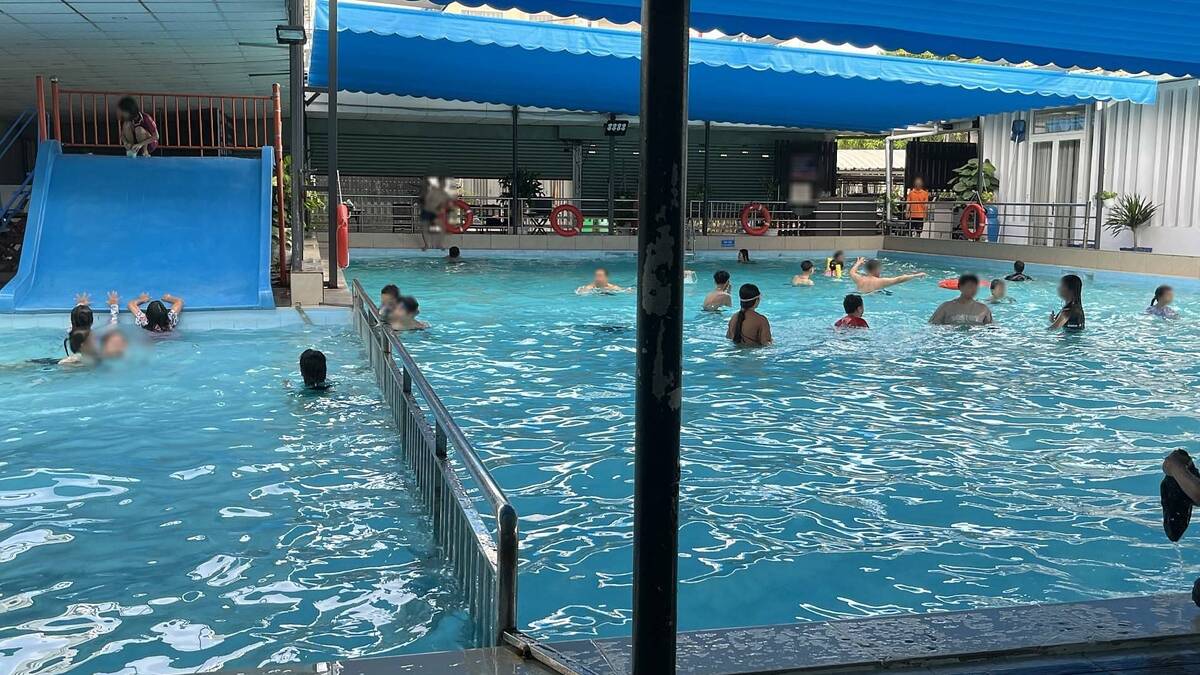
Public swimming pools can increase the risk of transmitting infectious diseases. A study in MDPI found that the majority of cases were related to fecal contamination in water and ineffective disinfection. Enteric viruses account for a high proportion of outbreaks: 48% in swimming pools, 40% in lakes/ponds, and 12% in fountains, hot springs, and rivers. Recently, 4 children learning to swim together at a swimming pool in Hanoi were also determined to be cross-infected with Adenovirus.
In addition to swimming water, shared areas such as changing rooms, handrails, lounge chairs, and water toys are also susceptible to bacteria and viruses.
Chickenpox and shingles are both caused by the Varicella Zoster virus (VZV). After chickenpox, the virus can “hide” in nerve ganglia and reactivate into shingles when immunity declines due to age, chronic illness, or prolonged stress. Shingles does not spread the disease directly to others, but blisters containing VZV can spread chickenpox to people who are not immune. More than 90% of unvaccinated people are at risk of getting the disease.
People with shingles should not swim when the blisters have not crusted over because the virus in the blister fluid can be transmitted through contact or objects contaminated with secretions. Children can also get chickenpox by swimming together, having close contact or sharing items with someone who has chickenpox.
Swimming pools can contain many types of bacteria and viruses if not disinfected and cleaned regularly. Image: Dieu Thuan
Chickenpox has an incubation period of 10-21 days, often causing fever, rash, and blisters that make children itchy and uncomfortable. Without proper care, the disease can lead to skin infections, bacterial superinfections, pneumonia, encephalitis, sepsis or multiple organ failure. You should monitor your child’s health. When your child has a fever, fatigue, or loss of appetite, you should take him or her to the doctor for a professional evaluation.
Chickenpox vaccination is up to 98% effective in preventing the disease and almost completely prevents serious complications. Children who have been exposed to the disease should be vaccinated in the first 3-5 days; more than 5 days, the vaccine still helps reduce the risk of severe illness and prevent chickenpox in the future, so get vaccinated as soon as possible.
Currently, Vietnam has three single-type chickenpox vaccines and one combined type to prevent measles, mumps, and rubella. Among them, a Korean prescription only injects children from 12 months to 12 years old. The remaining three vaccines are administered to both children and adults.
Shingles vaccine is available for adults over 50 years old and people over 18 years old who are immunocompromised due to illness. Therefore, eligible adults in the family need to get vaccinated early to prevent shingles and avoid transmitting chickenpox to children.