The Fukushima events in March 2011 marked the last time that the G7 countries helped Japan prevent an economic catastrophe in addition to nuclear disaster. Recently, the Japanese currency came under pressure due to the sharp rise in inflation. The trigger was the greatly increased price of oil and gas imports as a result of the Iran war. If the currency continues to fall, import costs will also continue to rise – a vicious cycle that had to be broken.
To support the yen this time, Tokyo and Washington intervened together and bought billions of yen. The last time there was coordinated action by the USA and Japan in the foreign exchange market was at the end of the 1990s.
US Treasury Secretary Scott Bessent and Japan’s Finance Minister Satsuki Katayama confirmed the coordinated support purchases to curb the “excessive volatility and disorderly movements” of the local currency. Behind the awkward formulation is a real yen crash. In the weeks and months leading up to the intervention, the Japanese national currency fell to its lowest level against the dollar in 40 years.
US President Donald Trump speaks of a “sign of friendship”. “They have a weakening yen and they wanted a little support. We are always here to help Japan,” he told reporters aboard Air Force One.
But it shouldn’t just be about friendship. One background is certainly that Japan is not only a close ally of the USA, but also the largest foreign creditor with $1.14 trillion. No other country has bought so many American government bonds.
In addition, the weak yen has been very good for Japan’s export economy for a long time. The export strength of Japanese car companies like Toyota is a thorn in the side of Trump’s MAGA camp. The support purchases for the yen helped in the short term, and the currency’s price rose again on Monday.
It is uncertain whether the intervention by the central banks in Tokyo and Washington will help keep the yen high against the dollar in the long term. Japan is very dependent on imports of raw materials. If the price of oil rises, Japan will be relatively defenseless. Further measures in the foreign exchange market are therefore possible at any time, said Katayama. Four months ago, Japan intervened on its own, that is, sold euros or dollars and bought yen in return. The meaning behind it: If there are fewer yen in circulation, the price of the currency rises, i.e. the rate in relation to other key currencies.
Experts have their doubts about whether interventions in the foreign exchange market alone can end the yen’s weakness. Martin Schulz, chief economist at the Japanese technology group Fujitsu, told the NZZ: “As long as the Bank of Japan does not raise its interest rates several times and significantly (in order to slow down inflation, note), there is no chance of stabilizing the yen.
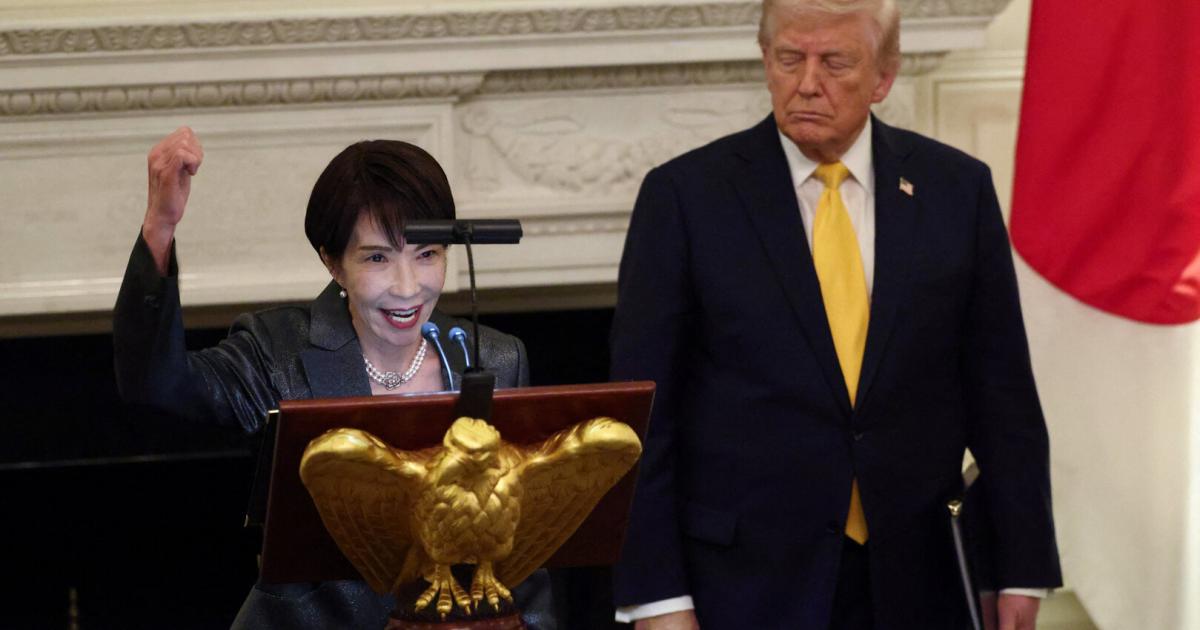
The relationship between the two states and governments is considered to be very good. As early as October 2025, shortly after the new Japanese Prime Minister Sanae Takaichi took office, the USA and Japan forged a new “security alliance” to reduce their dependence on their common rival China. It’s about rare earths and the purchase of US defense equipment by Japan, which Trump really liked. Takaichi said at the time that their two states had “built the strongest alliance in the world.”
Interesting online games for the evening | Ramsay Bolton
Recommend an entertainment area for relaxing after work
Personifying a Modern Lifestyle
ColdBlooded – Social Media for Reptile Enthusiasts
A Mavericks vs Suns game can look like an easy over after a
Explorations | SPACE
Where can I have fun on the Internet while I have free time?
Pine Ridge Garden Club News: July 2026
Recommendation for a gaming sites? – Ema's Light
Recommend an entertainment area for relaxing after work
I want to find a fast and not laggy site where it will be ni
L’Amarrage célèbre ses 40 ans à Val-Bélair!
Team and Staff | Ithape Institute
Recommendation for a gaming site
Where can I have fun on the Internet while I have free time?
Truth and Reconciliation Reports
Which UK Pilot Study Company Delivers Expert Results?
Recommend an entertainment area for relaxing after work
Interesting online games for the evening
Recommend an entertainment area for relaxing after work
From 2 m to 10 m: How to Choose the Right Measurement Solution
Interesting Online Games For The Evening
Recommend an entertainment area for relaxing after work
Trends in Archives Practice Series | Society of American Archivists
Where can I have fun on the Internet while I have free time?