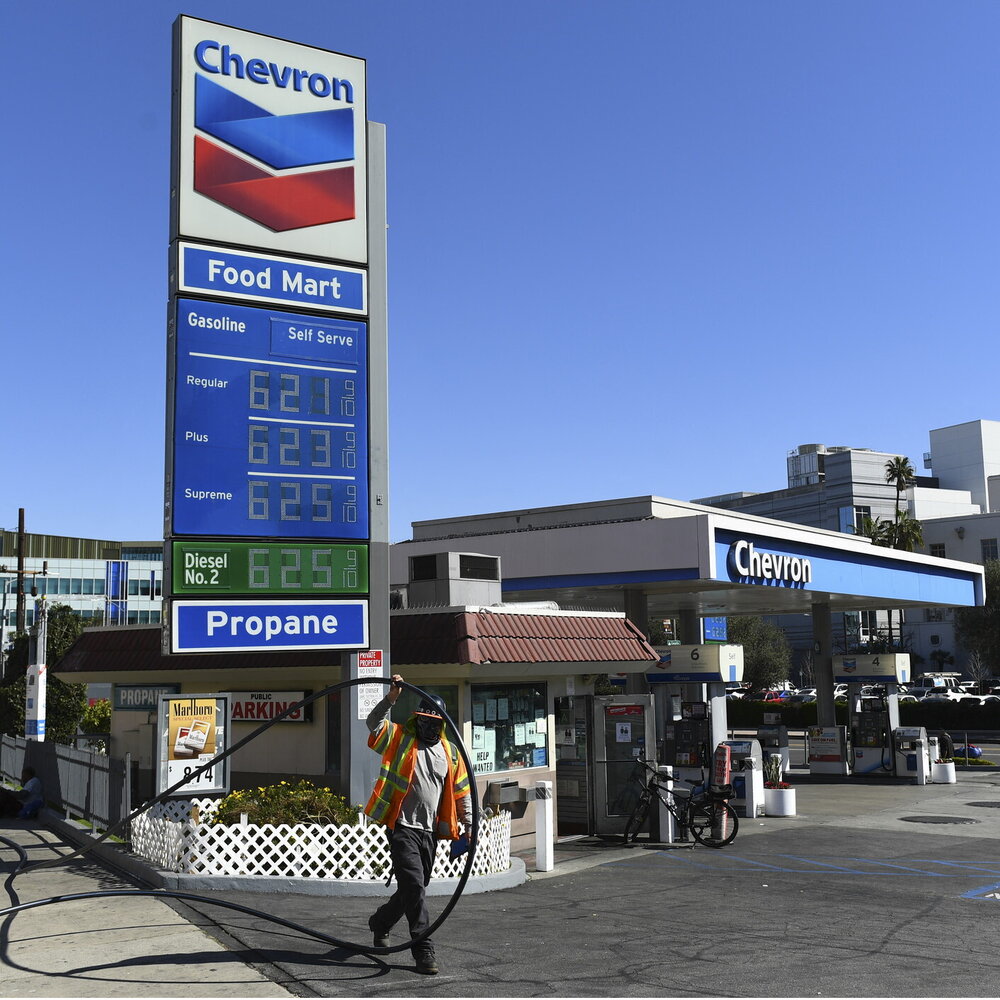
The United States is dealing with the impact of war in Iran: inflation recorded a sharp increase in March, due to the run-up in oil pricesenergy. Just consider that a gallon (3.78 liters) of regular gasoline currently costs on average $4.15compared to around $3 just before the war. A surge he has put Trump under pressure and which according to observers convinced him to start i peace talks with Iran also considered that the mid-term elections expected in November.
The inflation rate has risen to 3,3% on an annual basis in March against 2.4% in February. However, the data is in line with forecasts. In particular, i petrol prices have increased by 21,2% between February and March: this is the largest monthly increase since the government began publishing the index and dates back to 1967. Excluding the volatile energy prices and foodstuffs, i.e. thecore‘ – special guard of the Fed in its monetary policy decisions – the inflation rate rose to 2.6% compared to 2.5% in the previous month.
Market reaction and fears for the Strait of Hormuz
The markets had anticipated the surge, and indeed Wall Street she doesn’t seem too shaken and continues mixed. The returns of Treasury securities two-year, rate-sensitive bonds fell by 0.02 percentage points to 3.75%. Yields move inversely to prices. The Trump administration for its part claims that the economic disruptions caused by the war they will be temporary. Analysts fear that considering that traffic in the Strait of Hormuz is still very small, the worst is yet to come.
The Federal Reserve’s strategy and economic shocks
During the last meeting of the Federal Reserve in mid-March, the president Jerome Powell He explained that the war risks delaying efforts to bring inflation under control in the United States. The US central bank’s inflation target is 2%a goal that has not been achieved in the last five years due to a series of economic shocks: the Covid-19 pandemicthe war in Ukraine and the tariffs.
Consumer forecasts and the future of interest rates
As regards the future, as suggested by theMichigan indexconsumers expect inflation to remain high, with prices expected to rise by 4,8% next year, up from 3.8% a month ago. Analysts predict that the impact of inflation has yet to be fully felt and will indeed have repercussions in the coming months on other sectors such as transport el’agriculture.
Attention is now focused on the Fed: according to what we read in the minutes, in the last meeting the policymakers discussed whether a prolonged conflict would justify increases or cuts in interest rates. According to operators, now there is only the 30% chance of a 25 basis point cut by the end of 2026, compared to 56% yesterday. Before the outbreak of war, two cuts were expected this year, while bets on a new one had also increased during the conflict monetary tightening in December.
https://alleganyrecords.us/inmate-search
https://alleganyrecords.us/property-records
https://alleganyrecords.us/warrant-search
https://amadorrecords.us/
https://amadorrecords.us/arrest-records
https://amadorrecords.us/court-records
https://amadorrecords.us/criminal-records
https://amadorrecords.us/divorce-records
https://amadorrecords.us/inmate-search
https://amadorrecords.us/property-records
https://amadorrecords.us/warrant-search
https://anchoragerecords.us/
https://anchoragerecords.us/arrest-records
https://anchoragerecords.us/court-records
https://anchoragerecords.us/criminal-records
https://anchoragerecords.us/divorce-records
https://anchoragerecords.us/inmate-search
https://anchoragerecords.us/property-records
https://anchoragerecords.us/warrant-search
https://andersonrecords.us/
https://andersonrecords.us/arrest-records
https://andersonrecords.us/court-records
https://andersonrecords.us/criminal-records
https://andersonrecords.us/divorce-records
https://andersonrecords.us/inmate-search