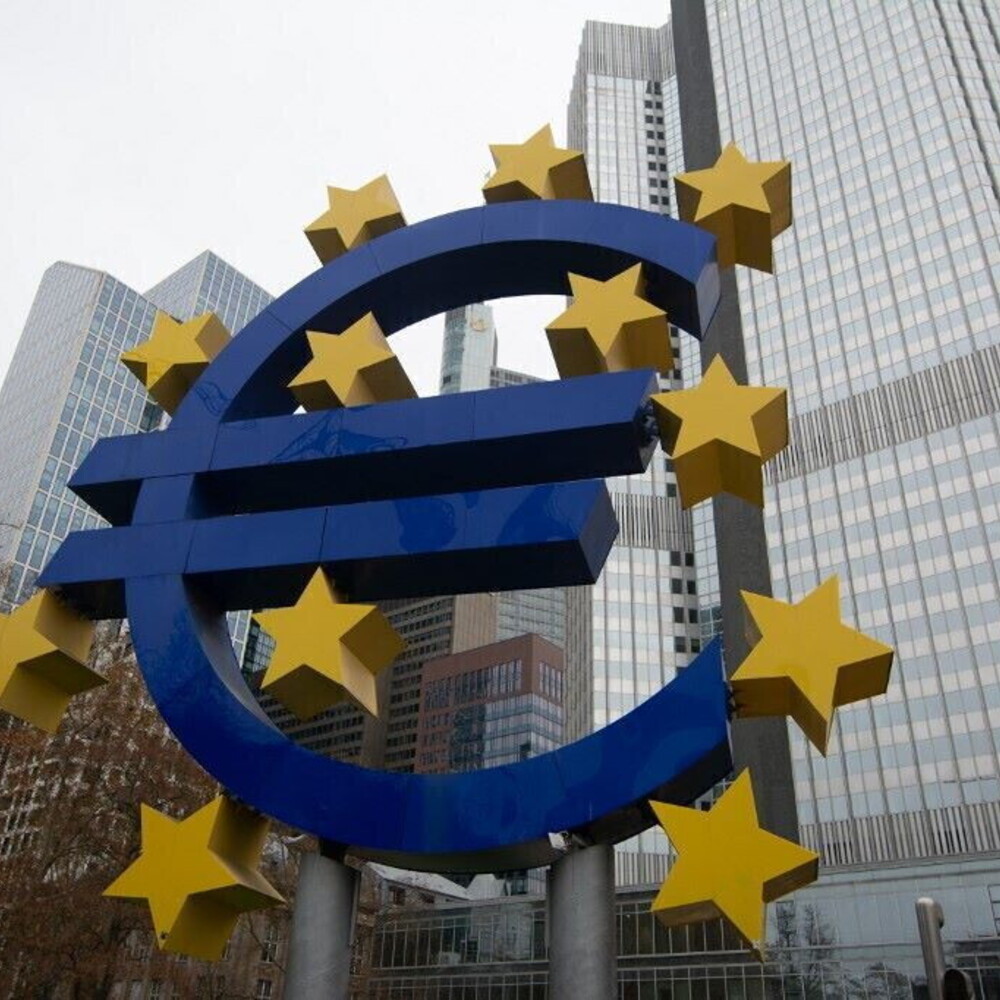
With the green light of European Parliamentl’digital euro enters its final phase. The project involves the creation of a new digital form of currency Bcewhich will join the euro banknotes and coins. “As long as citizens want to use cash they will be able to do so, one thing does not exclude the other”, clarified the president of the ECB yesterday Christine Lagardespeaking in the Econ commission on today’s vote and defining it “an important milestone to advance the digital euro project and to firmly root it in the democratic debate”. Lagarde also hoped that the negotiations could be concluded by 2026, with a view to achieving the final launch by 2029.
The characteristic of thedigital euro is that of being a public currency issued by Central bankwhich will allow citizens to carry out digital payments freeing itself from private commercial systems. Today this possibility does not exist: digital currency is managed by private circuits, often outside the EU. Central bank money currently only exists in physical form (cash) and cannot be used directly for everyday digital payments. A digital euro would fill this gap, offering everyone the possibility of paying digitally with public money guaranteed by the Bceavailable together with cash both online and offline.
Dependence on international circuits
According to the Bcemany 13 out of 20 countries are heavily dependent on international schemes for card payments. As a result, digital payments in euros are often processed through third-country infrastructures, with data stored abroad and fees set based on commercial terms defined outside the country.Ue. The introduction of thedigital euro therefore aims to strengthen the European monetary sovereigntycreating a public and free system for all citizens of the Union who open a digital account.
Political positions and advantages
Cash “is supported by a public, modern instrument capable of reducing dependence on American foreign circuits Visa, Mastercard e PayPal. We can rightly say that David beats Goliath. The digital euro is in fact designed to be inclusive, guaranteeing everyone, even those who currently have limited access to financial services, such as pensioners, the possibility of making digital payments in a simple and secure way”, he commented on the sidelines of the vote Pasquale Tridicohead of delegation of 5 Star Movement to the European Parliament and the only Italian rapporteur of the regulation. Also the head of delegation of Pd, Nicola Zingarettireiterated that “European sovereignty is also needed in payments”, while the MEP of Forza Italia Marco Falcone he underlined that the digital euro “will strengthen the monetary sovereignty of Europe, the independence of our continent and, on the other hand, will give a certain relief to traders and citizens”.
Costs, limits and timescales
Per Giovanni Crosetto Of Brothers of Italy today’s vote is “a concrete response to objective risks” also “against the risk of penetration into the payments market by stable-coinwhich would de facto entail adollarization of Europe”. The basic services of opening the account, holding and managing funds, and obtaining at least one payment instrument would be free. The payment service providers (PSP) may charge fees for additional services, except for account inactivity fees or service packages. Commissions for merchants and interbank operators would be subject to a maximum cap, while offline payments would be completely free. Regarding the possession limit, “there is no figure in the regulation”, Tridico explained toAGI“but in the evaluations of the BCE the threshold of 3,000 euros has already been circulated as a possible limit to guarantee financial stability. I expect it will be that.” On the timing: The pilot project will start in 2027 and the experimentation will last two years, then starting from 2029 thedigital euro it will be a reality of our payments.
How To Help Your Children To Cope With Relocation
Tips To Keep Your Fish Safe And Sound During Relocation
Packing Materials For Your Belongings
Top Items To Cut Down On When Moving
10 Items To Be Put Into Your Moving Kit
A Cat And A Moving
How To Survive Moving When Youre Pregnant
Moving Through The Eyes Of A Child
How To Move House On A Rainy Or Snowy Day
10 Tips To Make Your House Pet Friendly
How To Get Ready For College Move In Day
Calling A Moving Company Is The Best Decision
10 Tips To Cope With Homesickness After Relocation
The Ways To Establish Positive Relationships With Neighbors
Tips To Make The Relocation Less Stressful For Seniors
Food Free Moving What To Do With Foodstuff When Moving
Roadway Moving Vs Northstar Reviews Cost And Alternatives
Rules To Keep Your Things Intact
How To Cope With Packing If You Are A Busy Mum
Is Day Trading Profitable in India: Reality & Risks Explained
Greg Will on Instagram: "Choosing the right platform can make a huge difference in execution, costs, and overall trading experience. Some of the top choices for Canadian day traders this year include:#DayTrading #CanadaTrading #StockMarket #TradingPlatforms #PropFirm #FuturesTrading"
중고등수학전문 청어람수학[개별 맞춤식수업] : 네이버 블로그
Tubidy — Download MP3 Music and MP4 Videos for Free
Tubidy – Free Music and Video Downloads | MP3, MP4, and More
Best Options Trading Books Every Indian Trader Should Read