Tracking data shows that in the past few days, Middle Eastern countries are actively loading crude oil and liquefied petroleum gas (LNG) onto ships for export.
Energy shipping activities in the Strait of Hormuz slowed last week after a container ship and another oil tanker were attacked, sparking new countermoves, putting pressure on the US-Iran peace agreement. However, on June 28, a US official said the two countries had agreed to stop recent hostile actions and restart negotiations on this important waterway.
On June 29, data firm LSEG said a super tanker, with a capacity of 2 million barrels, was loading oil from Saudi Arabia’s Ras Tanura port. Three other super tankers were also loaded and turned off their positioning signals after leaving this port last weekend. This activity is common in hostilities, to reduce the risk of being attacked when passing through the Gulf.
Data shows that one of these super tankers reappeared on the tracking system today, after exiting the Strait of Hormuz, and is heading towards Japan.
Two other super tankers also entered the strait on June 28. They are anchored at a UAE port to load crude oil.
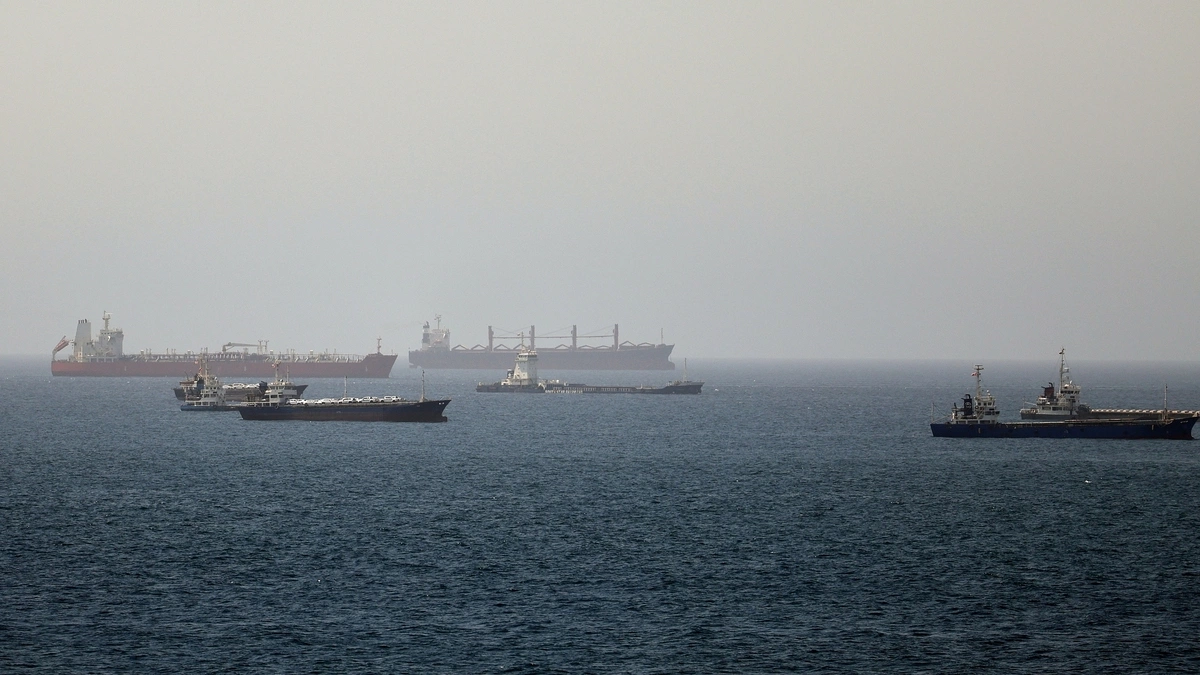
Oil tankers and cargo ships move in the Gulf of Oman on June 16. Image: AP
Iran is also accelerating oil sales after Washington waived sanctions for 60 days. On Saturday, for the first time in nearly a week, Tehran loaded oil onto ships from both ports on Kharg Island, according to maritime data firm Windward.
Kpler data also shows that two Iranian-flagged supertankers entered the Strait of Hormuz on June 28. About 8 million barrels of crude oil from the UAE and Qatar were also exported on four tankers last weekend.
A surge in exports from the Gulf – which supplies about a third of the world’s oil – is putting pressure on prices. Brent oil prices fell 10.6% last week, marking the third consecutive weekly decline. However, new attacks in the past few days have caused the price to move up today, currently around 72 USD a barrel.
“If you think that the Strait of Hormuz will continue to reopen in the near future, crude oil prices are currently quite reasonable. However, if you think that the risk from weekend tensions flare-ups could escalate the conflict again, oil prices are very cheap,” said Tony Sycamore – IG market analyst.
Not only crude oil, liquefied petroleum gas (LNG) is also being accelerated by countries exporting. Kpler data shows the Al Kharaitiyat ship is heading to Kuwait after loading cargo at Qatar’s Ras Laffan port. Another QatarEnergy-controlled vessel, the Al Kharsaah, is waiting off the coast of Qatar.
The Mraweh ship, loaded at Das Island of the UAE on June 21, is expected to deliver to the west coast of India on July 5. Meanwhile, QatarEnergy’s Al Hamla ship is transporting a batch of LNG loaded at Ras Laffan to China early next month.