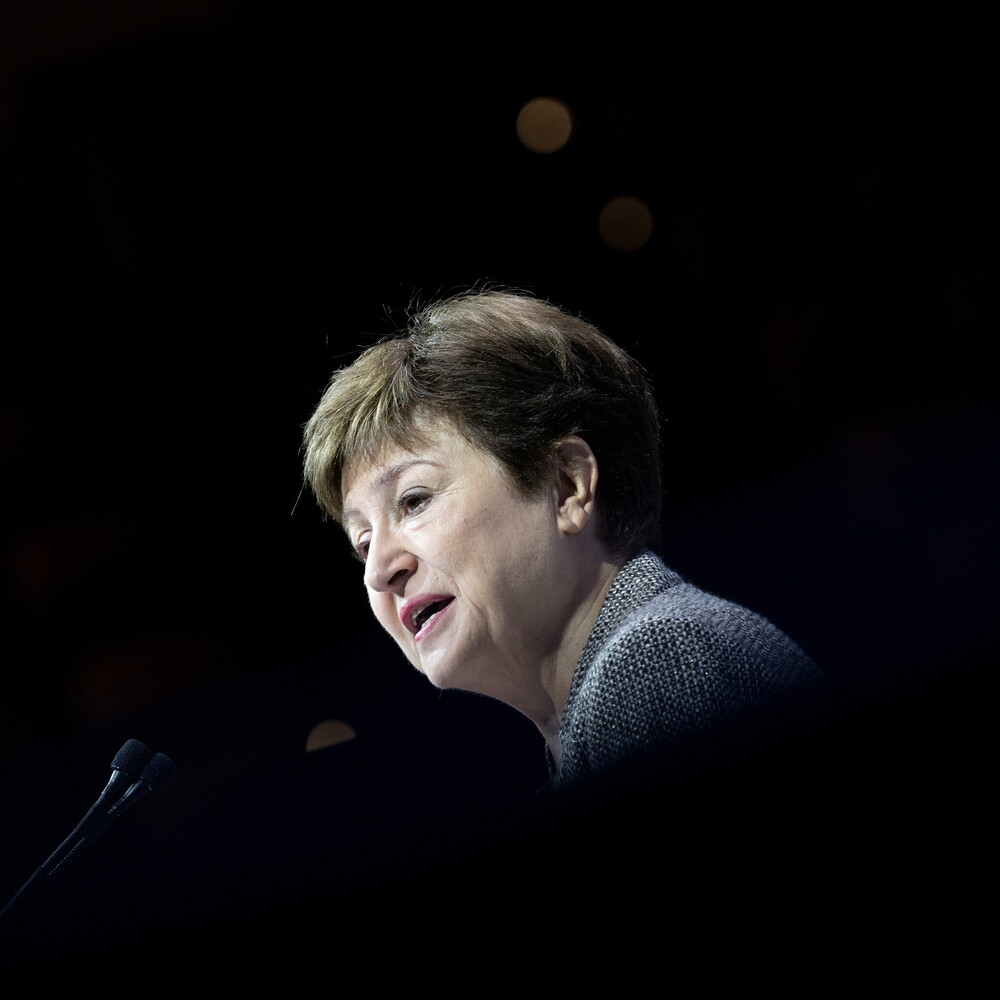
The global growth is forecast at 3.0% in 2026 and 3.4% in 2027, down compared to the average of 3.5% observed in the two-year period 2024-2025 and substantially unchanged on a cumulative basis compared to World Economic Outlook (WEO) forecasts of April 2026. The modest slowdown (-0.1% from 3.1% in April) reflects the effects of war in the Middle East partially offset by the acceleration of demand in the global technology cycle, thanks to progress in artificial intelligence (AI) and its adoption. This is what we read in the July update of the World Economic Outlook.
The impact varies greatly depending on countries’ exposure to war and their position in the war technological value chainthe report explains. THE energy exporting countries outside the conflict zone benefit from favorable trade conditions, while the economies involved in the technology-driven recovery record more sustained activity, even if they import energy. In contrast, activity weakens for energy-importing countries with limited participation in the technology value chain, a group that includes many low-income countries.
Inflation rising to 4.7%
In 2026, headline global inflation is projected to rise from 4.1% in 2025 to 4.7% in 2026, before declining to 3.9% in 2027. Revised slightly upward from April, these projections indicate that the disinflation trend that has been underway since early 2024 has come to a halt. Risks to the outlook are more balanced than in April, but still skew to the downside.
The possibility of renewed conflict in the Middle East looms and could extend the volatility of raw material pricesfurther threaten the supply chainsincrease prices and weigh on financial conditions. The fragmentation of trade could accelerate, potentially damaging production and raising prices. A possible correction in technology-related expectations adds to the downside risks, while the erosion of monetary policy buffers may amplify these risks.
The causes of the risks
Upside risks arise from a faster-than-expected normalization in the energy markets, from higher-than-expected technological investments, from a resumption of lasting cooperation that reduces trade barriers and from structural reforms that stimulate growth in the medium term. Policy priorities are to restore price stability, supported by clear communication, central bank independence and robust financial supervision, while rebuilding fiscal reserves and using fiscal tools sparingly through temporary and targeted support that preserves price signals.
Structural reforms are needed to promote energy security, AI preparedness, internal rebalancing, and international cooperation should be strengthened to ease ongoing tensions.
Sj V7Uf7Zx
Monzocasino
Blank Slate
953439
saskatchewann's Profile – MyAnimeList.net
saskatchewan | Users list | Community | Idol Story – Love Live!
About
Svatoslavsvatr
CircuitVerse – saskatchewancasino
Cannabis.net
Home.Php
ramacasino's Profile
rama casino | Snippets | best
ramacasino | STW
Home – saskatchewan-casino-online – The Stamp Stampede
saskatchewan
saskatchewan
saskatchewan
saskatchewancasino – KingMods
shorelines
Shorelinescas.74452
Shorelinescasino
Blogger: User Profile: shorelines
8540304 Shorelines Casino
ace-casino.org הפרופיל של — The Movie Database (TMDB)