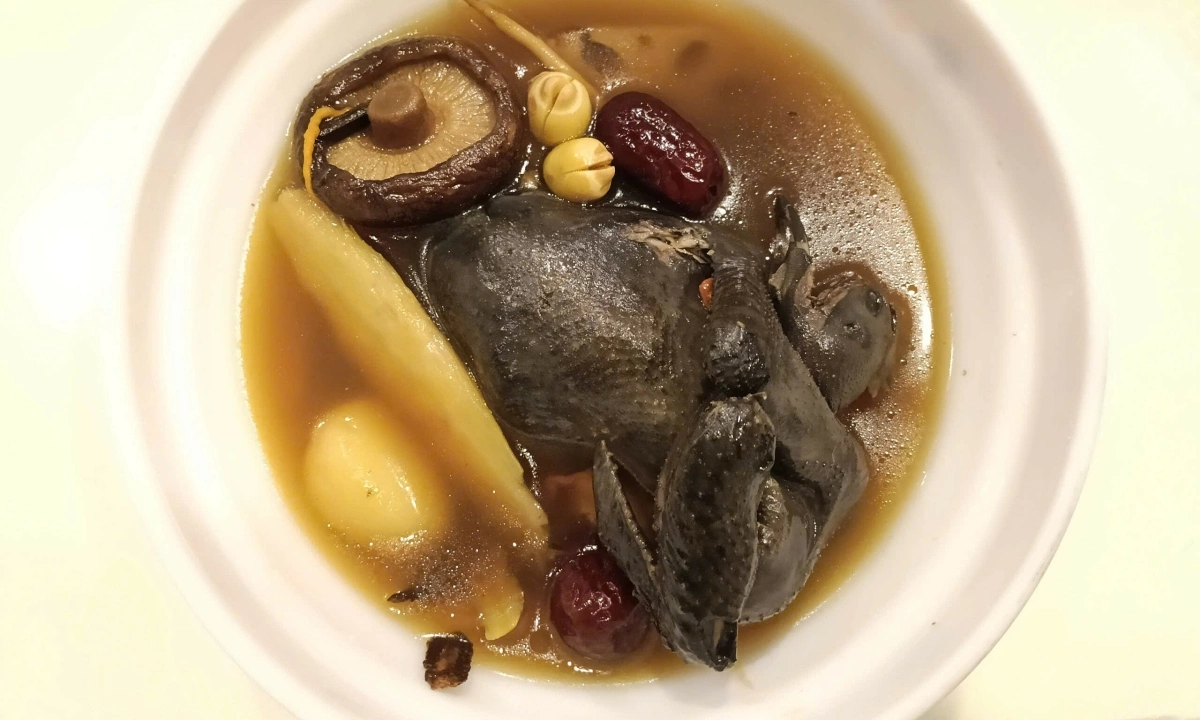
Evil chicken (also known as black chicken, medicinal chicken, five-clawed chicken, lead-legged chicken) according to Oriental medicine has a sweet taste, neutral properties, helps nourish the liver and kidneys, circulate blood, and clear heat. Evil chicken meat contains many essential amino acids such as lysine, methionine, histidine, which support immunity and prevent aging, so it is often used in remedies for women and children.
Lotus seeds are rich in vitamins and antioxidants such as flavonoids, glycosides, phenolics, and alkaloids. Research shows that lotus seeds have the effect of supporting digestion, good for the heart, lowering blood sugar, sedation, anti-aging, increasing immunity and anti-inflammation.
Lotus seed chicken porridge is very nutritious, contributing to increasing resistance and preventing flu during the cold season. Image: Hoang Duong
Lotus seed chicken porridge is rich in nutrients, helps boost immunity, helps people who have just recovered from illness quickly and increases their ability to fight pathogens such as the flu. However, eating too often can cause excess nutrients, indigestion, and fatigue. People with underlying diseases such as high blood pressure, kidney disease, or high fever or acute infection should be cautious when using.
To effectively prevent flu, in addition to nutrition, it is necessary to combine keeping warm, eating a diverse diet, getting enough sleep, exercising properly and getting vaccinated to prevent disease. Currently, Vietnam circulates influenza vaccines to prevent 4 popular virus strains including: A/H3N2, A/H1N1 and 2 influenza B strains. The vaccine can be administered to children 6 months of age and older and adults. Specific vaccination schedule depends on age and vaccination history. Note, flu vaccines need to be re-administered every year to update the latest circulating flu strains, and to strengthen immunity that declines over time.
In addition, everyone should also get vaccinated against respiratory diseases that are easily spread during the cold season such as pneumococcus, RSV respiratory syncytium, measles, whooping cough, chickenpox, meningococcus…