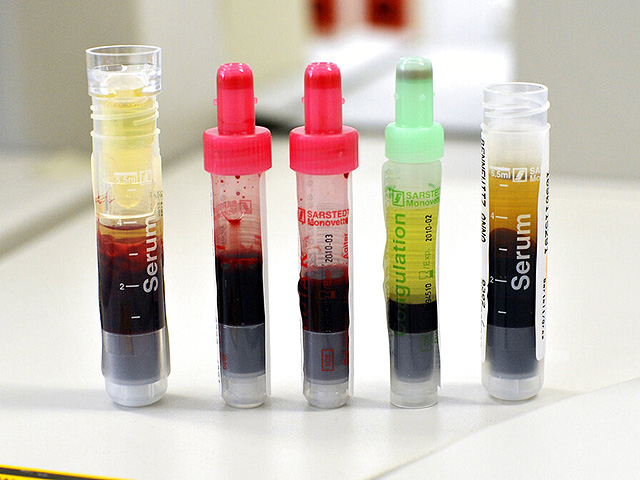
Blood tests that measure the aging of specific types of white blood cells can be a tool for detecting depression, and they primarily reflect emotional and cognitive manifestations, rather than physical ones.
The work, published in The Journals of Gerontology, Series A: Biological Sciences and Medical Sciences, brings researchers closer to creating a reliable biomarker for depression, a disorder that affects nearly one in five adults in the United States. Today, the diagnosis of depression is made mainly on the basis of patient complaints. Blood tests are used only to rule out other diseases because there is no objective laboratory test that confirms depression or detects it early.
The difficulty is that depression manifests itself in different ways: for some, physical symptoms dominate – fatigue, anxiety or changes in appetite, for others – psychological and cognitive ones. These include feelings of hopelessness, difficulty concentrating and anhedonia, which is the loss of the ability to experience pleasure.
According to study author Nicole Perez, depression does not have a universal form, so it is important to consider the diversity of its manifestations, and not be limited to a general diagnosis. The research, she believes, helps reveal the hidden biological mechanisms behind this condition. Depression is especially common in people with immune system diseases, such as HIV. Increased risk is associated with chronic inflammation, social stigma and economic hardship. Women with HIV are particularly vulnerable, and depression can make it difficult for them to adhere to treatment.
To understand the biological basis of the disorder, scientists studied signs of accelerated aging of the body. Biological age, which may not coincide with actual age, is estimated using so-called “epigenetic clocks,” methods that track changes in DNA.
The study included 440 women, including both HIV-positive and HIV-negative women. The level of depression was assessed using a standard questionnaire that takes into account both physical and psychological symptoms. A blood test showed that accelerated aging of monocytes is associated specifically with intangible manifestations of depression, such as feelings of hopelessness, a sense of failure and loss of interest in life. However, a more general indicator of the aging of various cells did not demonstrate such a connection.
The scientists emphasize that the results require further confirmation before they can be applied in clinical practice. However, the work opens up the prospect of earlier and more accurate diagnosis of depression using biological tests. In the future, this could lead to more personalized treatment, allowing therapy to be selected that is most likely to be effective for a particular patient.