Ebola vaccine Bundibugyo, developed by the Oxford University team in 8 weeks, in response to the current outbreak in Congo.
The new vaccine will be tested on humans in the next few weeks, after being licensed by the MHRA. This is the first of four Bundibugyo Ebola vaccine candidates to enter clinical trials. Oxford University is recruiting healthy volunteers in the UK to receive the first doses.
According to Dr. Katrina Pollock, the trial plans to recruit 50 people 18-55 years old, and is preparing to expand to Uganda. Volunteers were followed for a year, but the team could soon assess immune response and side effects.
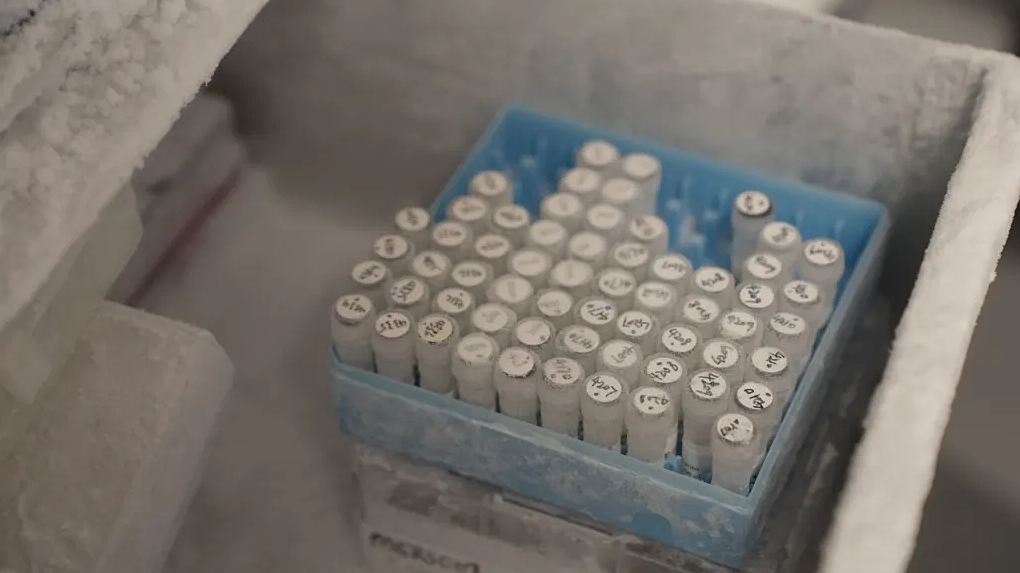
Experimental Ebola vaccine samples, stored frozen in a laboratory at Oxford University. Image: BBC
The vaccine was developed quickly thanks to the platform used for Oxford/AstraZeneca, using a chimpanzee cold virus that has been edited to not cause disease, playing the role of transporting the genetic code of Ebola Bundibugyo into the body. The vaccine does not cause Ebola infection but helps the body create viral proteins to activate immunity. The research team affirmed that they did not shorten the safety steps, only implementing many stages in parallel.
The candidate has been tested on mice and macaque monkeys, and is produced by the Serum Institute of India according to clinical standards with 620,000 reserved doses. Based on preclinical data, the MHRA authorized human trials.
The Oxford/AstraZeneca vaccine platform has been widely used but has a rare risk of blood clots (up to 1/100,000 people). The new Ebola vaccine may carry a similar risk, but is considered much lower than the danger of Ebola Bundibugyo. All risks will be clearly communicated to volunteers.
In addition to Oxford, there are three other candidates in development, including Moderna’s mRNA vaccine and two vaccines from IAVI and Public Health Vaccines, based on technology that was effective against another Ebola species but produced more slowly.
Slots Bizzo Casino | Máquinas de slots únicas
Suporte Bizzo Casino | Atendimento Rápido
Levantamento Bizzo Casino: Como Funciona
Bidluck Casino: Jogar Online em Portugal
APK Bidluck Download: Bidluck Android APK Fácil!
App Bidluck: Download e Jogue no Seu Telemóvel
Bónus de boas‑vindas Bidluck 🎰 Rodadas grátis!
Casino Bidluck: Descubra Slots Incríveis
Depósito Bidluck – Depósito Mínimo Bidluck Fácil
Download Bidluck: Instalar e Baixar Agora
FAQ Bidluck: Perguntas Respostas Bidluck
Legalidade Bidluck Portugal: Licença Bidluck
Login Bidluck: Entrar no Casino | Acesso Rápido
Mirror Bidluck: Link alternativo Bidluck
Versão mobile Bidluck – Bidluck no telemóvel
Métodos de Pagamento Bidluck Casino Seguros
Problemas técnicos Bidluck e Erro de login Bidluck
Código de bónus Bidluck | Promo code Bidluck
Revisão Bidluck Casino: Avaliação Completa
Máquinas de Slots Bidluck | Slots Bidluck
Suporte Bidluck: Atendimento Rápido e Eficaz
Levantamento Bidluck: Tempo de Levantamento
1Red Casino Oficial Portugal – Jogar Online
APK 1Red Download – 1Red Android APK
App 1Red: Jogue em Qualquer Lugar!