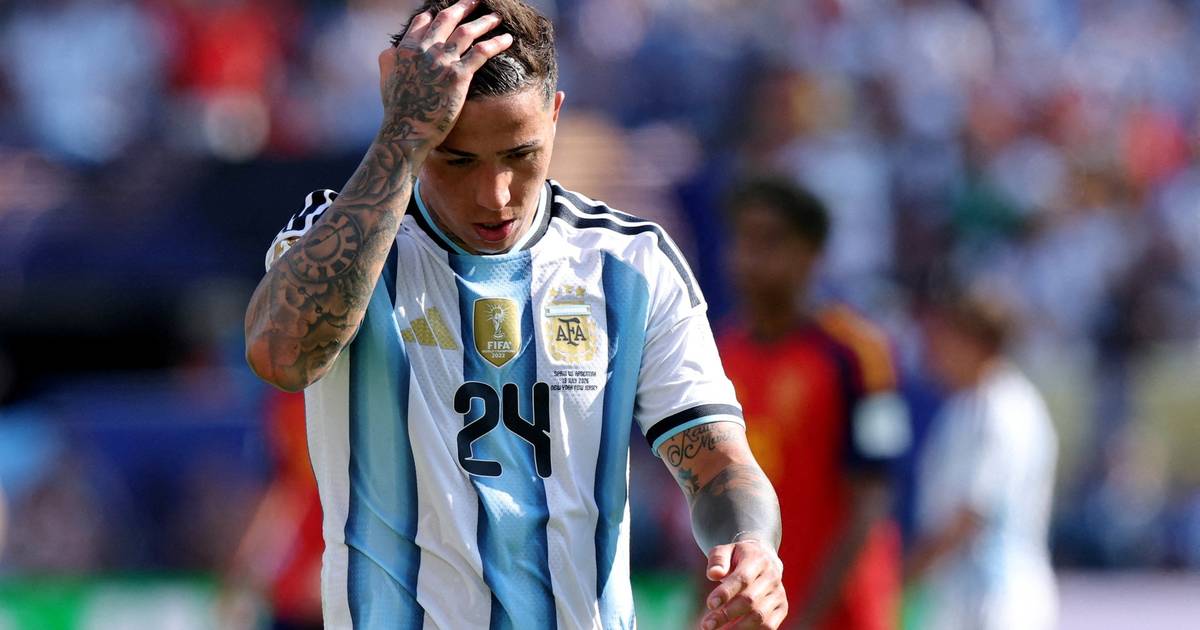
While the cameras are on World Cup were focused on ball skills, goals and dramatic moments, the canvases on which the world’s best soccer players write their life stories also attracted great attention. Tattoos have long ceased to be just a decoration and have become an integral part of the visual identity of sports, transforming the bodies of players into a walking gallery that reveals their beliefs, loves and deepest fears. Every line, symbol or quote in the story offers a rare insight into the humanity of athletes who are often perceived by the public as untouchable heroes.
A personal footprint in a controlled world
For professional athletes, whose lives and bodies are determined by strict contracts and sponsorship obligations, tattoos represent one of the few remaining areas of personal freedom. While their contracts determine what they can do on vacation, which brands to promote and how to behave in public, the skin remains their inviolable property. Sociologists Sam Belkin i Dale Sheptak claim that tattoos serve as a form of “non-verbal communication” and allow players to express their humanity in an environment that often reduces them to possessions or demands that they meet unrealistic expectations. This is how they show the world what is really important and sacred to them.
Research Argentine national teamwhich won World Cup u Every 2022. year, revealed the depth of those personal stories. An analysis of hundreds of photos showed that 20 out of 26 players have a total of 226 tattoos, which can mostly be classified into three key categories: faith, love and career. It is interesting that about 60 percent of tattoos are on easily visible places such as the hands and head, and they consciously share their stories with millions of viewers.
Faith, love and career written in ink
Religious motifs dominate the bodies of many games, especially those from Latin America. Research by Argentine youth showed that 75 percent of tattooed players carry symbols associated with Catholicism, such as Djevice Maria, Jesus or saints. But there is also spiritual diversity. Tetovaže It will bedream catchers or simply words like “energía” testified to a wider range of beliefs. Religious symbols are most often found on the shoulders, biceps or legs as permanent reminders of the power that guides them.
Love for family is another big topic. As many as 80 percent of players have tattoos dedicated to their loved ones. The most common word is about children’s dates of birth, names of partners, portraits of parents, and even pets. Spanish defendsč Sergio Ramosfor example, has tattooed numbers on his fingers that marked his life, while Lionel Messi dedicated his first aunt to his mother.
Career, as the third pillar of their lives, is also immortalized. Three quarters of the games bear symbols of their professional successes. Tattoos of won trophies, like those that adorn the calves of Ramos, or jersey numbers are often found on the player’s dominant leg, the tool of their trade. ČIlean Mauricio Pinilla he went a step further and tattooed the failure against Brazil on his back with the inscription “One centimeter from glory”, as an eternal reminder of the painful defeat, but also of how close he was to the peak. Such stories show the depth of emotions that players put into their careers.
From Croatian motifs to global icons
The trend of tattoos is deeply rooted among Croatian national team players. Mario Mandžukić he turned his left hand into a career chronicle with the motifs of crž, balls and aces. Marcelo Brozović became recognizable by his tattoos and bombs on his neck, while Ivan Perišić on the leaf is a chicken with a ball, a cute tribute to the family business and a childhood nickname.
ARCHIVE – 2021. Mario Mandžukić announced the end of his career |
On the other side, there are games like Christian Ronaldowho doesn’t have any aunts. The reason is of a humanitarian nature. Ronaldo regularly donates blood, and getting a tattoo would require a temporary break from donating. Geographically, tattoos are most common among players from Latin America and Europe, while they are much more common among African and Asian soccer players. China has even banned tattooed players from playing for the national team, they believe that athletes must be role models for society.
Even though they are political messages, such as he used to wear Diego Maradona with characters That Guevare i faithful camptoday a rarity, the bodies of football players remain a powerful platform for expression. In a world where the public follows their every move, tattoos are silent but powerful statements of identity and reminders of who they were, what they achieved and what they hope for.