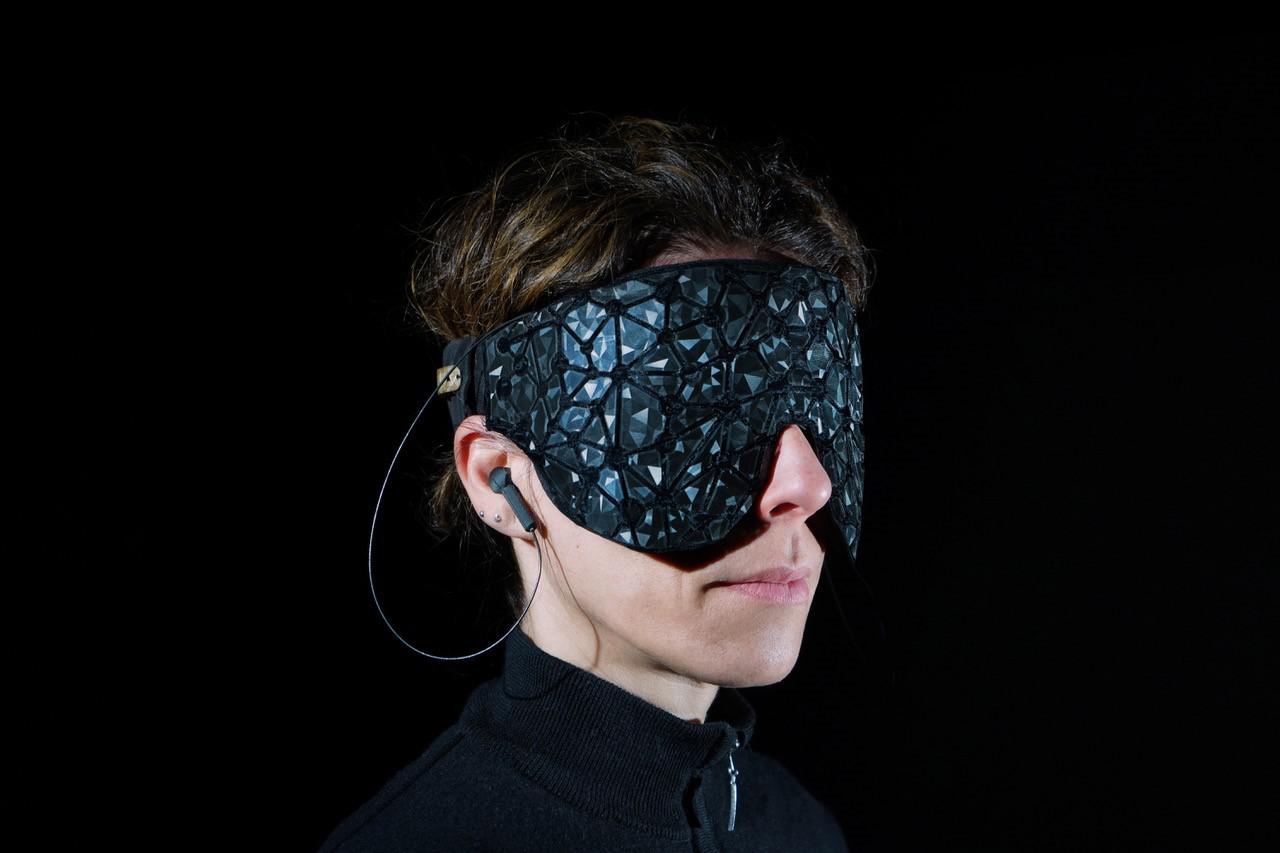
The study of sleep physiology in extreme environments represents one of the main challenges for the safety of long-duration space missions. One of these studies gave rise to the development of an intelligent device capable of detecting complex biological signals through a non-invasive interface. The project, coordinated by the Italian Institute of Technology (IIT) and financed by the Italian Space Agency (ASI), led to the creation of a mask equipped with piezoelectric sensors and artificial intelligence algorithms for the autonomous analysis of sleep phases. The technology integrates sensors of temperature, movement and electrodes for brain activity, allowing you to monitor breathing and heart rate without resorting to cumbersome traditional clinical procedures.
The system is designed to operate on board the International Space Station (ISS), where the absence of the natural circadian cycle and microgravity profoundly alter astronauts’ rest. Through the use of computational models, the device is able to automatically distinguish between wakefulness, deep sleep and REM sleep, providing an immediate diagnostic picture. “Today the health of astronauts represents an absolute priority, especially in view of the future long-duration missions of the Moon to Mars program“, said Amy Amata Soriano, ASI Project Manager, “the initiative is a “concrete example of synergy between the Agency and Italian research institutes such as the IIT“.
The architecture of the device is based on an interdisciplinary convergence between nanotechnologies and sensors. Massimo De Vittorio, Head of the Smart Healthcare Technologies laboratory at the IIT of Lecce, clarifies: “the value of the project lies in the technological and systemic approach that makes it possible, with the aim of building platforms capable of acquiring and interpreting complex biological signals in a continuous and reliable way“. In addition to in-orbit applications, the technology offers concrete prospects for terrestrial telemedicine, allowing the remote monitoring of sleep disorders and the prevention of related pathologies through high-precision diagnostic instruments and minimal space for the patient.