At the request of the US government, OpenAI said it will postpone widespread deployment of the new model GPT-5.6, only allowing access to a small group of partners.
In a blog post on June 26, OpenAI said that the limited release is a temporary step while the company works with Washington to build a broader framework for future launches. The maker of ChatGPT also presented the model’s plans and capabilities to the government before its release.
“We are taking this short-term step because we believe this is the best path forward to deploy the model more widely in the coming weeks,” OpenAI announced.
The company will continue rigorous testing and work closely with partners as it prepares for a large-scale release, but believes that the current level of government outreach and oversight should not become the norm forever. The identities of the partners are not disclosed.
OpenAI is also concerned that the new process will limit access to advanced AI tools for many user groups including programmers, businesses, cybersecurity experts, and international partners – who can benefit from them.
On social network
Theo Reutersthe incident underscores growing concerns in Washington about the national security risks that powerful AI systems could pose. Policymakers are pressing companies to put controls and protections around them. By accessing advanced models early, US officials want to identify threats before they are widely deployed.
Earlier this month, US President Donald Trump signed an executive order, establishing a voluntary mechanism for AI developers to provide advanced models to the government for up to 30 days before releasing them to trusted partners.
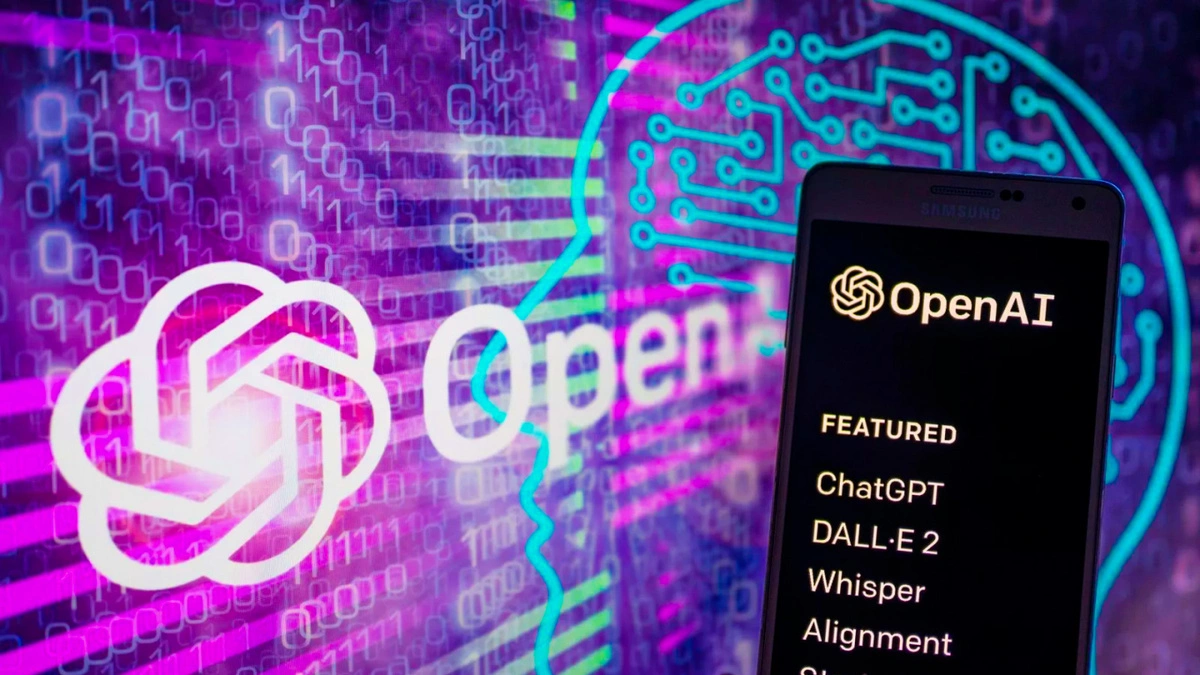
OpenAI logo and some of the company’s products displayed on a smartphone. Image: Reuters
Theo Tech Crunchthe new GPT-5.6 model includes three versions: Sol, Terra and Luna, all of which are limited by the Trump administration. Sol is the flagship product, introduced as the company’s most powerful AI to date with significantly increased agent capabilities in programming, biology, and cybersecurity. Sol costs 5 USD per million input tokens and 30 USD per million output tokens. Terra, the more balanced version and suitable for everyday use, is half the price. Luna is fast and low cost, the price per million input and output tokens is one and 6 USD respectively.
OpenAI announced it has increased command caching for GPT-5.6, making repetitive commands cheaper and more predictable. The company said the GPT-5.6 Sol performed excellently in many reviews, even outperforming Anthropic’s Mythos 5 on some programming tasks, a model also requested for limited release by the Trump administration.
This month, both OpenAI and Anthropic announced they had filed for initial public offerings (IPOs) in the US. However, New York Times On June 25, it was reported that OpenAI is considering postponing its IPO until next year.