Poison may teem with life.
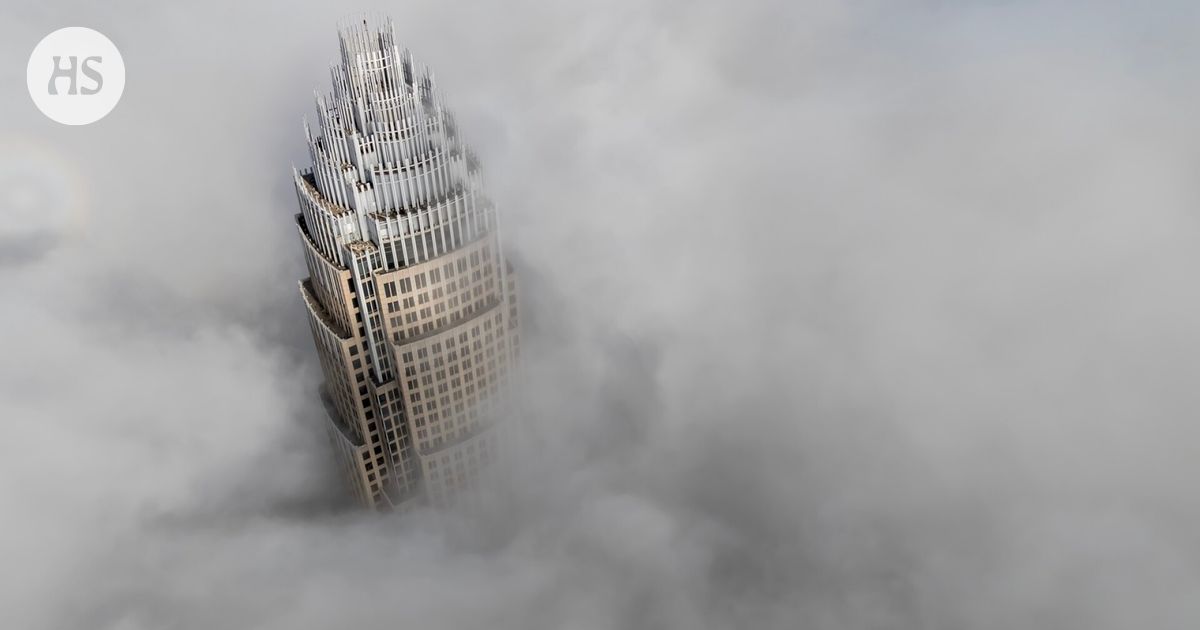
The tiny water droplets of the fog that develops above the earth’s surface can act as a growth environment for certain bacteria, US researchers say mBioin the journal.
Asia survived the fogs that formed in the still and moist air of the river valley in Pennsylvania as it cooled at night.
Because the fog remained fairly stationary under those conditions, the researchers were able to collect samples of both the droplets and the dry air between them.
Various bacteria were floating around even in the dry air along with dust and other particles.
However, there were much more of them in the fog drops – about the same amount per liter of water as in the sea or a lake with rich nutrients.
Particularly roared Methylobacterium-genus bacteria, which, in addition to the fog water, were activated and grew.
Methylobacteria ate gaseous carbon compounds that had dissolved from the air into the water.
At the same time, they cleaned the air, as they efficiently decomposed formaldehyde, which is a common air pollutant. It is poison for both us and them.
Apparently, the bacteria primarily wanted to get rid of formaldehyde, because they were found to break it down so vigorously that they did not have time to use almost all of the end results for food.
Poison is of course a very temporary habitat. When it evaporates or settles, the vigorous Methylobacteria can sink into the soil and plant leaves.
They are known to hang out there, and that’s probably where they first took to the air, the researchers think.
Published in Science in Nature 7/2026