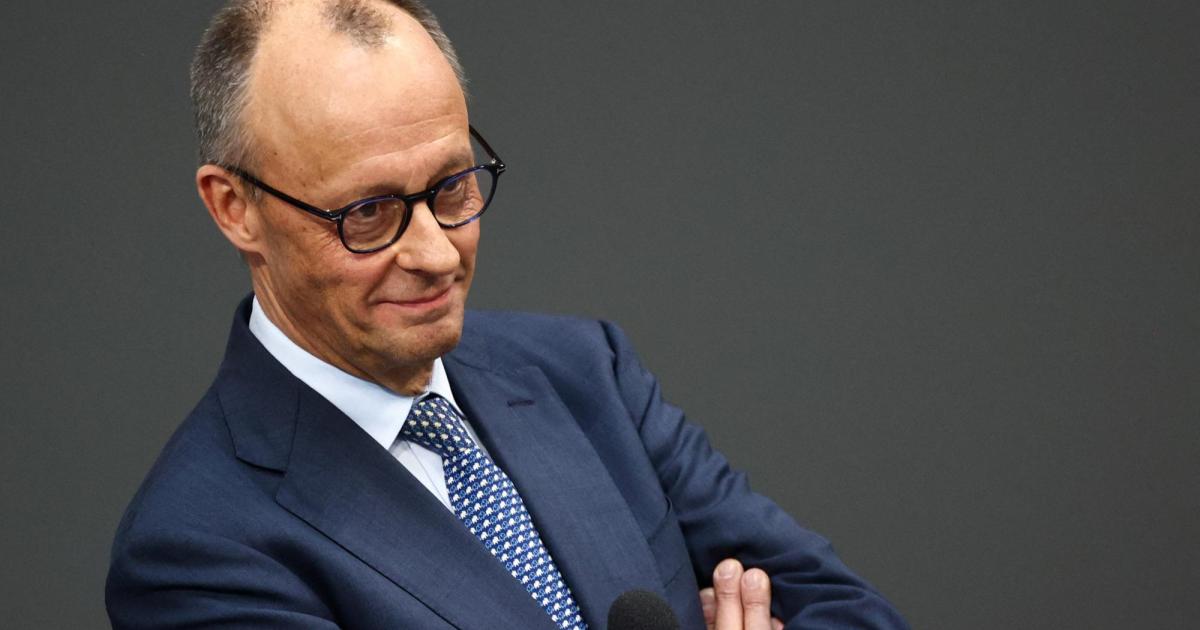
Chancellor Friedrich Merz (CDU) questions the timetable for the coal phase-out in Germany. “We may have to keep running coal-fired power plants online for longer,” said Merz on Friday at the “FAZ Congress 2026”. However, a return to nuclear power is not an option in the near future.
“I am not prepared to put the core of our energy supply at risk just because we decided on phase-out dates years ago,” said the Chancellor at the event Frankfurter Allgemeine Zeitung. It is important to “turn energy policy from its head to its feet”.
Expansion of renewable energy
Merz also committed to further expanding renewable energies, but they would have to be supplemented by new base-load gas power plants. These should be built at existing power plant locations in the short term and “we will not make them hydrogen-capable immediately.”
In the long term, Merz has high hopes for the construction of nuclear fusion reactors in Germany. He could also imagine that Germany would participate in research for small modular nuclear reactors.
The Iran war is currently showing how important energy policy is in Europe. According to economists, this has caused German consumer prices to rise faster than they have in three and a half years. Goods and services are likely to rise in price by an average of 1.1 percent in March compared to the previous month, predict economists surveyed by the Reuters news agency. That would be the largest monthly increase since September 2022, when many raw materials became more expensive after the Russian invasion of Ukraine.
“The sharp rise in oil and gas prices is likely to have caused this,” said analysts at Landesbank Helaba on Friday. Compared to the same month last year, consumer prices are likely to rise by 2.6 percent, economists predict. That would be the highest inflation rate since December 2024.