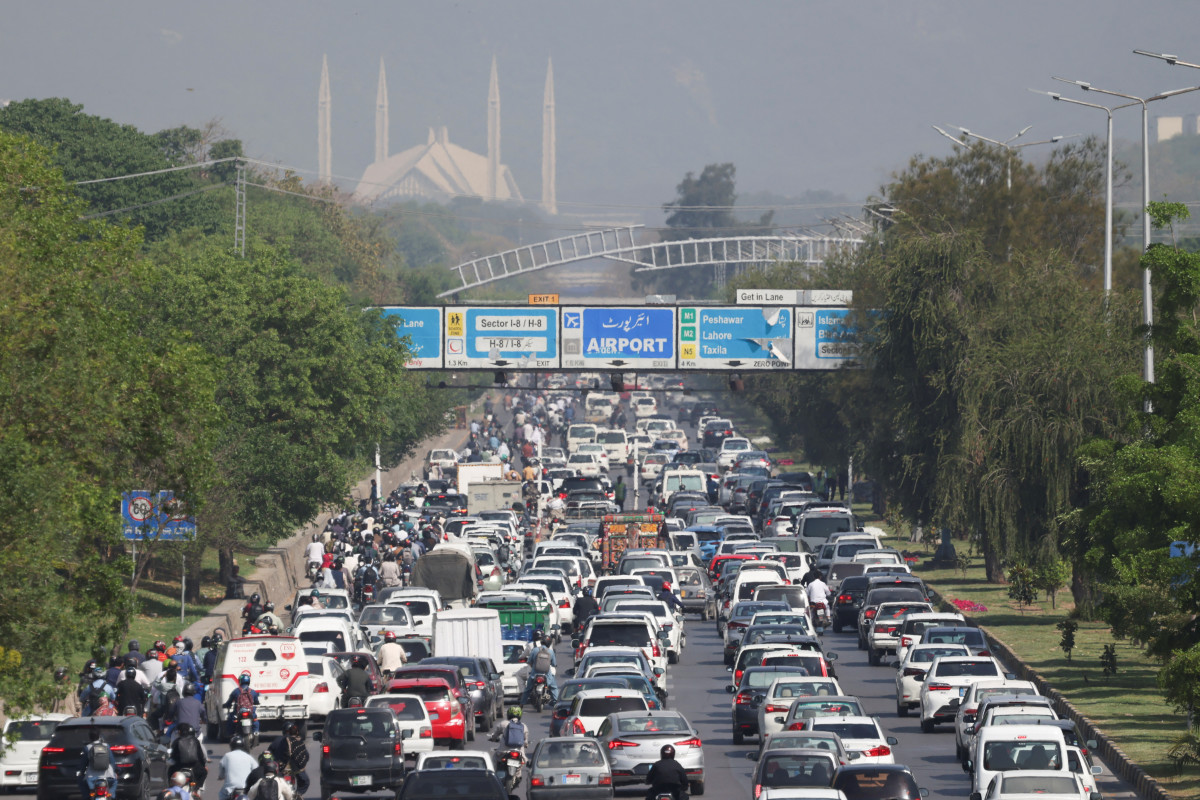
For the residents, the uncertainty has become unbearable. Islamabad is a bustling city of temporary workers, many of whom return to their families outside the city on weekends, but their routines have been completely disrupted. A manager at the central bus station said that the station has been closed for almost a week, preventing more than 1,000 passengers from reaching their destination every day.
At the same time, in the lobby of the luxury hotels in the city, journalists who have come from around the world to cover the peace summit are waiting in a state of continuous limbo. Although the camera crews are ready to go, after a week of nerve-racking waiting there is almost nothing to report. “We really don’t know where we are headed,” an Al Jazeera reporter who came especially from Washington told Reuters.
The disruptions also severely affected the food supply. Local traders report trucks with fresh agricultural goods being delayed for days outside the closed compound and the produce rotting. A waiter in one of the local cafes summed up the absurd situation in a striking sentence, referring to the Strait of Hormuz, one of the main points of contention in the negotiations: “When Islamabad opens, Hormuz closes. When Hormuz opens, Islamabad closes.” As of the weekend, both remained blocked.