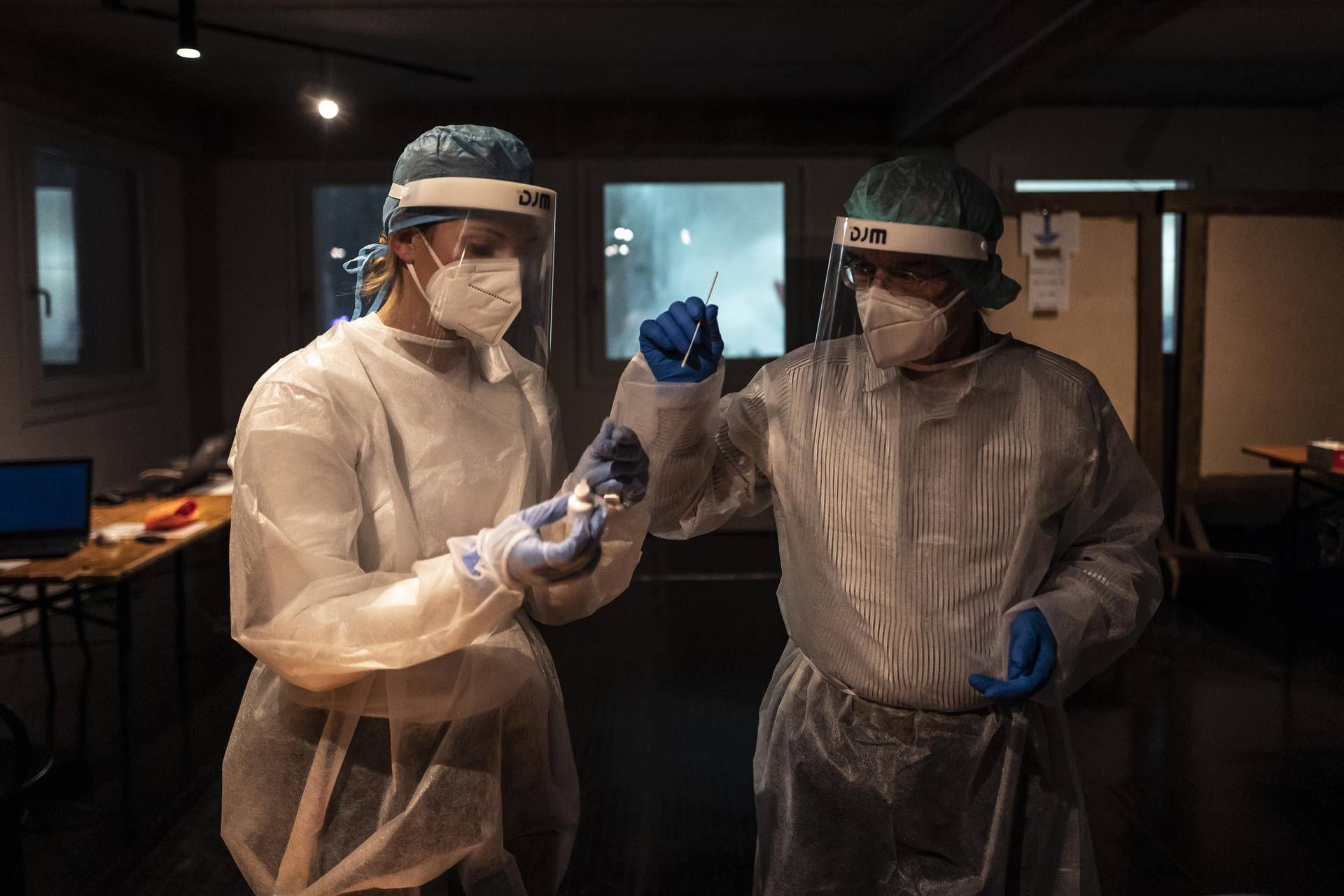
An epidemic of a new bacterium spreads across the world: it is the (imaginary) scenario with which the World Health Organization has tested the preparedness of countries in responding to pandemics and other serious health emergencies. It is called Polaris II, it is a high-level simulation exercise lasting 2 days and involved 26 states and territories, 600 health emergency experts and over 25 partners of the UN agency. The test covered every step of the response to a hypothetical threat, up to the activation of emergency workforce structures, and the flow of information and coordination between each global actor and WHO. It is not the first time that these global tests have been carried out. Already in April last year, Polaris I was organized, which in that case focused on an imaginary virus. Each participating country activated its coordination structure and worked in real-life conditions to share information, align policies and increase its workforce.
“Exercise Polaris II showed what is possible when we act together. It demonstrated that global cooperation is not optional, it is essential,” commented WHO Director General Tedros Adhanom Ghebreyesus. “This is the purpose of the Global Health Emergency Corps: coordination among the emergency workforce, building trust, strengthening connections and working as one across borders.”
The simulation put two key WHO frameworks into practice: the Global Health Emergency Corps framework that provides information on how to strengthen the health workforce while respecting the principles of sovereignty, equity and solidarity and improves collaboration between countries by supporting the exchange of information and strengthening the deployment of emergency personnel regionally and globally when necessary; and the National Health Emergency Alert and Response Framework. The use of AI-enabled tools to support workforce organization and planning was then explored.
“By simulating the spread of a dangerous pathogen under real-life conditions, Exercise Polaris II helped us turn existing plans into action. It’s not enough to have plans on paper, what matters is how they perform in practice“, highlighted Edenilo Baltazar Barreira Filho, director of the Public Health Emergency Department, Ministry of Health, Brazil.
The simulation also provided the opportunity to practice the coordinated provision of technical expertise and support to countries by more than 25 national, regional and global health agencies and organizations, including the Africa Centers for Disease Control and Prevention, the International Federation of Red Cross and Red Crescent Societies, Doctors Without Borders, the Robert Koch Institute, UK-Med, Unicef and emergency networks such as the Global Outbreak Alert and Response Network, the Emergency Medical Teams initiative, Standby Partners and the International Association of National Public Institutes.
“Exercise Polaris II”, part of HorizonX (WHO’s multi-year simulation exercise programme), “showed what happens when countries are prepared and ready to act together”, highlighted Chikwe Ihekweazu, executive director of the WHO health emergencies programme. The second edition of the simulation saw the participation of a greater number of countries and involved collaboration through new networks such as the recent Health Emergency Leaders Network for Africa and the Eastern Mediterranean.