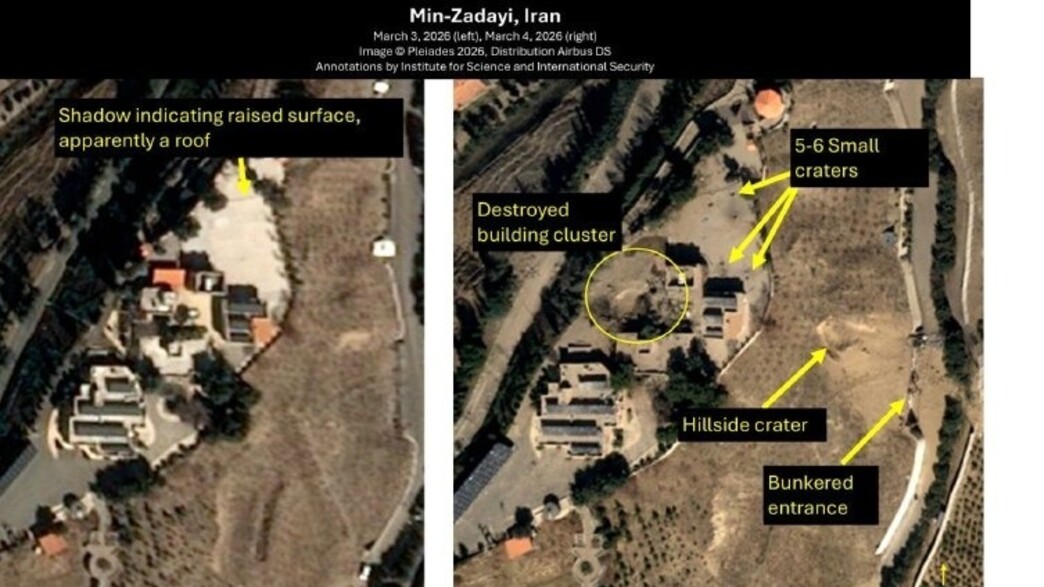
A report by nuclear expert David Albright and the ISIS Research Institute was published today (Friday), analyzing the results of Israeli attacks on Iran’s nuclear program. The report states that Iran’s ability to produce nuclear weapons has been significantly damaged, while Israel focuses on the “nuclear weaponization” process.
The extent of the damage to the sites
- ISIS has identified at least 6 nuclear sites that were definitely attacked, and 3 additional sites that may be related to the program. In total, between 9 and 12 sites involved in the development and construction of nuclear weapons were attacked in both phases of the fighting.
- Five sites directly related to nuclear weapons were attacked in June 2025. According to the report, most of the sites mentioned (between 4 and 7) were related to the production of the weapons themselves.
The damage to the weapons capabilities
- According to the report, the strikes significantly extended the time needed for Iran to complete a nuclear weapon and increased the chance of failure if it attempted to do so. Today, the probability of technical success is significantly lower than before.
- Before the June 2025 war, Iran could build a non-missile-launchable nuclear weapon in less than six months with almost absolute probability. Now, even in a year or two, the chances of success are technically low.
The gap with the intelligence reports
- The findings of the report contradict a report published by the Reuters news agency, according to which the American intelligence community believes that the second stage did not delay Iran’s timetables. ISIS claims that the American report is inconsistent with the visible damage to the facilities.
- The new Iranian regime is seen as highly motivated to produce weapons, but the means at its disposal and its confidence in the ability to execute have been severely compromised. The risk of failure may deter Iran from making a decision to break through.