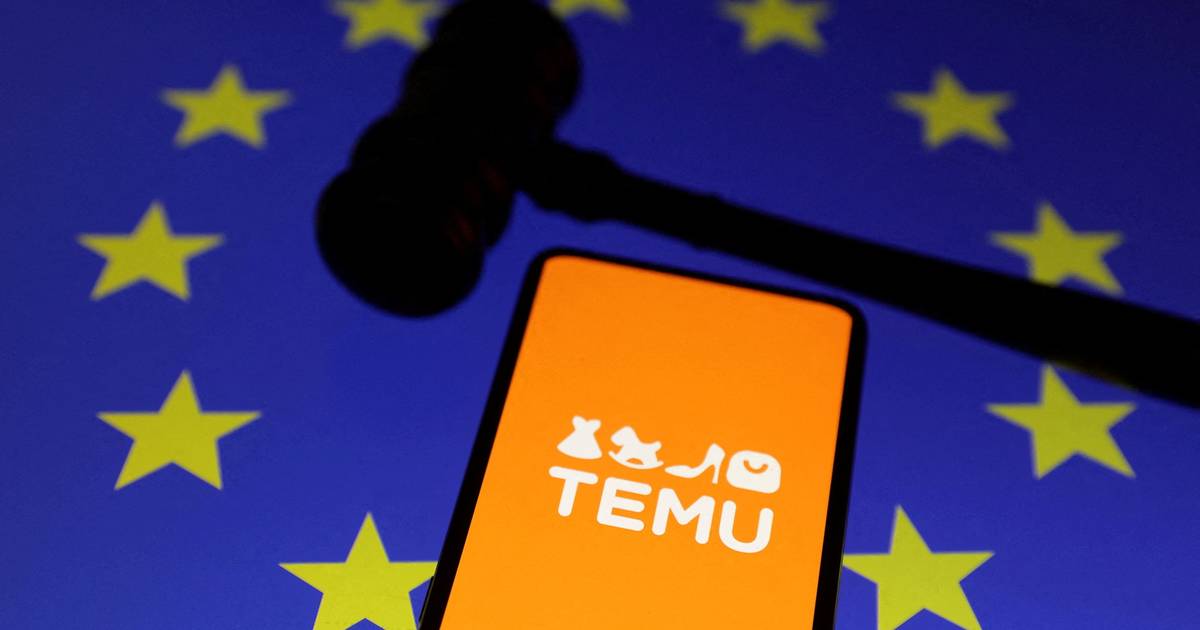
Buying cheaper products from online stores outside the European Union will soon become more expensive. Namely, the EU member states agreed on the introduction of new customs rules to put an end to the current practice, according to which small shipments worth up to 150 euros entered the European market without paying customs duties. The new model is part of a broader reform of the European customs system, and its goal is to equalize the business conditions between European retailers and large online platforms from third countries, which in recent years have recorded strong sales growth within the Union.
According to the agreement of the Council of the European Union, from July 1, 2026, a temporary fee of three euros will be applied to small shipments that are delivered directly to customers in the EU. The fee will be calculated for each separate product category included in the package.
This means that buyers will pay more fees for shipments containing different types of goods. For example, if the package contains silk and woolen clothes, which belong to different tariff groups, the total cost of customs duty could amount to six euros.
The measure will remain in force at least until the middle of 2028, that is, until the establishment of a new European customs information center that should enable the full application of the reformed customs system. After that, the temporary model will be replaced by regular customs rules for all goods entering the territory of the European Union.
The European Commission points out that the number of small shipments has been growing explosively in recent years. In 2024 alone, as many as 4.6 billion low-value packages arrived in the member states, and more than 90 percent of them were sent from China.
In Brussels, they believe that the current system is no longer sustainable because it creates an unequal position for domestic traders and reduces customs revenues. The new model should provide additional revenues to both the European budget and the member states participating in the collection of fees.
The reform of the customs system is still the subject of negotiations between the European Parliament and the member states, but European institutions say that modernization is necessary due to the rapid growth of online trade, increasingly complex trade flows and new geopolitical challenges.
https://serendipitylabs.com/us/markets/coworking-space-huntington-beach/
https://hedgedoc.ggu.cz/s/RXH1tWJfE9
https://pad.lamyne.org/s/hP4Jad1rM
https://pad.pixie.town/s/iavMNvopGw
https://notes.eummena.org/s/TSPlCk4g8
https://knowhow.brainbot.com/s/WKgeSQmu_
https://hackmd.k15.synology.me/s/ou8hqQzh5
https://elixir-hedgedoc.rahtiapp.fi/s/aZ18i_Jbh
https://doc.asknet.community/s/ThetEo6Wi
https://docs.kliemax.com/s/0NEycpJhgT
https://hackmd.k15.synology.me/s/aJvs0i66F
https://hack.utopia-lab.org/s/uHzGsRsVQ
https://pad.dominick-leppich.de/s/5ZgyjfQQg
https://hedgedoc.ucc.asn.au/s/iqEBzzKNf
https://pad.bhh.sh/s/48nC78lcs
https://docs.lagonette.org/s/afVD3ku9O
https://op.pai.wtf/s/ZiY12dbuVd
https://pad.bhh.sh/s/04_E2v6-q
https://hackmd.k15.synology.me/s/TEfbzJadL
https://codi.sevenvm.de/s/-Wm5dSKfn
https://mds.oplist.org.cn/s/bmjrFCHXh
https://docs.lagemme.org/s/iYcZGnUDg
https://notes.eummena.org/s/cBNBLpVNe
https://hedgedoc.musikinformatik.net/s/eIXYQLBCi
https://doc.muensterhack.de/s/D814EYT5Jr