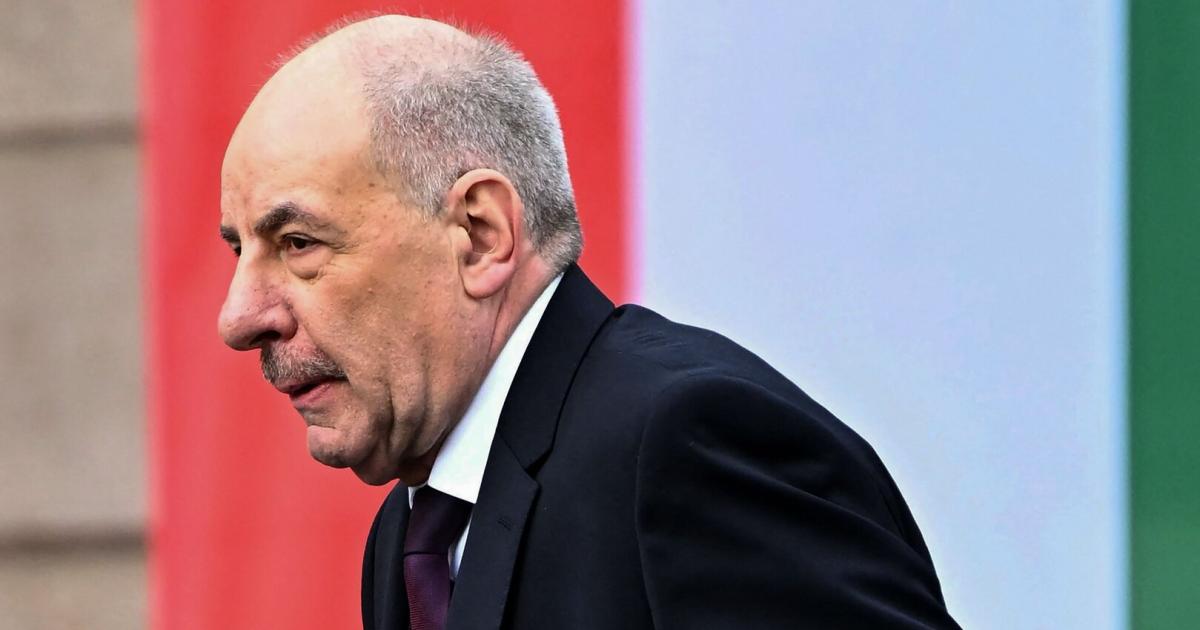
The Parliament of Hungary has passed an amendment to the constitution, which, among other things, Deposition of President Tamas Sulyok provides. The new Prime Minister Peter Hungarian accused Sulyok of the policies of the former head of government, who was voted out in April Viktor Orban to have contributed. 139 parliamentarians voted for the changes, creating the necessary two-thirds majority. Six abstained. The faction of Orban’s Fidesz party stayed away from the vote.
Will Sulyok be deposed?
In order for the new regulations to come into force, Sulyok must countersign them. If he refused, Magyar threatened him with one Impeachment proceedings. This would have to be applied for by Parliament with a two-thirds majority and approved by the Constitutional Court.
In the event of a vacancy in the position of President of the Republic, she would become President of Parliament Agnes Forsthoffer temporarily take over his powers until there is a successor. In Hungary, the head of state is elected by parliament for five years.
Term of office of constitutional judges further restricted
The constitutional amendment also stipulates that the offices of constitutional judges end automatically when they reach the age of 70. This currently affects four of the 15 constitutional judges, including chairman Peter Polt, who is considered an Orban loyalist.
The constitutional changes also include limiting the term of office of MPs to twelve years. The regulation will come into force from the next general election in 2030. She would about Ban Orbanto run for parliament again. He has been a member of parliament continuously from 1990 until now. However, he did not take up the mandate that he won as the top candidate of his Fidesz party in the election in April of this year.
Limits for prime ministerial mandates
In mid-June, Magyar’s bourgeois Tisza party, with its two-thirds majority in parliament, passed a constitutional amendment that limits the prime minister’s term of office to eight years. It prevents Orban from becoming head of government again. He ruled from 1998 to 2002 and from 2010 until he was voted out. Magyar can therefore only be re-elected once at most.
Magyar is also planning to develop one with his Tisza party completely new constitutionwhich is intended to replace the “Basic Law” introduced by Orban. He accused Orban of tailoring this piece of legislation entirely to his party’s needs for power.
Unlocking the Potential of Peptides in Bali's Wellness Scene
Discovering the Rise of Peptides in Bali's Wellness Scene
Team App | News | Tracey Massey | News | Bali Peptides: Exploring a Rising Trend in Health and Wellness
Peptides in Bali: A Growing Trend in Wellness and Healing
The Rising Popularity of Peptides in Bali's Wellness Scene — AnnaBarnes
Unlocking the Potential of Bali Peptides in Modern Wellness
116883729827240126
Peptides in Bali for Fat Loss Wellness Support
Bali Peptides for Performance Recovery and Longevity
Parker Maribe (@[email protected])
Peptides Bali for Health Conscious Island Residents : tuhin : Free Download, Borrow, and Streaming : Internet Archive
VitalPath Health (@vitalpathhealth) on X
Myspace
Bali Peptides for Fat Loss and Performance Goals
Bali Peptides for Longevity and Body Optimisation
Why Peptide Wellness Is Growing Across Bali Today
Penzu
Post by @freshstarthealth · 1 link
tranquilwellnessway
Peptide Wellness in Bali for Healthy Aging — ThriveHealthCare
EverGreenHealth on GETTR: How Peptides Bali Fit Modern Wellness Lifestyles…
1741109
Bali Peptides for Wellness Focused Expats and Travellers
Peptide Wellness Options for Recovery and Healthy Aging — PeakWellnessMode
Peptides Bali for Fat Loss and Lifestyle Balance